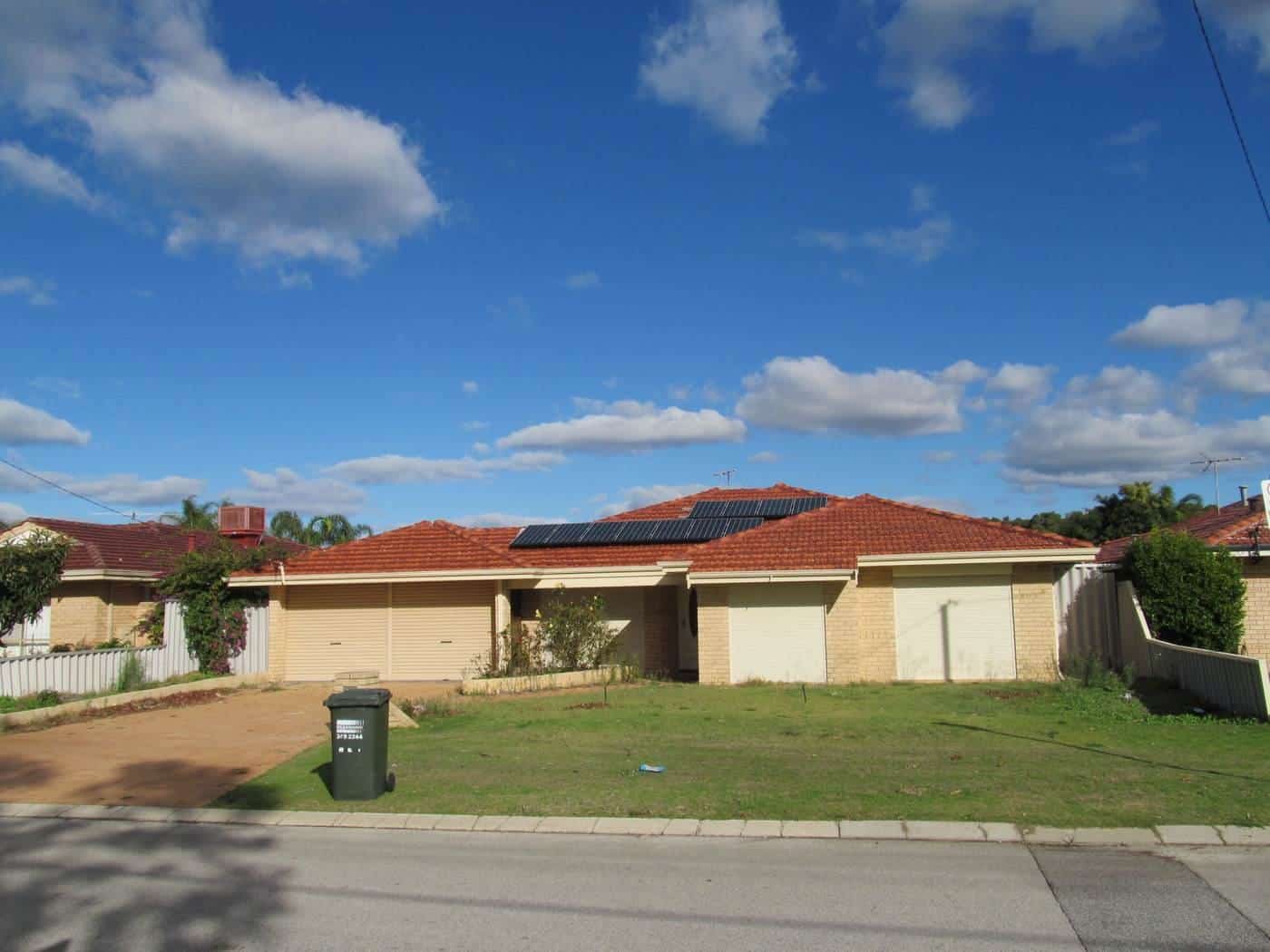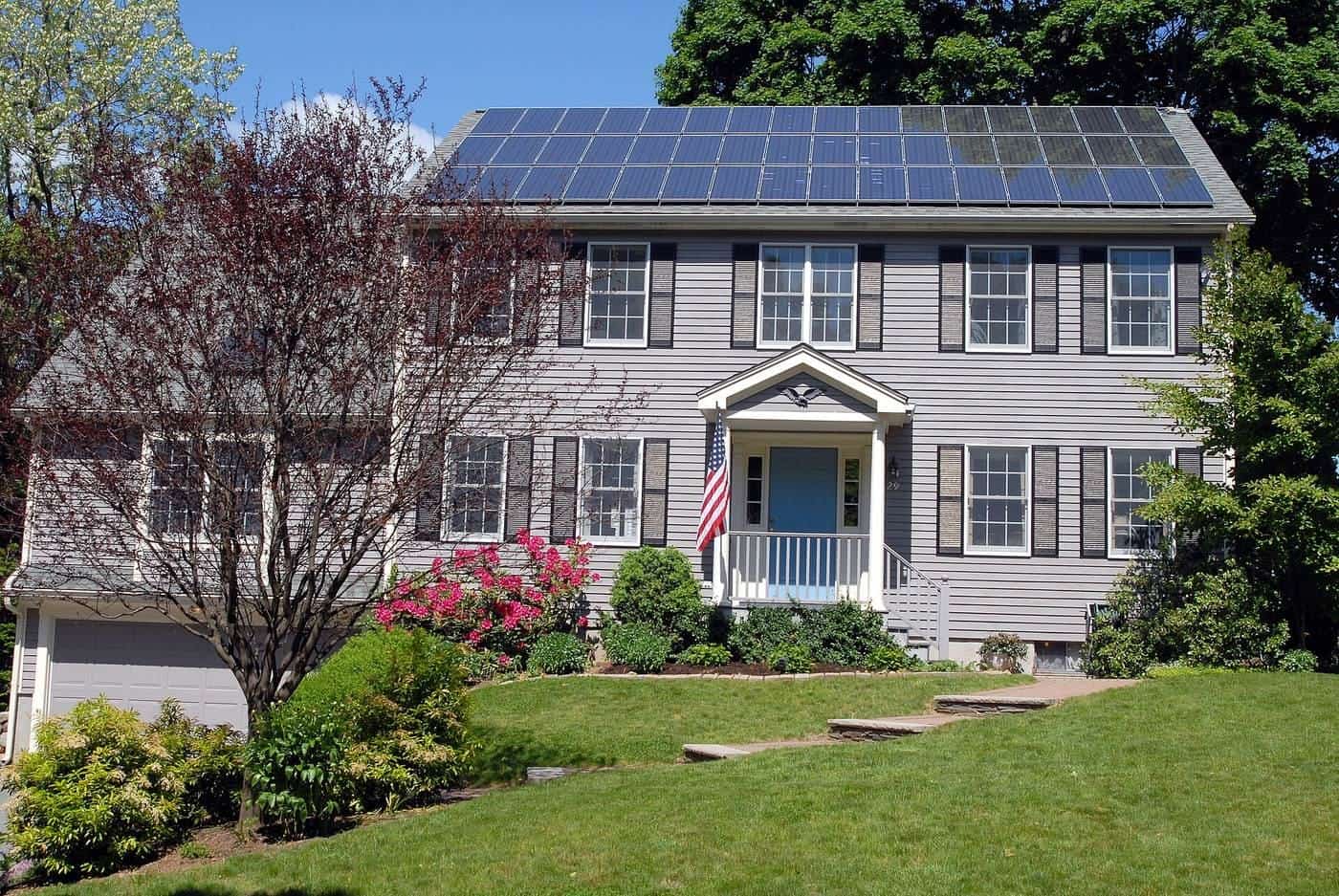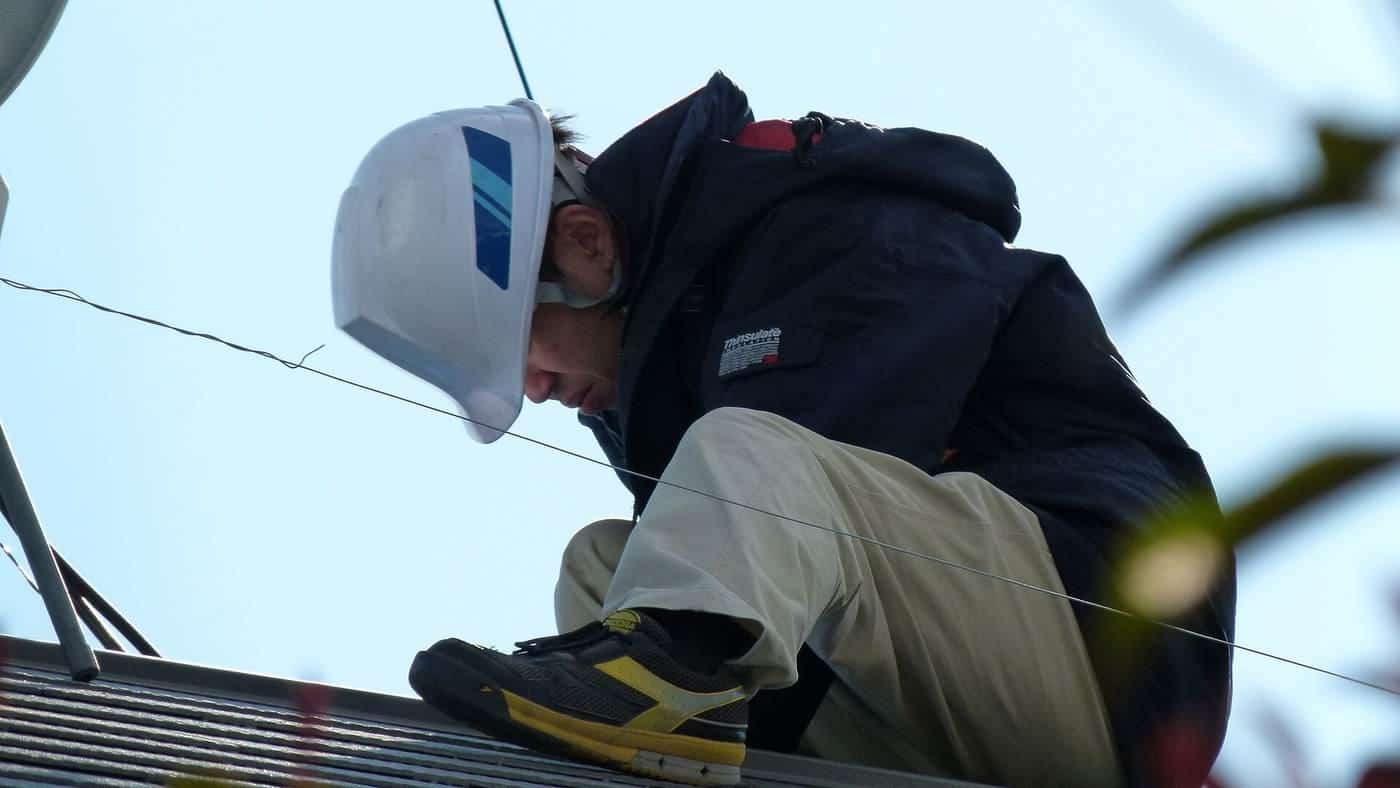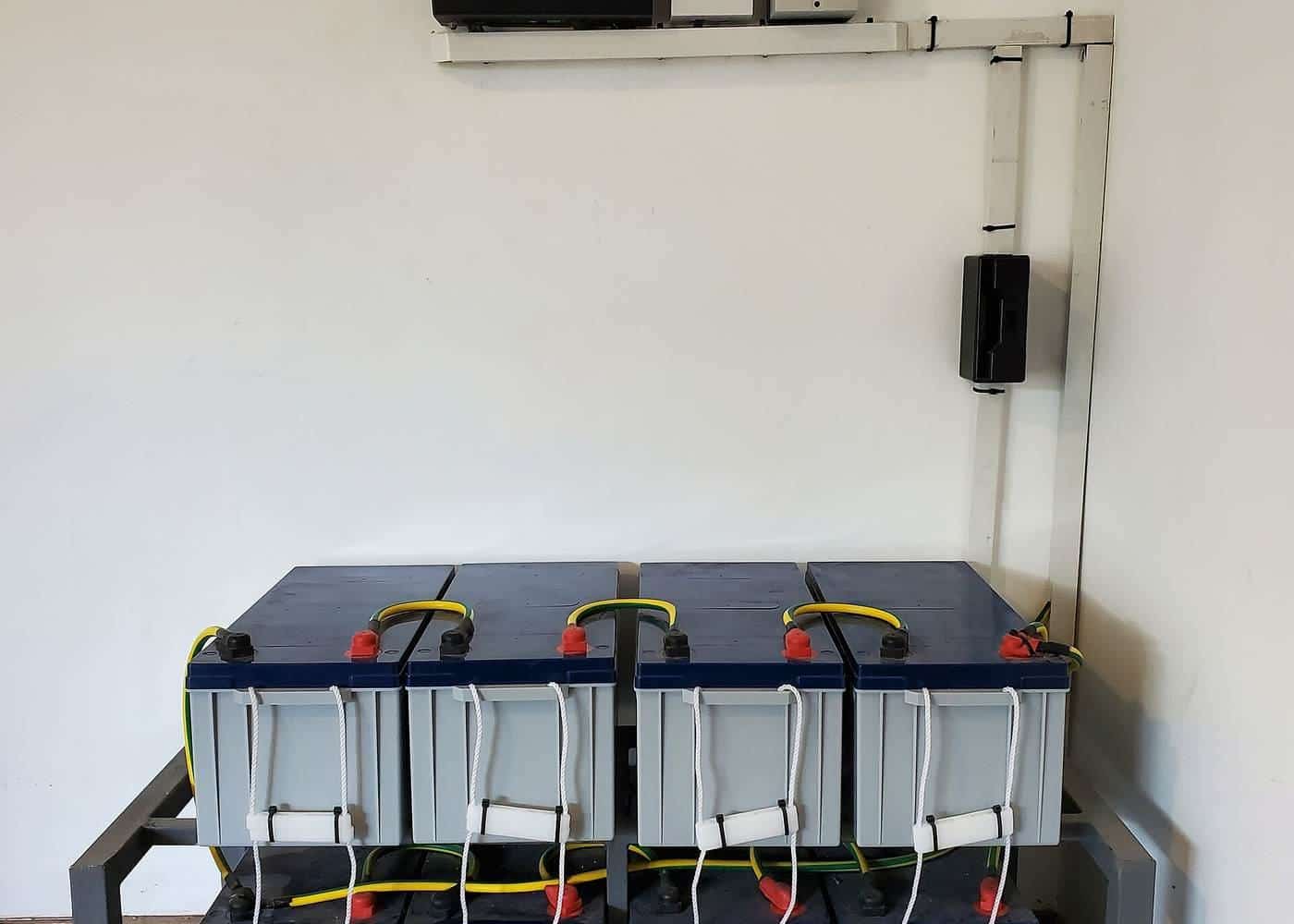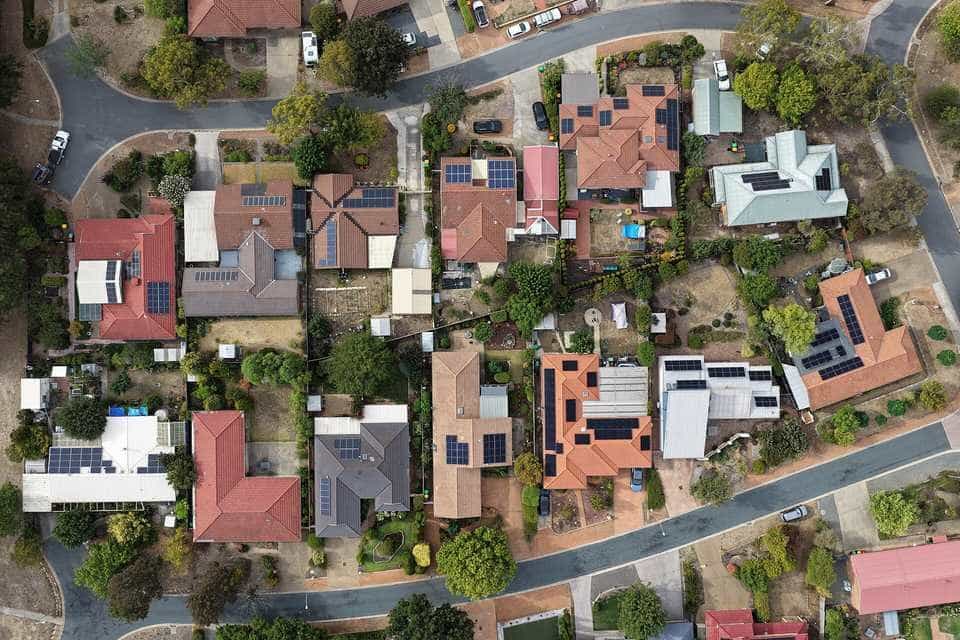
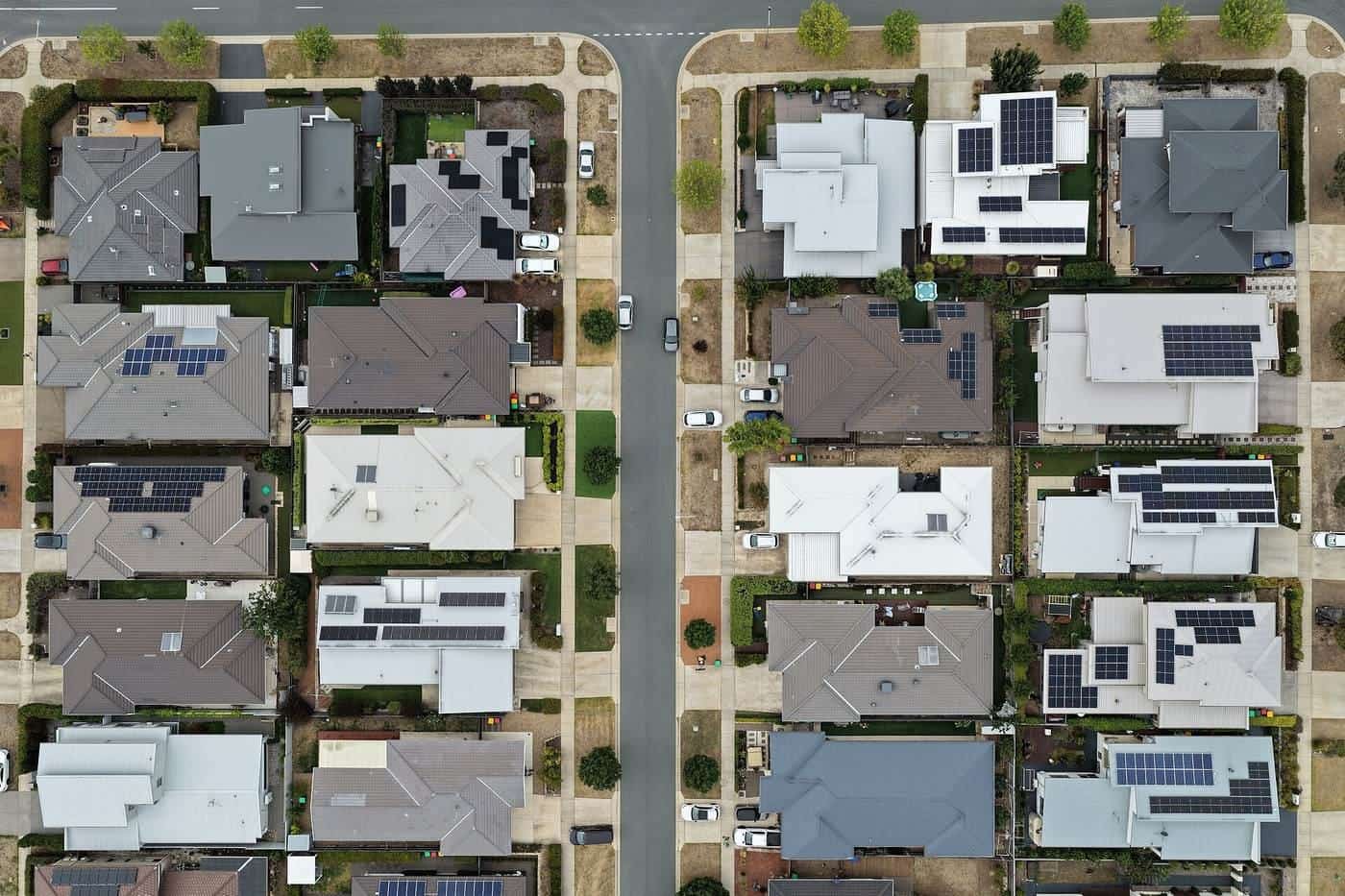
Rooftop solar has become one of the most common home upgrades in Australia. Drive through almost any suburb and you'll see panels on roof after roof, and more households are now adding batteries to store their solar for the evening. Yet buying solar can feel confusing. Quotes use unfamiliar terms, systems come in many sizes and configurations, rebates and tariffs change, and sales pitches can be persuasive.
Home Solar Guide is an independent guide to understanding and buying rooftop solar and home batteries. We explain how solar works, which kind of system might suit your home, what the main components do, how to compare quotes, how to choose an installer and how rebates and feed-in tariffs work. We don't sell solar, and we don't rank installers or brands.
SRES
Federal solar scheme
Upfront discount via STCs
12
In-depth guides
Systems, components, buying
Independent
Nothing to sell
No installer rankings
Solar systems
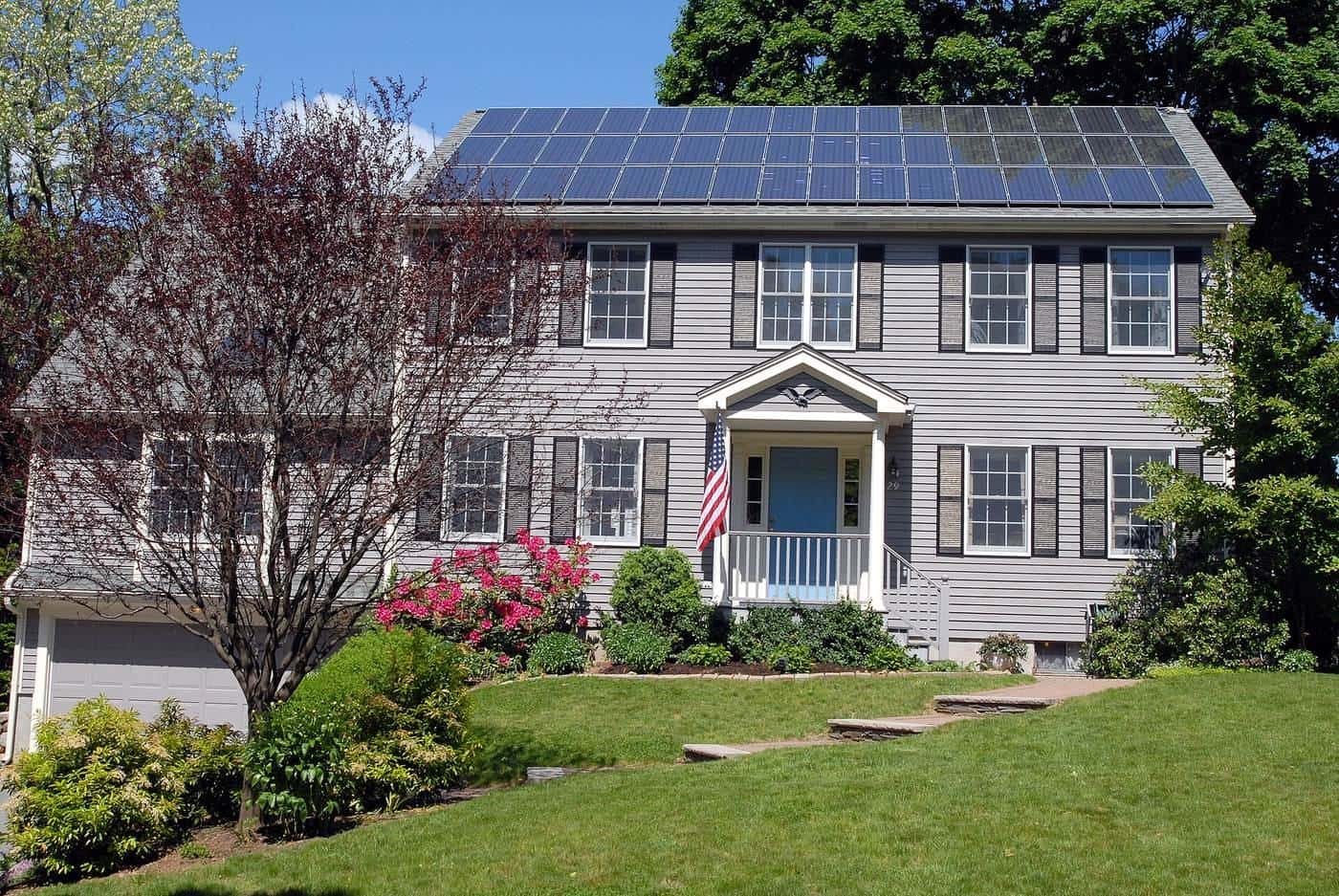
Most homes have a grid-connected system: panels on the roof feed an inverter, which supplies your home and sends any surplus to the grid. Adding a battery turns this into a hybrid system that stores solar for later. Homes far from the grid may use an off-grid system with batteries and usually a backup generator. Start with how rooftop solar works, then explore our guides to solar systems.
Solar components
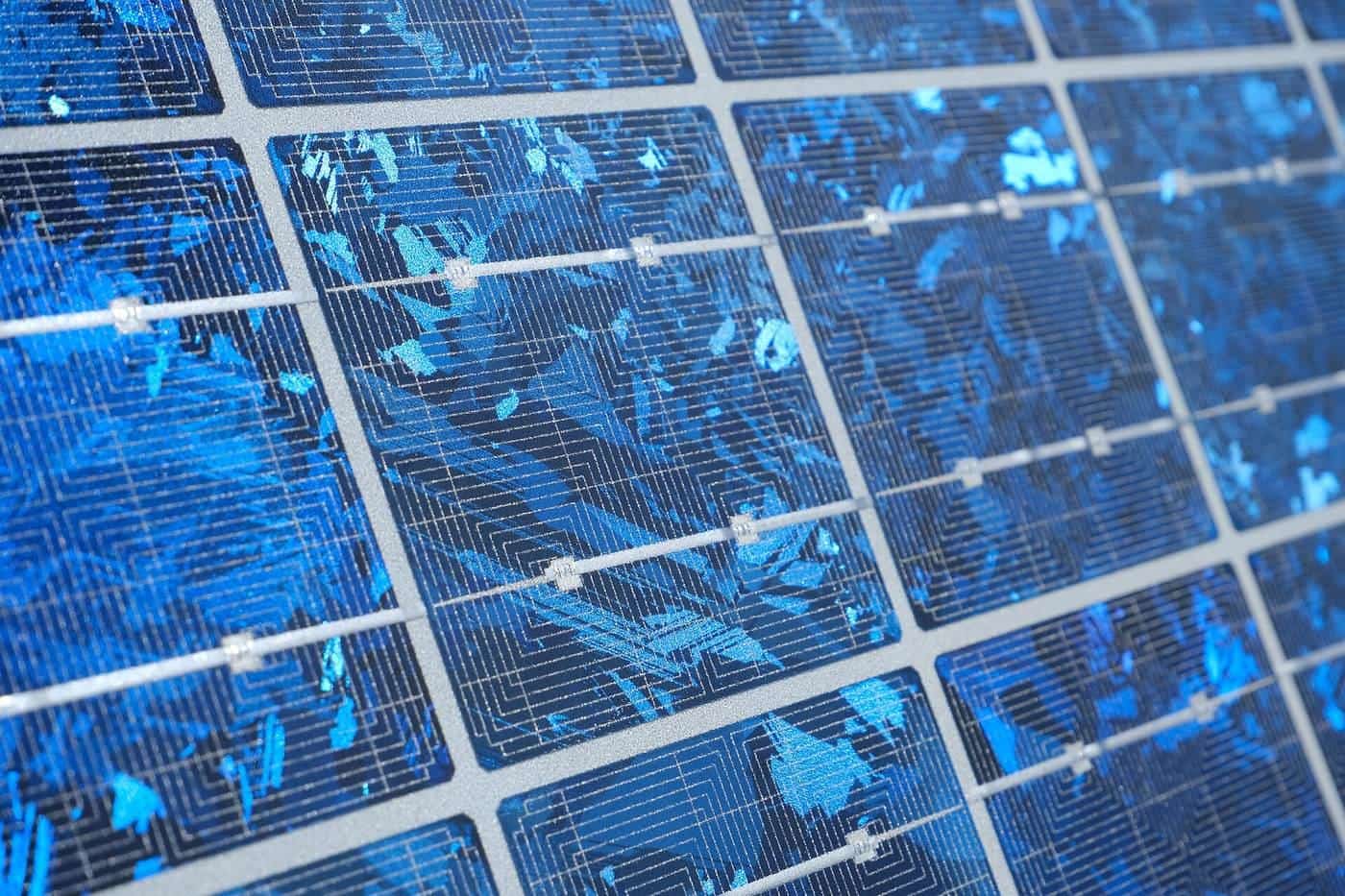
Every system is made of a few key parts: solar panels, an inverter, mounting hardware, wiring and protection devices, and often monitoring and a battery. Understanding what each does and what to look for on a datasheet and warranty helps you compare quotes. Explore our guides to solar components.
Buying and installing
Our buying and installing guides explain how to get and compare quotes, how to choose an accredited installer and retailer, how the federal Small-scale Renewable Energy Scheme and battery program work, and how feed-in tariffs and electricity bills interact with your solar.
Five things to check before you sign
- Your usage. Look at your bills and, if you can, your interval data from your retailer or distributor, so you know how much electricity you use and when.
- The design. Does the quote show the number, model and placement of panels, the inverter model and an estimate of generation?
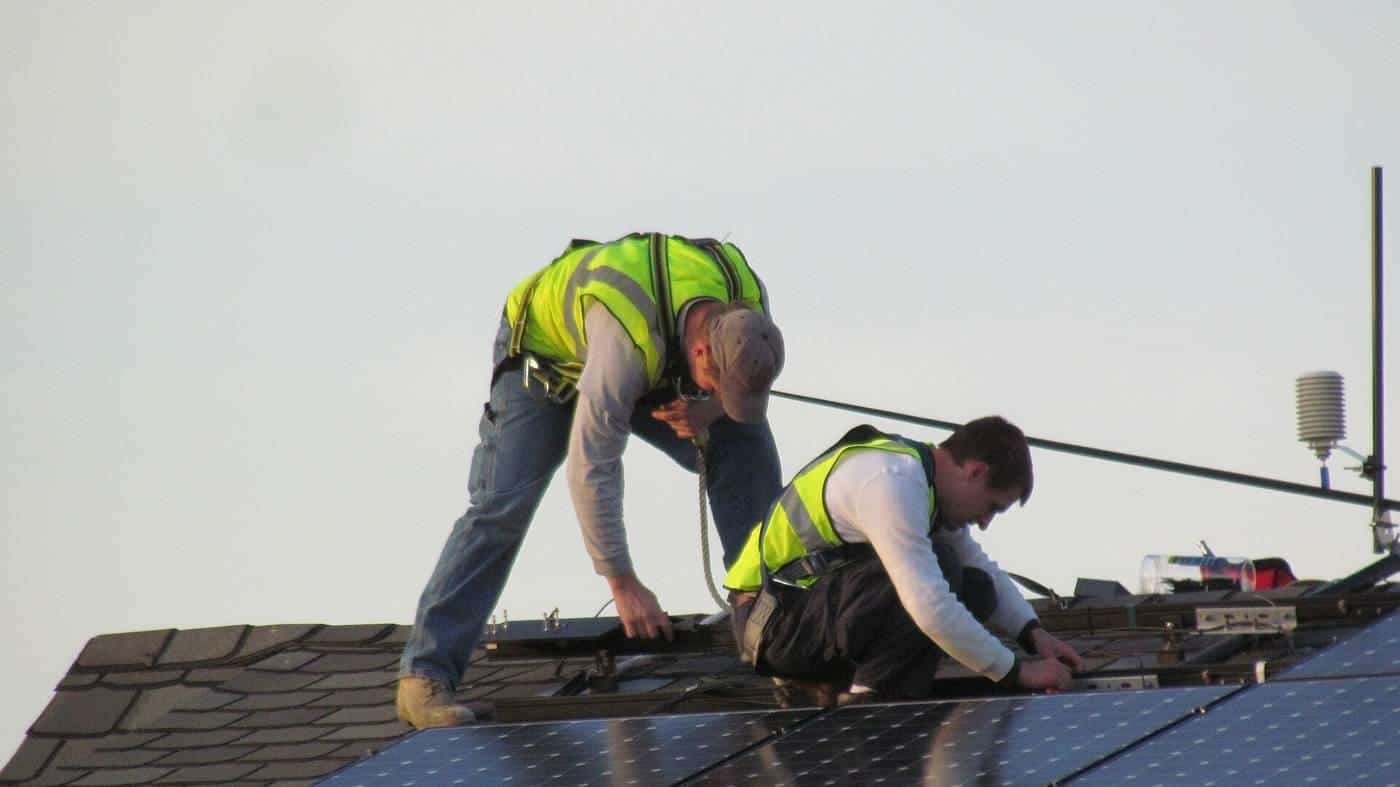
- The people. Is the designer and installer accredited by Solar Accreditation Australia, and is the electrical work done by a licensed electrician?
- The products. Are the panels, inverter and any battery on the Clean Energy Council's approved product lists?
- The paperwork. Are the warranties, the STC discount, the payment terms and any network approval clearly set out?
Solar and your electricity bill
Solar reduces your bill mainly by replacing electricity you would otherwise buy from the grid. Electricity you use as it's generated is usually worth more to you than electricity you export, because feed-in tariffs are generally lower than the price you pay for grid power. That's why the timing of your usage matters, and why many households shift dishwashers, washing machines, pool pumps and hot water heating into the middle of the day. Compare retail offers that suit solar households on the government's comparison sites.
Who this guide is for
Home Solar Guide is for anyone thinking about solar: homeowners getting their first quotes, people adding a battery to an existing system, owners of older systems wondering about an upgrade, landlords and tenants, and anyone who wants to understand the technology on their roof.
How we research
We base our guides on official and authoritative sources, including the Clean Energy Regulator, the Department of Climate Change, Energy, the Environment and Water, the Australian Energy Regulator, state energy regulators, the Your Home guide and consumer regulators. Every guide lists its sources and shows when it was last updated. We don't publish prices, savings figures, product rankings or invented statistics, because they vary widely and change quickly. Read our editorial policy.
About this domain
homesolar.com.au hosted a generic home solar information and quotes site in the mid-2010s. It later lapsed, and the domain was relaunched in 2026 as an independent guide with entirely new content. We aren't connected with any previous operator, retailer or installer. Read more about us.
Key points
Rooftop solar can lower your electricity bills and your emissions, but the right system depends on your home, usage and budget. Understand your usage, learn how systems work, compare detailed quotes, use accredited installers and approved products, check how rebates apply, and choose an electricity plan that suits a solar household.