A solar system is only as good as its installation. Well-chosen products can be let down by poor design, sloppy wiring or careless roof work, and a company that disappears after installation leaves you without support when something goes wrong. Choosing who to buy from is one of the most important decisions in going solar.
This guide explains the different types of solar businesses, what accreditation and licensing mean, how to check a company, what to expect on installation day and which red flags to watch for.
SAA
Accreditation
Designers and installers
Licensed
Electricians
State and territory law
NETCC
Consumer code
For sellers
Retailers, installers and designers
Several roles are involved in a solar installation, and they may be filled by one company or several:
- The retailer sells you the system, provides the quote and contract, and is responsible for delivering what you paid for.
- The designer designs the system to suit your home and comply with standards and network rules.
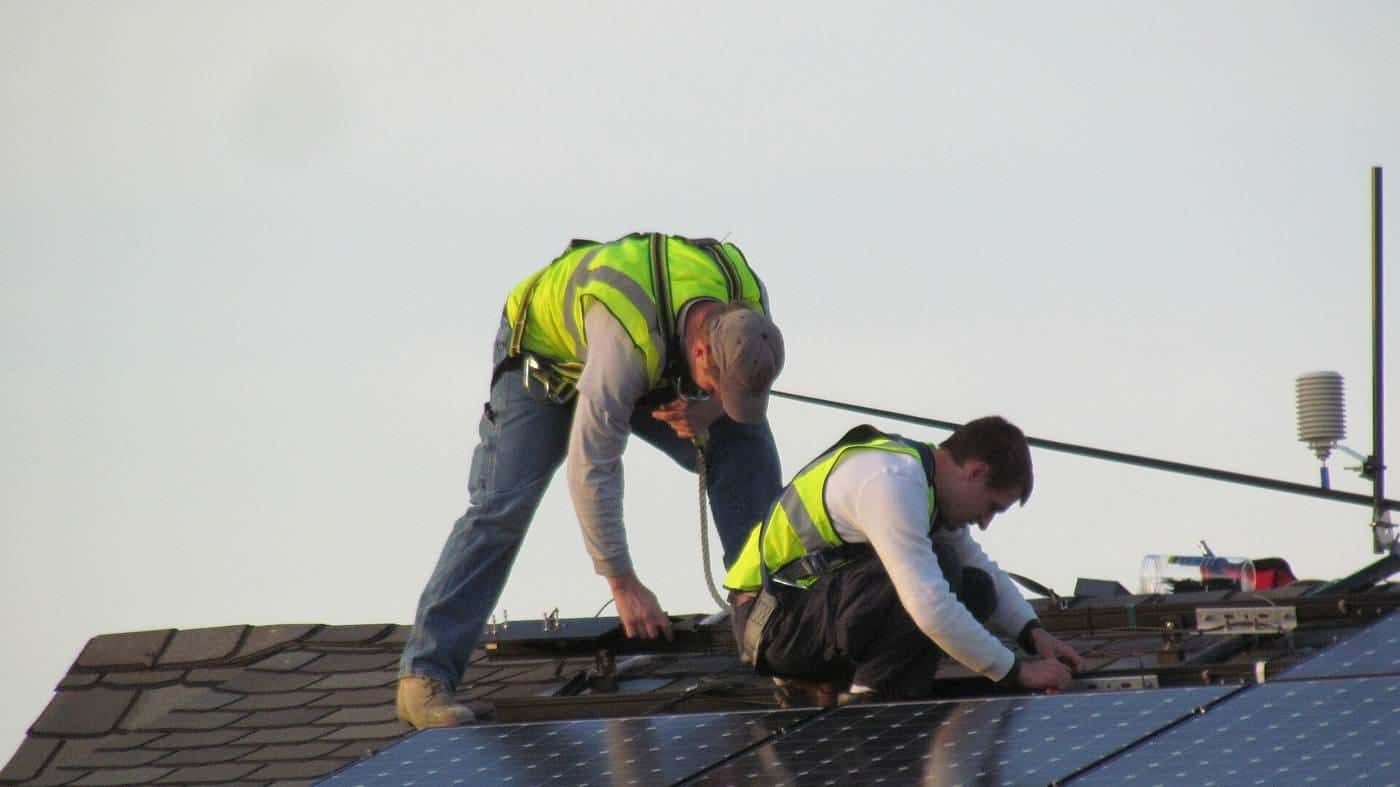
- The installer installs the system on site.
- The electrician carries out the electrical work and certifies its safety.
Some companies employ their own designers and installers; others subcontract installation. Either can work well, as long as the people doing the work are properly accredited and licensed, and the retailer takes responsibility for the result.
Accreditation
Under the Small-scale Renewable Energy Scheme, a system must be designed and installed by people accredited by Solar Accreditation Australia (SAA) to be eligible for small-scale technology certificates. According to the Clean Energy Regulator, SAA was approved as the accreditation scheme operator on 29 February 2024, taking over from the Clean Energy Council, and installers had to transfer their accreditation by 29 May 2024.
SAA offers accreditation for different system types, including grid-connected solar, batteries and off-grid systems. The regulator's guidance also notes that installation limits apply, allowing no more than two installations per installer in a single day, and that installers must meet on-site attendance requirements. Ask for the name and accreditation number of the person who will install your system, and check it with SAA.
Electrical licensing
Electrical work must be carried out by licensed electricians under the laws of your state or territory. After installation, the electrician provides a certificate of electrical safety or compliance, depending on your state. Make sure you receive it.
The New Energy Tech Consumer Code
The New Energy Tech Consumer Code is a voluntary code of conduct, authorised by the ACCC, that sets minimum standards for businesses selling solar, batteries and other new energy technology to households. It covers areas such as sales practices, contracts, finance, installation and complaints. Signatories commit to meeting the code. Some government programs require sellers to be approved under the code. Check whether a retailer is a signatory on the code's website.
Checking a company
Before signing, look into the company:
- How long has it been operating? A company that has been around for years is more likely to be around to honour its workmanship warranty.
- What do customers say? Read reviews across several platforms, looking for patterns in how the company handles problems.
- Is it an approved seller under the consumer code?
- Who will install the system? Its own staff or subcontractors? Are they accredited?
- Does it hold appropriate insurance? Ask about public liability insurance.
- How does it handle service and warranty claims? Who do you call, and how quickly do they respond?
- Is it clear and transparent? Good companies explain their recommendations, provide detailed quotes and answer questions without pressure.
The contract
Your contract should match the quote and include the system specification, price, payment schedule, STC arrangements, installation timeline, warranties, what happens if network approval is refused or limited, and how disputes are handled. Read it before signing. If you agreed to the purchase with an unsolicited salesperson at your door or by phone, Australian Consumer Law gives you a cooling-off period during which you can cancel.
Deposits and payment
Many companies ask for a deposit when you sign, with the balance due after installation. Be cautious of large deposits, particularly before network approval. Paying by credit card can give you some additional protection. Avoid paying the full amount until the system is installed, commissioned and working, and you've received the documentation.
Installation day
On installation day, expect the installers to:
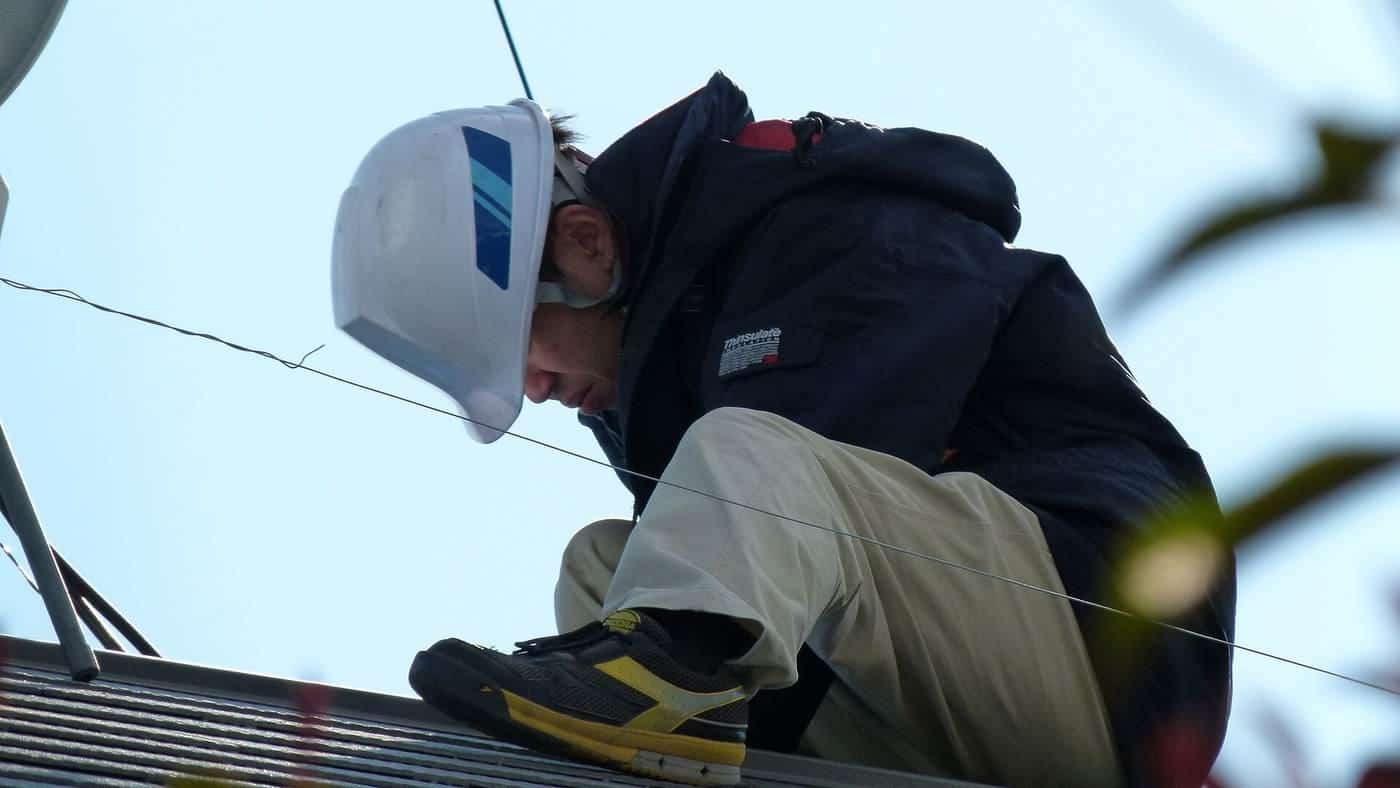
- Arrive with appropriate safety equipment, such as scaffolding, edge protection or harnesses.
- Confirm the layout and inverter location with you before starting.
- Install the mounting system, panels, cabling, inverter and isolators.
- Make any switchboard changes and connect the system.
- Commission the system and test that it's working.
- Clean up and remove packaging.
Most residential installations take a day or two, depending on size and complexity. Battery and off-grid installations may take longer.
Handover
At handover, the installer should explain how the system works, show you the monitoring app, demonstrate the shutdown procedure and leave documentation including the system design, product datasheets and warranties, commissioning results and the electrical safety certificate. Check that the system is generating, and that monitoring is connected. The installer or retailer will also complete the STC paperwork, which you'll need to sign.
After installation
Your meter may need to be reconfigured or replaced before your system can export, which may take some days or weeks depending on your area. Contact your retailer to make sure you're on a plan that suits a solar household. Check your monitoring regularly, and contact the installer promptly if anything looks wrong.
Red flags
- High-pressure sales or deals that expire today.
- Reluctance to name product models or the installer.
- Prices far below other quotes without a clear reason.
- No questions about your usage or roof.
- Large upfront deposits before approval.
- Installers arriving without safety equipment.
- No documentation at handover.
- Guarantees of savings.
If something goes wrong
If you have a problem with your system or installation, contact the retailer first and put your complaint in writing. If it's not resolved, you can contact your state or territory consumer protection agency, the code administrator if the retailer is a signatory, or, for electrical safety concerns, your state's electrical safety regulator. Keep records of all communications.
Getting help choosing
If you're unsure, ask friends and neighbours about their experience, and check what your state government recommends. Taking a few extra days to compare companies costs little compared with the life of a system.
Insurance and your home
Tell your home insurer about your new solar system and any battery, so they are covered. Check whether the installer's insurance covers damage caused during installation, such as broken tiles or leaks.
Key points
Use a retailer that takes responsibility for the job, with SAA-accredited designers and installers and licensed electricians. Check the company's track record, consumer code status and service arrangements, read the contract, avoid large deposits before approval and make sure you receive full documentation at handover.
Frequently asked questions
Who accredits solar installers in Australia?
Solar Accreditation Australia (SAA) accredits installers and designers under the Small-scale Renewable Energy Scheme. It took over this role from the Clean Energy Council in 2024.
Does my installer need to be an electrician?
Electrical work must be done by a licensed electrician under state and territory laws. For STC eligibility, the system must be designed and installed by SAA-accredited people.
What is the New Energy Tech Consumer Code?
A code of conduct, authorised by the ACCC, that sets standards for businesses selling solar, batteries and other new energy technology to households. Some government programs require sellers to be signatories.
Should I choose a local installer?
Local installers can be easier to contact for service and warranty issues. Larger companies may offer other advantages. What matters most is accreditation, quality and after-sales support.
Can the installer subcontract the work?
Many retailers use subcontracted installers. That's common and can work well, but the installer must be accredited and the retailer should take responsibility for the job.
Sources and further reading
Facts on this page were checked against these primary and official sources. Conditions change — confirm before you travel or buy.
- Small-scale systems accreditation scheme operator — Clean Energy Regulator
- Solar battery installers and designers — Clean Energy Regulator
- Solar Accreditation Australia — SAA
- New Energy Tech Consumer Code — NETCC
- Unsolicited selling and consumer rights — ACCC