A solar quote can read like a parts catalogue: panel models and wattages, inverter types, mounting systems, isolators, monitoring and warranties. Knowing what each component does and which specifications matter helps you compare quotes fairly and ask the right questions. This section explains the main components of a home solar system.
Panels
Make the power
DC electricity from sunlight
Inverter
Converts it
DC to household AC
Approved
Products required
For STC eligibility
Guides in this section
- Solar panels: how panels work, panel types, wattage, efficiency, datasheets and warranties.
- Solar inverters: string inverters, microinverters, optimisers and hybrid inverters compared.
- Mounting and roof suitability: orientation, tilt, shading, roof types and mounting systems.
- Monitoring and maintenance: how to check your system is working, cleaning, safety checks and troubleshooting.
Solar panels
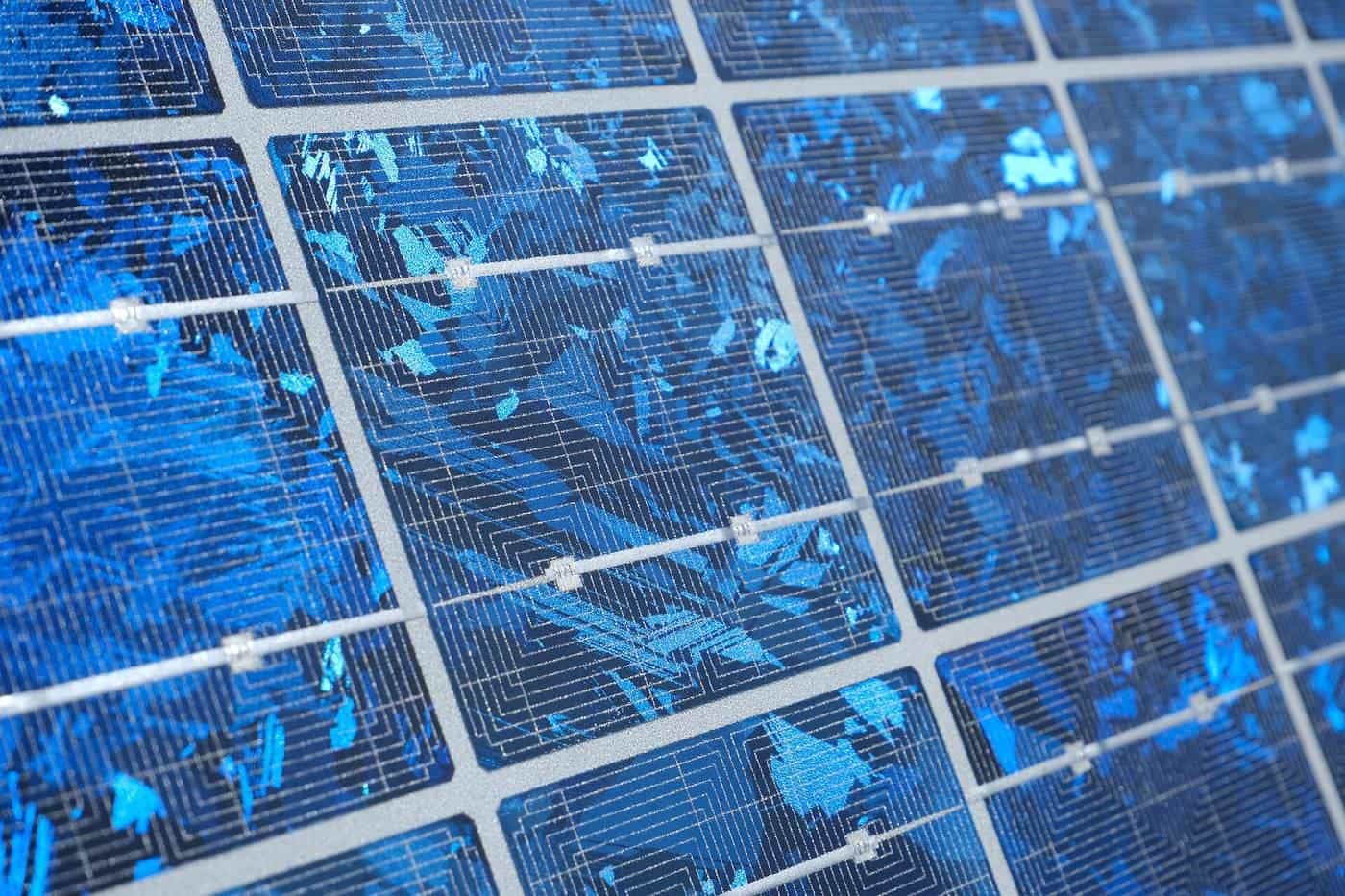
Solar panels, also called modules, are made of many solar cells that convert sunlight into DC electricity. Most panels sold today use monocrystalline silicon cells. Each panel has a rated power in watts, measured under standard test conditions. Your system's size is the total rated power of all its panels. Panels differ in efficiency, which affects how much power you can fit on your roof, and in how well they cope with heat and shade.
Inverters
The inverter converts DC from the panels into AC for your home and the grid, and manages the system. Most homes use a single string inverter, often mounted in a garage or on an outside wall. Microinverters are small units fitted behind each panel. Power optimisers sit behind each panel and work with a central inverter. Hybrid inverters manage both panels and a battery. Each approach has strengths for different roofs and budgets.
Mounting and wiring
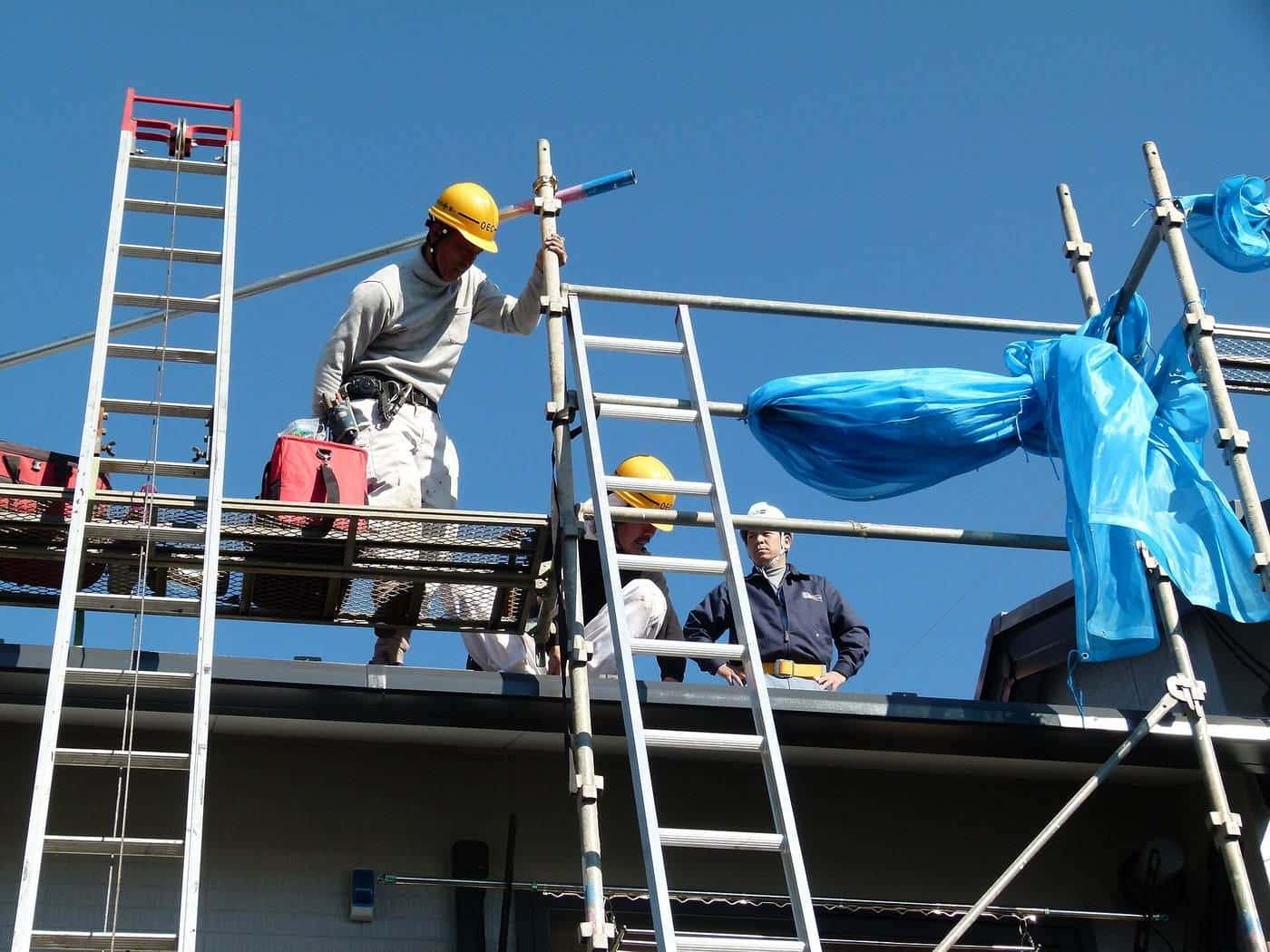
Mounting systems fix panels securely to the roof and must be suited to the roof type and local wind conditions. Cabling connects panels to the inverter, and isolators and protection devices allow the system to be safely shut down and protect against faults. Australian Standards set requirements for how arrays are installed and how inverters connect to the grid.
Monitoring
Most inverters include monitoring, often through an app, showing how much your system generates. Some systems also measure your household consumption, which helps you understand how much solar you use and export. Monitoring is the easiest way to spot a fault.
Batteries
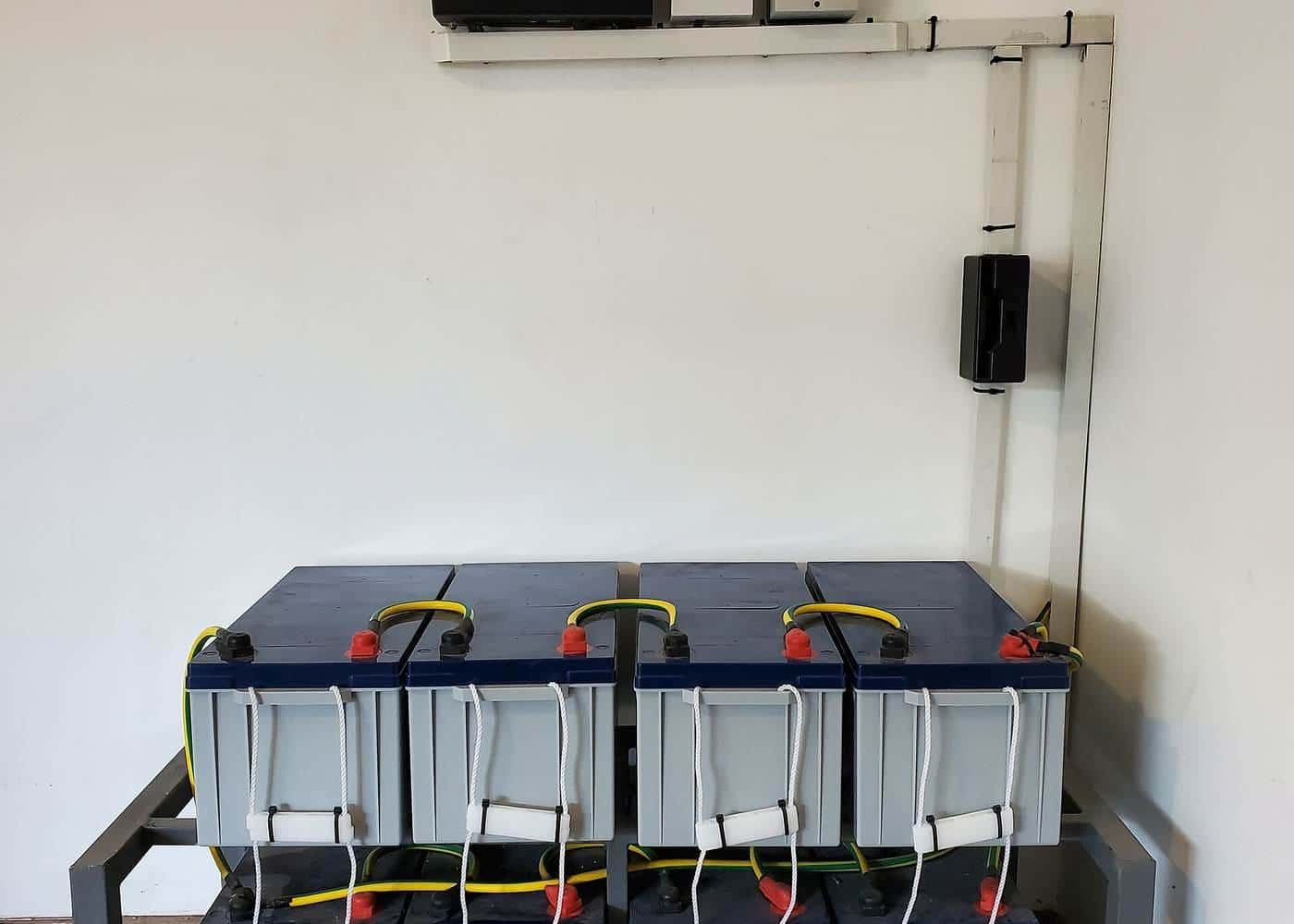
Home batteries store surplus solar for later use. They are usually lithium-ion and are measured by usable storage capacity in kilowatt-hours and by power output in kilowatts. Batteries must be installed according to Australian Standards, which restrict where they can be placed. Read our battery guide.
Reading datasheets
Every panel, inverter and battery has a datasheet listing its specifications. You don't need to understand every figure, but a few are useful. For panels, look at the rated power, efficiency, temperature coefficient and dimensions. For inverters, check the rated AC output, the number of maximum power point trackers (MPPTs) and the efficiency. For batteries, look at usable capacity, continuous power output and warranty conditions, including any limits on throughput. Ask the installer to explain anything you don't understand.
Approved products and standards
For a system to be eligible for STCs, it must use panels, inverters and batteries from the Clean Energy Council's approved product lists, and be designed and installed by a person accredited by Solar Accreditation Australia. Installations must comply with Australian Standards, including those covering PV array installation, inverter grid connection, battery installation and electrical wiring, as well as your network's connection rules.
Warranties
Warranties are an important part of comparing quotes. Panels usually come with a product warranty covering defects and a performance warranty covering output over time. Inverters and batteries have their own product warranties, and installers should offer a workmanship warranty covering the installation. Check who backs each warranty and whether the manufacturer has a local presence. Australian Consumer Law also gives you consumer guarantees that apply regardless of any warranty.
Brands and quality
We don't rank brands. Product quality varies, and the best choice depends on your needs and budget. Look for approved products, clear datasheets, solid warranties with local support and an installer who can explain why they've chosen each component.
Upgrading components
Owners of older systems often upgrade components rather than replacing everything. A failed inverter can be replaced with a newer model, sometimes a hybrid ready for a battery. Adding panels may need a larger inverter, network approval and a check on STC eligibility. Ask installers whether existing panels and new components are compatible, and remember that mixing panel models on one string can reduce performance.
Where to find datasheets
Manufacturers publish datasheets and installation manuals on their websites. Ask your installer for the exact documents for the models quoted, and keep copies with your system records.
Key points
Panels generate DC power, the inverter converts it to AC and manages the system, and mounting, cabling and protection devices keep it secure and safe. Use approved products, compare datasheets and warranties, check that the installer is accredited, and use monitoring to keep an eye on performance.
Guides in this section
Solar components
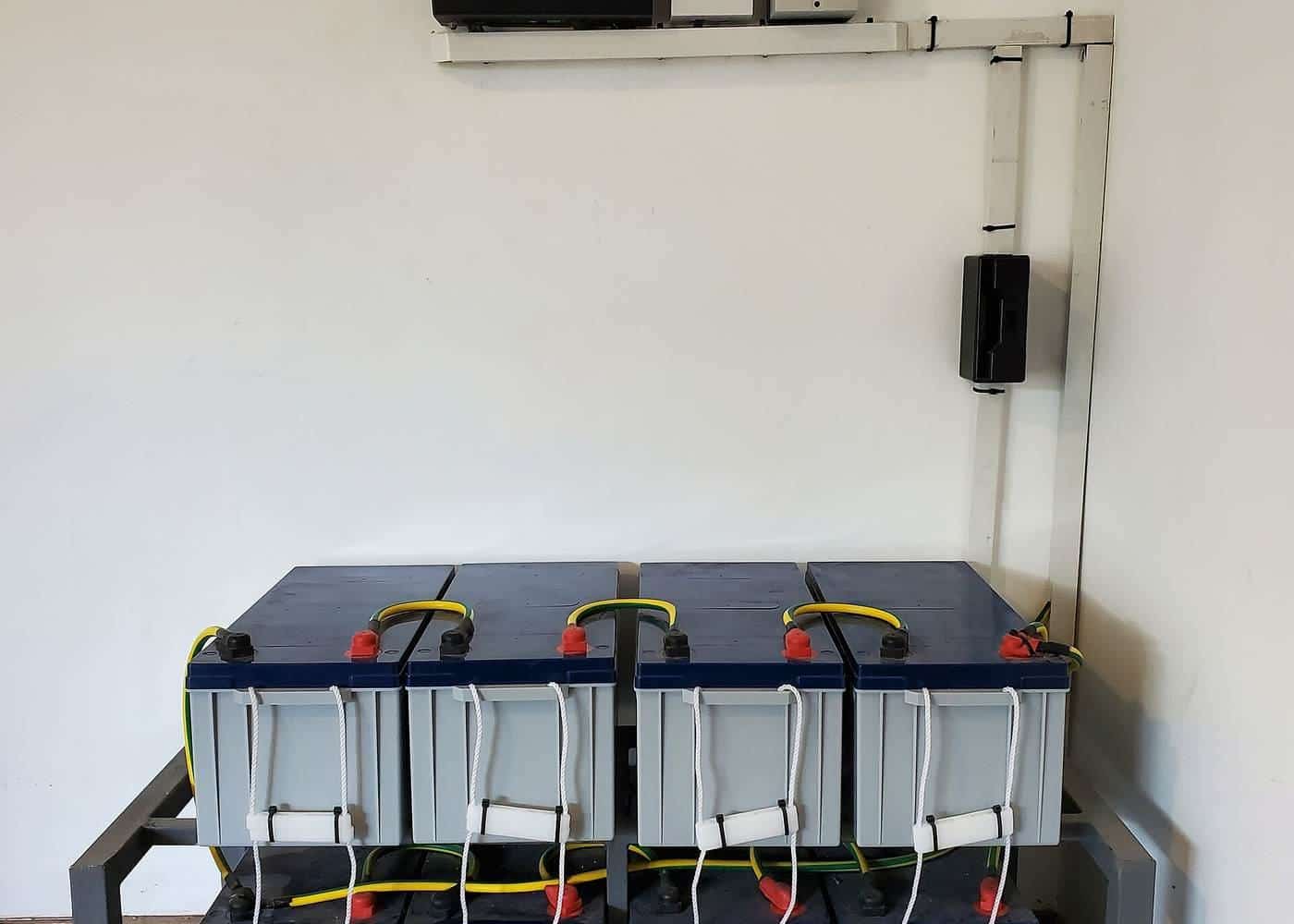
Solar panels
How to compare solar panels: cell types, wattage, efficiency, temperature coefficient, shade, datasheets and warranties.
Read · 5 min
Solar components
Solar inverters
Solar inverters compared: string, microinverters, optimisers and hybrid inverters, plus sizing, MPPTs, location and warranties.
Read · 5 min
Solar components
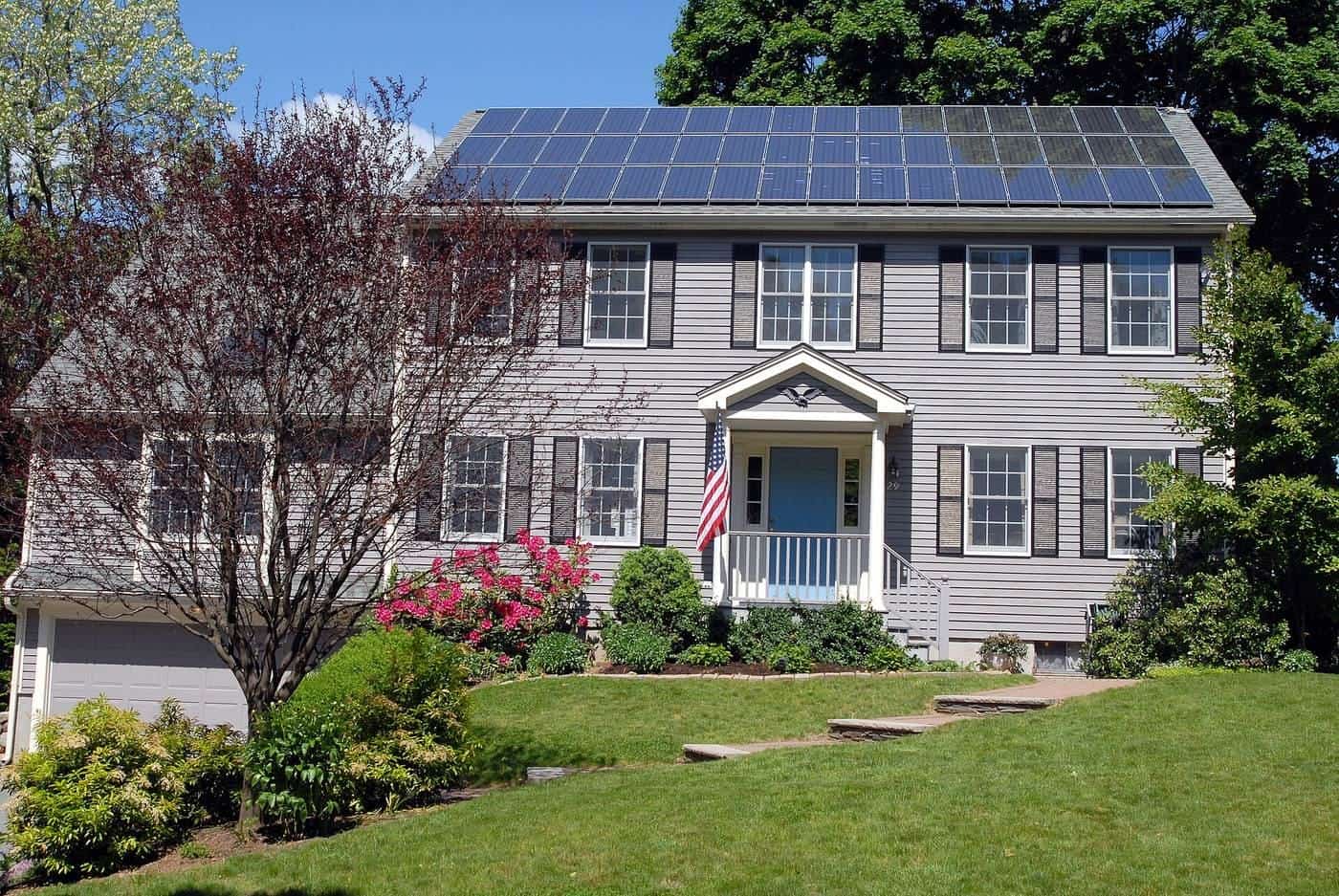
Mounting and roof suitability
Is your roof right for solar? Orientation, tilt, shade, roof types, condition, mounting systems, wind ratings and ground mounts.
Read · 5 min
Solar components
Monitoring and maintenance
How to check your solar is working: monitoring apps, spotting faults, cleaning, safety inspections and shutting down.
Read · 5 min
Frequently asked questions
What are the main parts of a solar system?
Solar panels, an inverter, mounting hardware, cabling, isolators and protection devices, and usually a monitoring system. Many systems also include a battery.
How do I know if a product is approved?
The Clean Energy Council keeps lists of approved solar panels, inverters and batteries. For a system to be eligible for STCs, it must use approved products.
What warranties should I look for?
Panels usually have a product warranty and a separate performance warranty. Inverters and batteries have their own warranties, and installers should provide a workmanship warranty. Check the length, terms and who backs each warranty.
Do solar panels need maintenance?
Not much, but they do need some. Periodic checks by a qualified person, keeping an eye on monitoring and occasional cleaning in dusty areas help keep a system safe and productive.
Sources and further reading
Facts on this page were checked against these primary and official sources. Conditions change — confirm before you travel or buy.
- Solar PV systems — Your Home, Australian Government
- Solar battery installers and designers — Clean Energy Regulator
- Small-scale Renewable Energy Scheme — Clean Energy Regulator
- Consumer guarantees — ACCC