Rooftop solar can seem like magic: panels sit silently on your roof, and your electricity bill shrinks. In fact, the process is straightforward. Sunlight is converted into electricity by solar cells, an inverter turns that electricity into the form your home uses, and your home uses it, exports it or stores it. Understanding each step helps you make sense of quotes, read your monitoring app and get the most from your system.
This guide explains how a typical grid-connected rooftop system works, from the sun to your power points.
DC
Panels produce
Direct current
AC
Homes use
Alternating current
kWh
Energy measured in
Kilowatt-hours
Step 1: Sunlight hits the solar cells
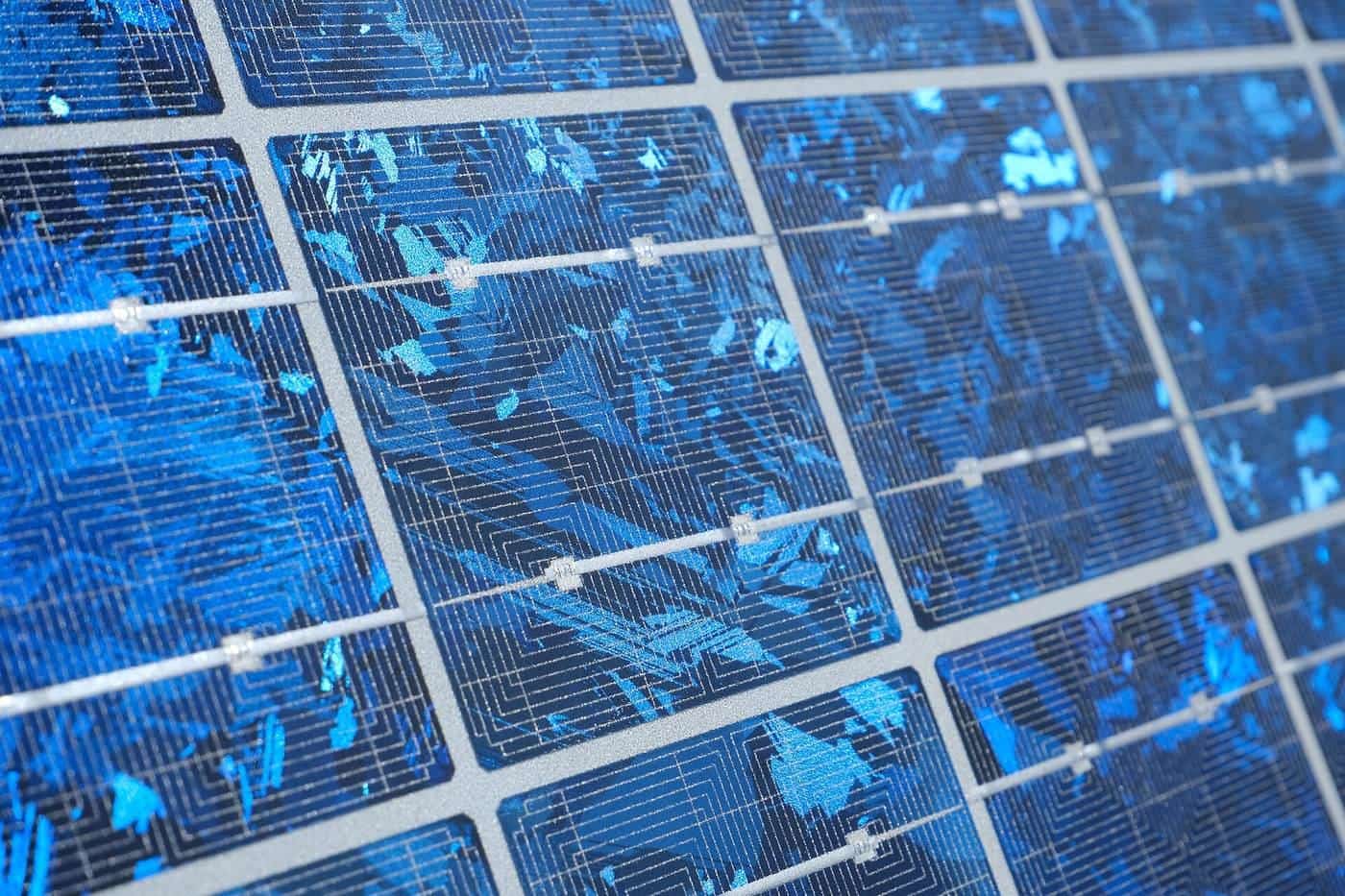
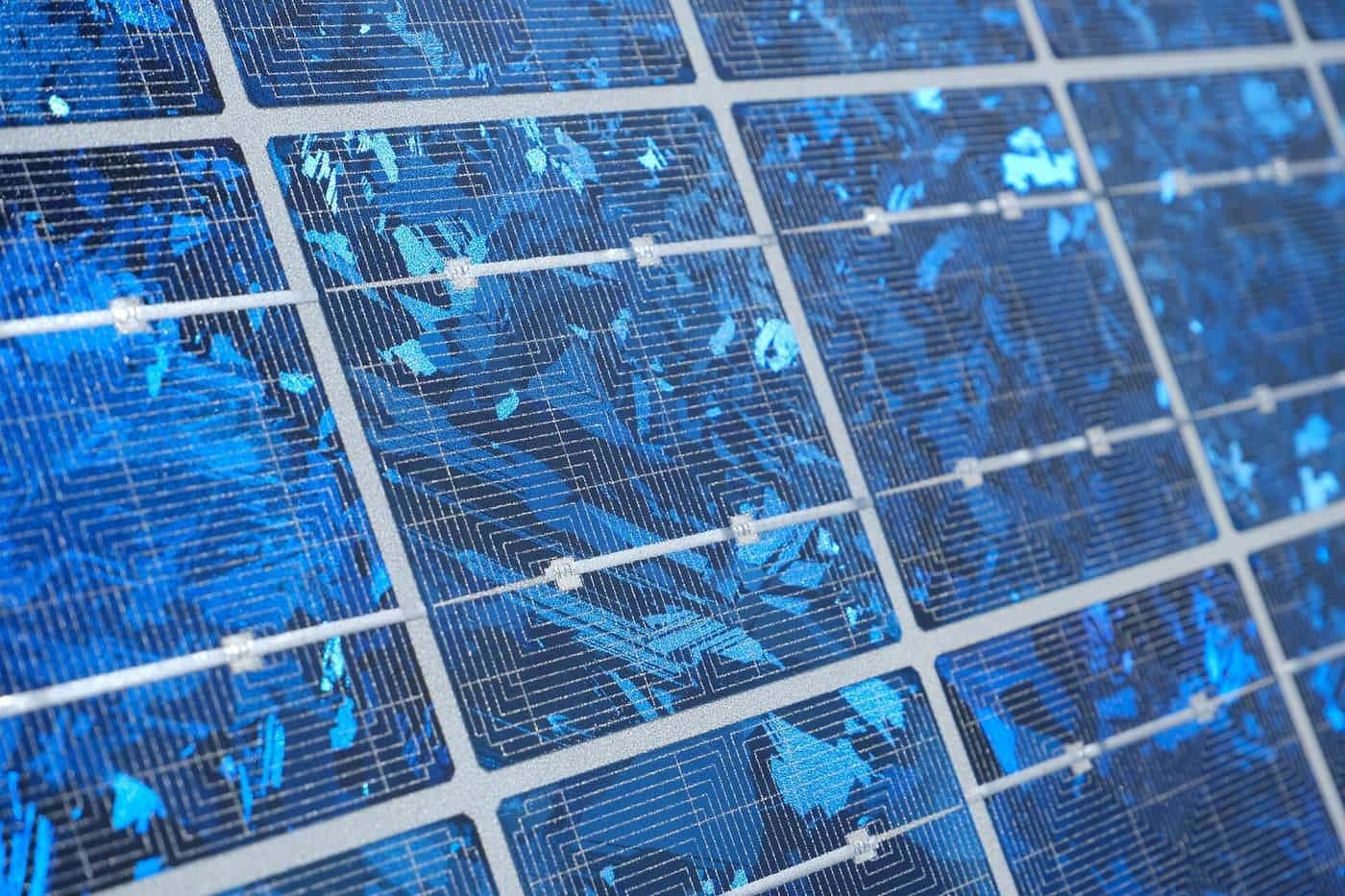
A solar panel is made of many solar cells, usually made of silicon, wired together and sealed behind glass in an aluminium frame. When light strikes a cell, it knocks electrons loose from atoms in the silicon. The cell is built with layers that push these electrons in one direction, creating a flow of electric current. This is called the photovoltaic effect, which is why solar panels are also called PV panels.
The current produced is direct current (DC), which flows in one direction only. Each cell produces a small voltage, so cells are connected in series within a panel, and panels are connected together in strings to build up the voltage.
Step 2: Panels produce power according to the light
How much power a panel produces at any moment depends mainly on how much sunlight reaches it. Output is highest when the sun is high and shining directly onto the panel, and lower in the morning, the evening, in winter and under cloud. Shade on even part of a panel can reduce its output significantly.
Each panel has a rated power in watts, measured under standard test conditions in a laboratory. In real conditions, panels usually produce less than their rated power, because sunlight is rarely as strong as in the test and because heat reduces their efficiency. That's why a system rated at a certain number of kilowatts rarely produces its full rating, even at midday.
Step 3: The inverter converts DC to AC
Your home's appliances and the electricity grid use alternating current (AC), which reverses direction many times a second. The inverter converts DC from the panels into AC that matches the grid's voltage and frequency.
The inverter does much more than convert power. It constantly adjusts how it draws power from the panels to get the most out of them as conditions change, a function called maximum power point tracking. It monitors the grid and shuts down if the grid fails, so it doesn't send power into lines that workers believe are dead. It also manages how much power is exported if your network sets limits, and usually records how much your system generates.
Most homes have a single string inverter mounted near the switchboard. Some systems use microinverters behind each panel or power optimisers paired with a central inverter. Read our inverter guide.
Step 4: Power flows to your switchboard
From the inverter, AC power runs to your home's switchboard, where it joins the electricity supply from the grid. From here, it flows to whatever is using power in your home: the fridge, the air conditioner, the washing machine, lights and devices.
Electricity always takes the easiest path. When your solar system is producing power, your appliances draw from it first, because it's closest. If your appliances need more than your solar is producing, the extra comes from the grid automatically. You don't need to switch anything.
Step 5: Surplus is exported or stored
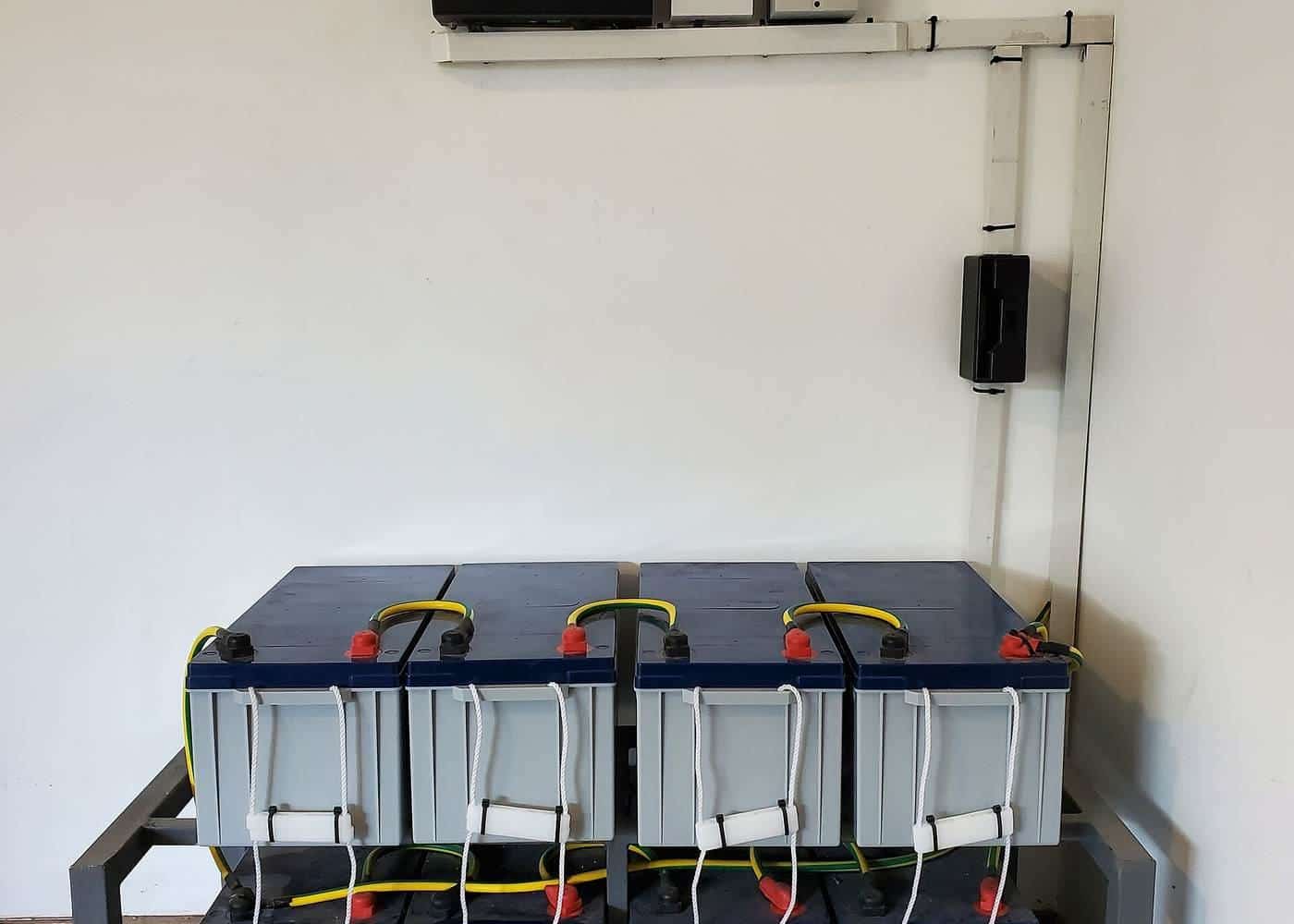
When your solar system produces more than your home is using, the surplus flows out through your meter to the grid. Your electricity retailer records these exports and usually pays you a feed-in tariff for them. If you have a battery, surplus solar charges the battery first, and only exports once the battery is full.
Step 6: The meter records imports and exports
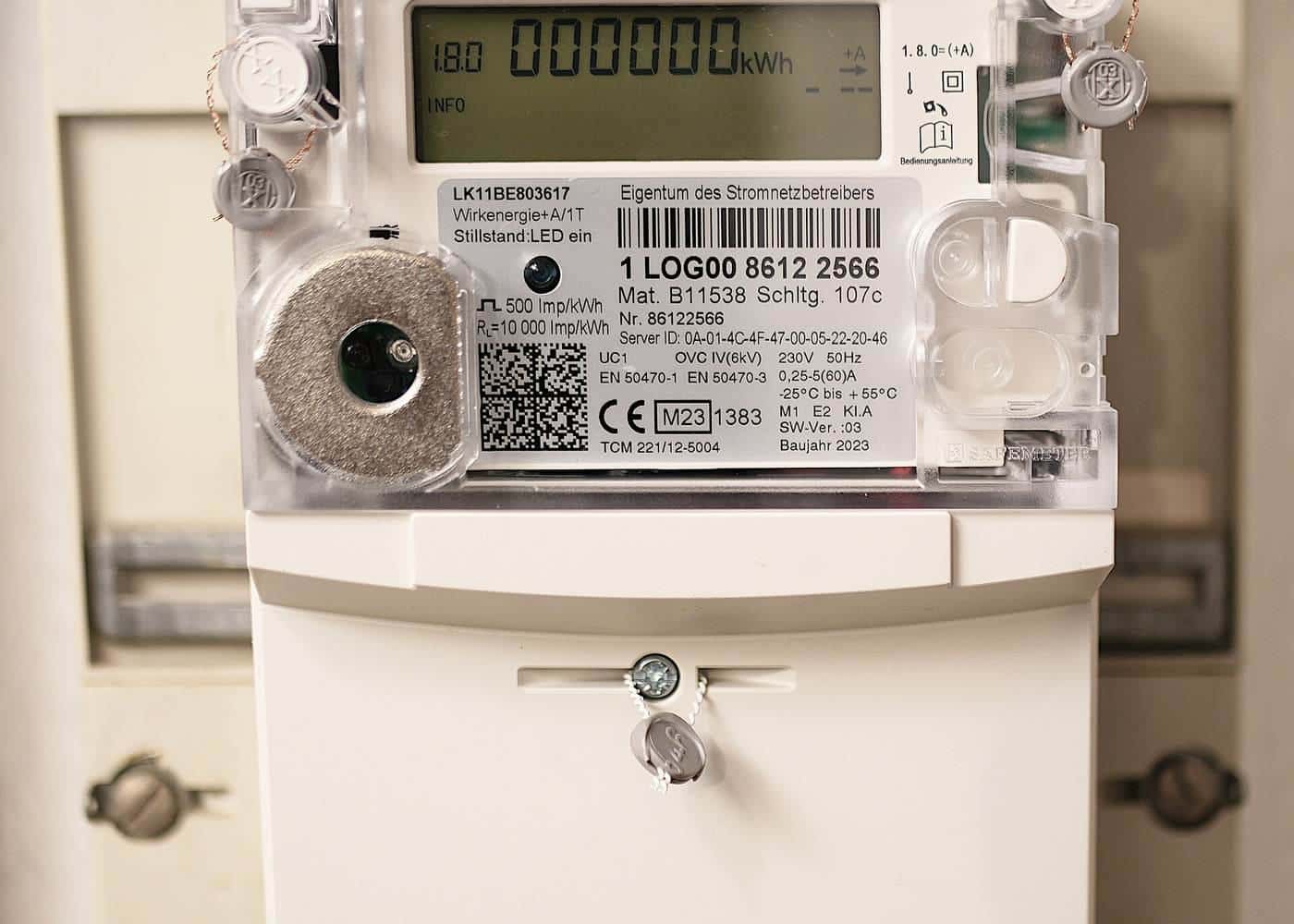
A solar home needs a meter that can record electricity flowing in both directions: imports from the grid and exports to the grid. Most homes now have smart meters that record this in short intervals. When you install solar, your meter may need to be reconfigured or replaced. Your retailer uses these readings to calculate your bill and your feed-in credits.
Why timing matters
Because solar is generated during the day, and many households use most of their electricity in the morning and evening, a large share of solar is often exported rather than used at home. This matters because the feed-in tariff you receive for exports is usually much lower than the price you pay for electricity from the grid. Every kilowatt-hour of solar you use yourself saves you the full price of grid electricity, while every kilowatt-hour you export earns only the feed-in tariff.
That's why households get more value from solar by using more of it during the day. Running dishwashers, washing machines and dryers on timers, heating water in the middle of the day, pre-cooling or pre-heating the house, and charging electric vehicles in daylight can all increase how much of your solar you use. A battery stores surplus for the evening.
A day in the life of a solar home
At dawn, panels begin producing a little power, but not enough to run the home, so most power comes from the grid. As the sun climbs, output rises. By mid-morning, the system may be producing more than the home needs, and surplus is exported. Around the middle of the day, output peaks. Through the afternoon, output declines, and by early evening, when cooking, lighting and entertainment push household usage up, the system produces little or nothing. Overnight, the home runs entirely on grid power, or on a battery.
Your monitoring app shows this pattern as a curve of solar generation rising and falling through the day, often alongside your household's consumption if you have consumption monitoring.
What affects how much your system produces
Several things affect how much electricity a system generates over a year:
- Location. Sunshine varies across Australia. Northern and inland areas generally receive more solar energy than southern and coastal ones, especially in winter.
- Orientation and tilt. In Australia, north-facing panels generally produce the most energy over a year. East- and west-facing panels produce more in the morning or afternoon respectively.
- Shade. Trees, chimneys, neighbouring buildings and even aerials can cast shadows that reduce output.
- Temperature. Panels are slightly less efficient when hot, so output on very hot days can be lower than on cool, clear days.
- Dirt and dust. In most areas, rain keeps panels reasonably clean, but dust, bird droppings and pollen can reduce output in some places.
- Equipment. Panel quality, inverter efficiency, wiring losses and the match between panels and inverter all play a part.
What a solar system can't do
A standard grid-connected system can't power your home at night, and usually shuts down during a blackout. It won't eliminate your electricity bill entirely in most cases, because you still pay a daily supply charge and buy grid electricity when the sun isn't shining. And it can't produce more than your network allows you to export. Understanding these limits helps you set realistic expectations.
Solar terms explained
- Array: all the panels in your system.
- String: a group of panels wired in series to an inverter input.
- Inverter: converts DC to AC and manages the system.
- kW: a measure of power, used for system and inverter size.
- kWh: a measure of energy, used for generation, usage and battery capacity.
- Feed-in tariff: the credit you receive for exported electricity.
- Self-consumption: the share of your solar that you use in your home.
- Export limit: a cap set by your distributor on how much you can send to the grid.
How long do systems last?
Solar panels are designed for long service lives, and manufacturers typically back them with long performance warranties. Inverters usually have shorter lives than panels, so many owners replace an inverter at some point during a system's life. Batteries also wear with use. Check warranty lengths on your quotes, and read our guide to monitoring and maintenance.
Getting started
To work out what system might suit you, start with your electricity bills and usage data. Try our size estimator for a rough idea of the system size that matches your usage, then read about grid-connected solar and getting solar quotes.
Key points
Solar cells turn light into DC electricity, the inverter converts it to AC, and your home uses solar first, drawing from the grid when it needs more and exporting surplus. Using more solar during the day saves more money than exporting it. Output depends on location, orientation, shade, temperature and equipment.
Frequently asked questions
Do solar panels work on cloudy days?
Yes, but they produce much less electricity. Panels respond to light, not heat, so they still generate under cloud, just at lower output.
Do solar panels work at night?
No. Panels need light to generate electricity. At night, your home draws from the grid or from a battery.
Do solar panels work better when it's hot?
No. Panels respond to light, and high temperatures actually reduce their efficiency slightly. Cool, clear days are ideal.
What's the difference between kW and kWh?
A kilowatt (kW) is a rate of power, like the speed of a car. A kilowatt-hour (kWh) is an amount of energy, like the distance travelled. A 1 kW system running at full output for one hour produces 1 kWh.
Where does my solar go first?
Solar power flows to whatever is using electricity in your home at that moment. Only the surplus is exported to the grid or used to charge a battery.
Sources and further reading
Facts on this page were checked against these primary and official sources. Conditions change — confirm before you travel or buy.
- Solar PV systems — Your Home, Australian Government
- Small-scale Renewable Energy Scheme — Clean Energy Regulator
- Energy Made Easy — Australian Energy Regulator
- Solar energy — energy.gov.au