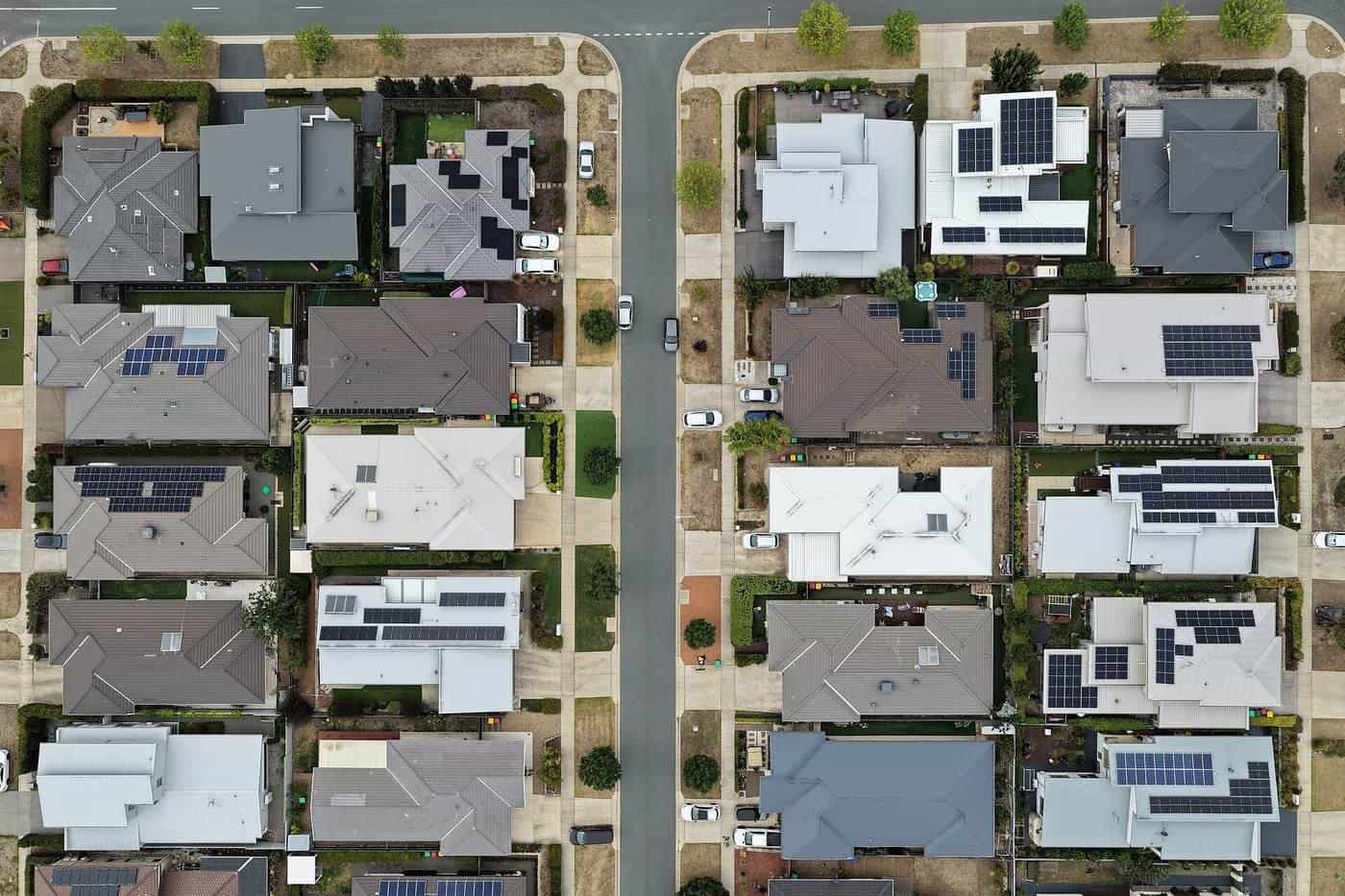
A home solar system is more than a set of panels. How the panels connect to your home, to the electricity grid and to any battery determines what the system can do, what it costs, how it behaves in a blackout and how it affects your bills. This section explains the main types of home solar systems and helps you work out which suits you.
Grid-connected
Most common
Solar plus the grid
Hybrid
Adds a battery
Stores solar for later
Off-grid
Fully independent
Batteries and backup
Guides in this section
- How rooftop solar works: from sunlight to the power point, explained step by step.
- Grid-connected solar: how a standard system works, exports, export limits and blackouts.
- Solar batteries and hybrid systems: what batteries do, sizing, backup, safety and the federal battery program.
- Off-grid solar: when it makes sense, how systems are designed and living with your own power supply.
Grid-connected systems
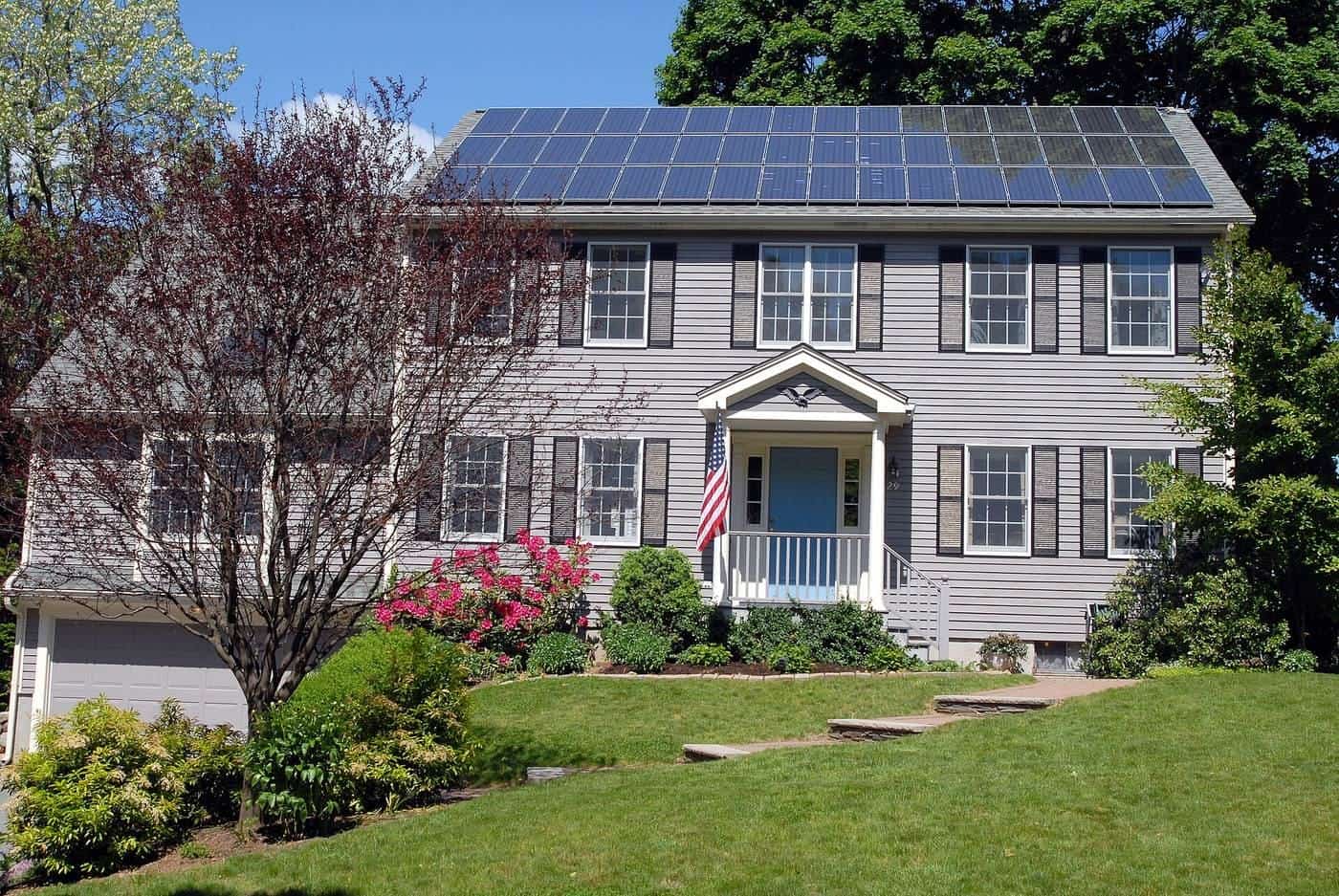
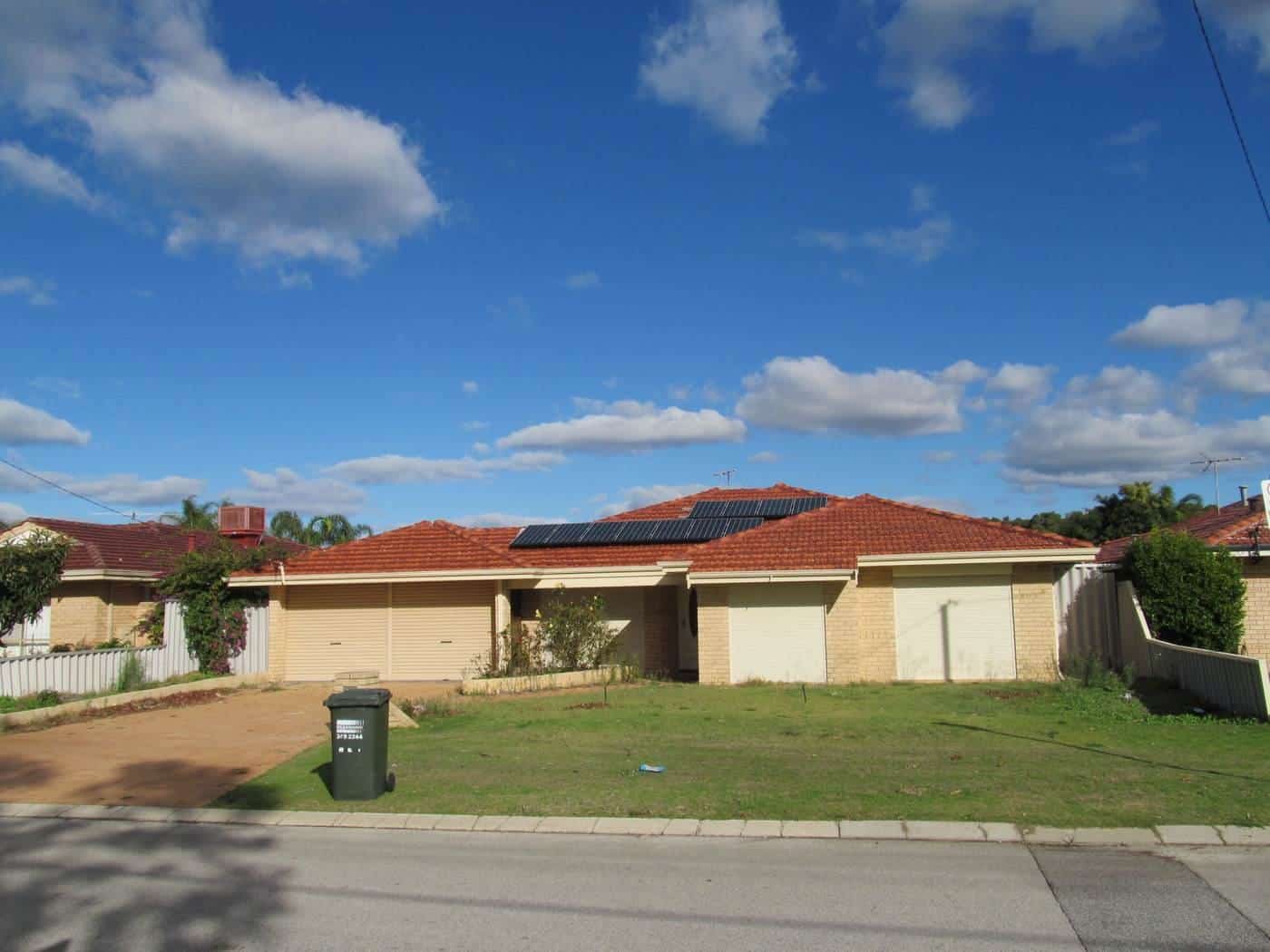
A grid-connected system is the most common type of home solar in Australia. Solar panels on the roof generate direct current (DC) electricity when sunlight falls on them. An inverter converts this to alternating current (AC), the type used by your appliances and the grid. Your home uses solar first, draws from the grid when solar isn't enough, and exports any surplus to the grid, usually earning a feed-in tariff.
A grid-connected system has no storage, so it can't supply your home at night. In most cases, it also shuts down during a blackout, because inverters must stop exporting to protect people working on the network.
Hybrid systems
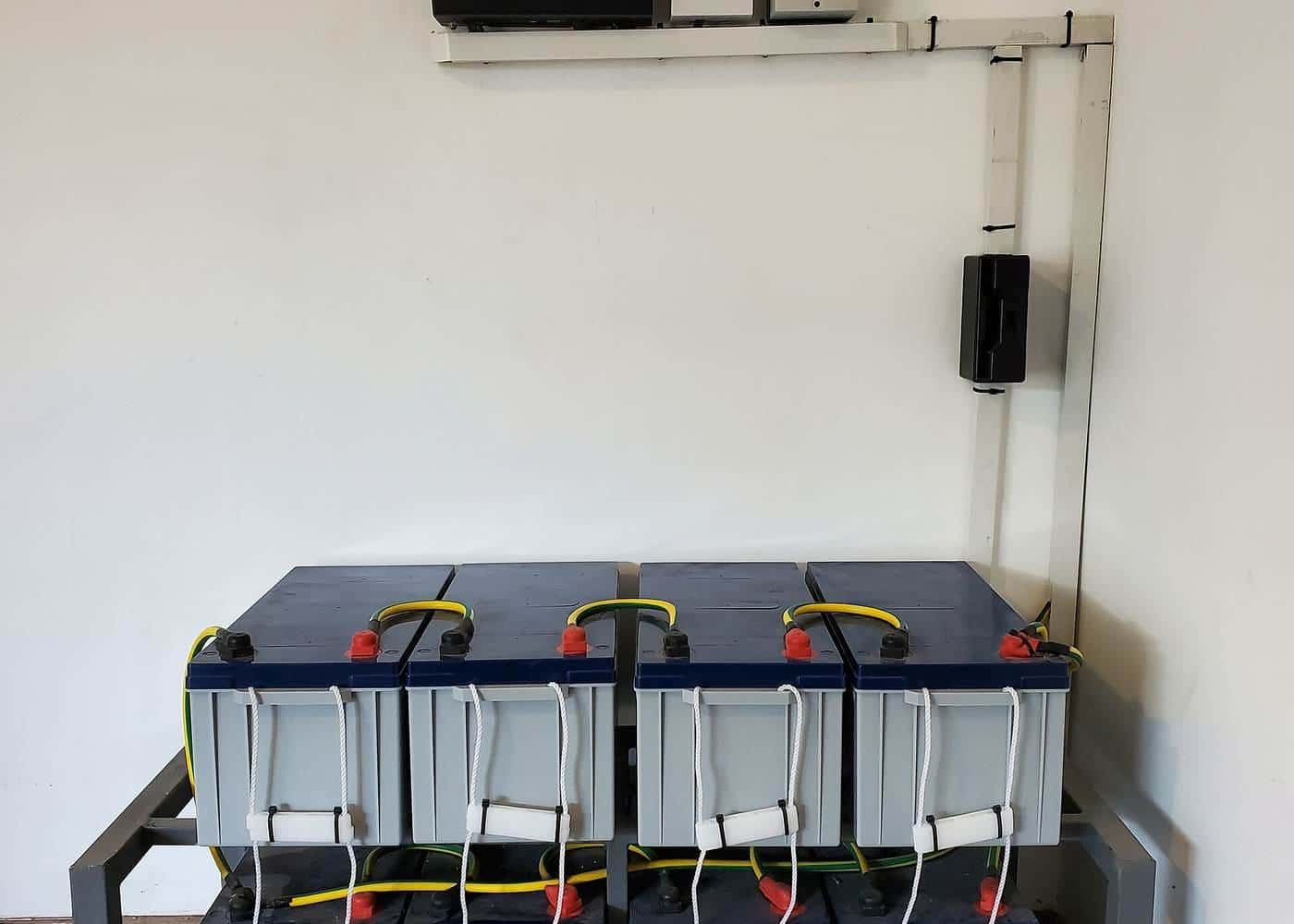
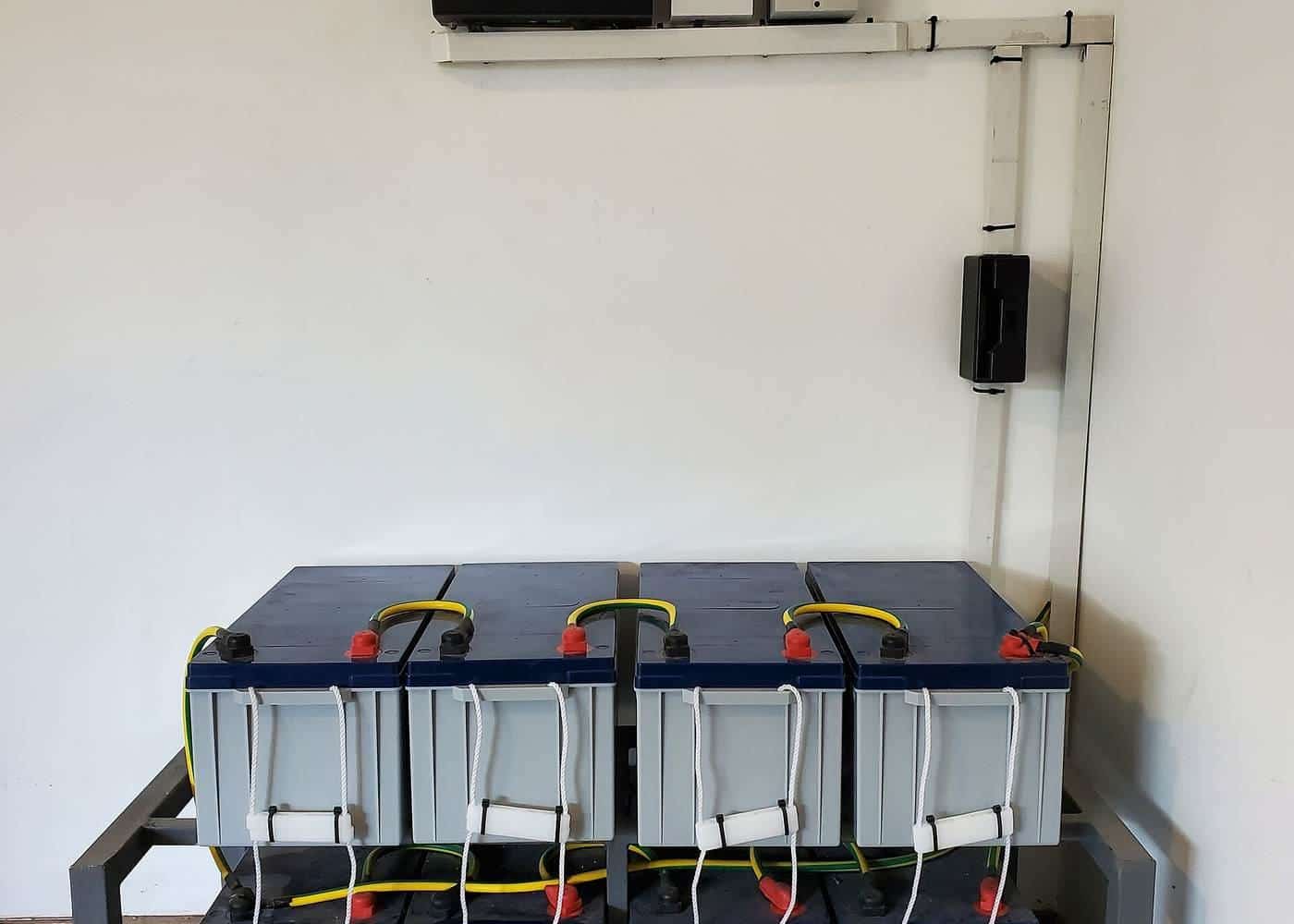
A hybrid system adds a battery. During the day, solar supplies the home and charges the battery; once the battery is full, surplus is exported. In the evening and overnight, the battery supplies the home until it runs low, then the grid takes over. Hybrid systems may use a single hybrid inverter that manages panels and battery, or a separate battery inverter added to an existing system. With the right equipment and wiring, some can supply backup power during a blackout.
Off-grid systems
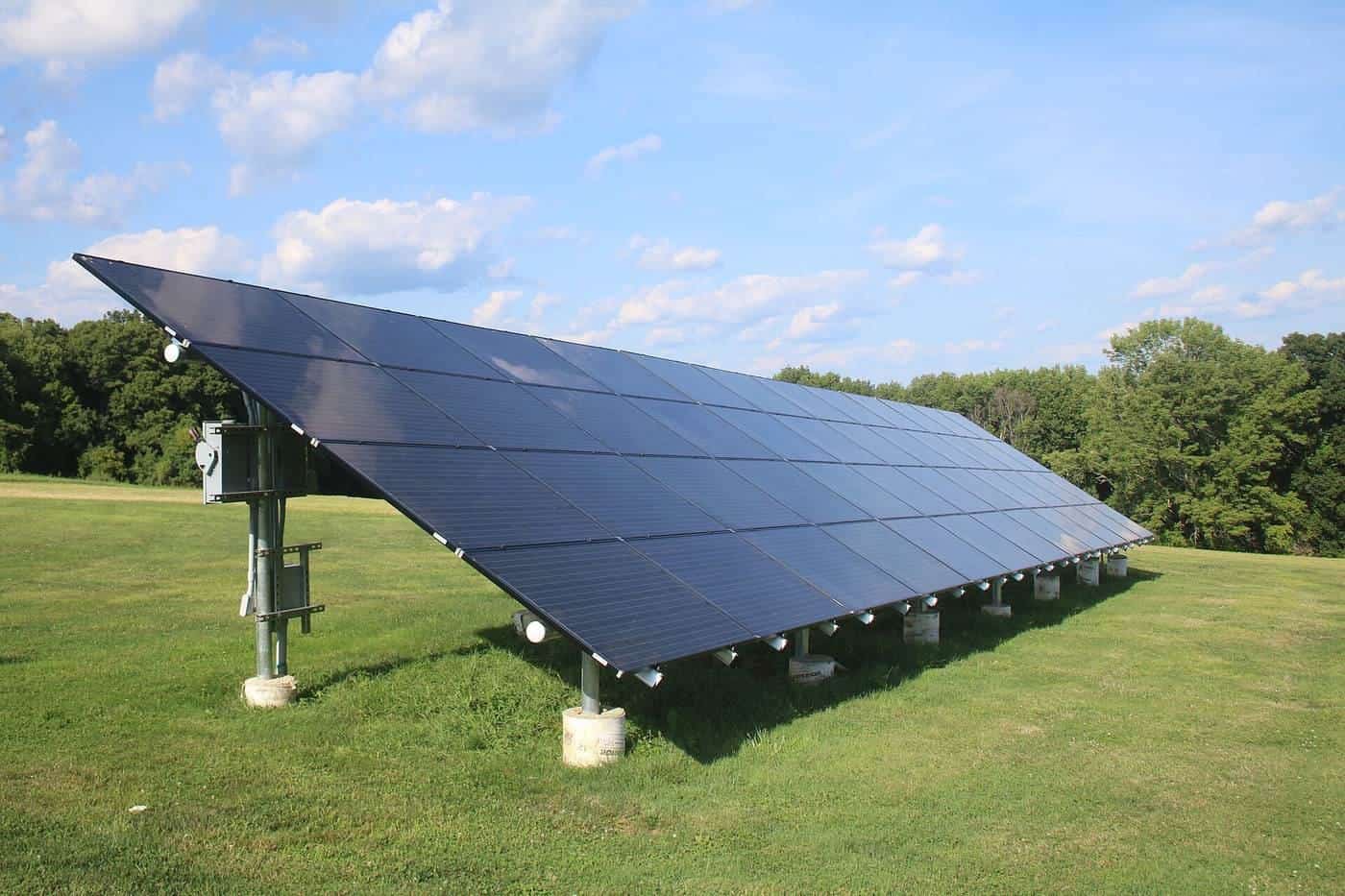
An off-grid system supplies a home with no grid connection. It needs enough solar and battery capacity to cover your usage through runs of cloudy days, and usually a backup generator. Off-grid systems are common on remote properties where a grid connection would be expensive or impractical. They require careful design and ongoing attention.
Which system suits you?
Most suburban households with a grid connection start with a grid-connected system, because it's the simplest and least expensive option. A battery may suit you if you use a lot of electricity in the evening, if your feed-in tariff is low, if you want backup power or if your network limits exports. Off-grid is usually considered only where there's no grid nearby, or connecting would be very expensive.
Your usage pattern is the key. Households that are home during the day can use more solar directly, while those who are out all day export more and may get more value from a battery or from shifting usage with timers. Your retailer or distributor can give you interval data showing when you use electricity.
Sizing and design
System size is measured in kilowatts (kW) of panel capacity. Battery size is measured in kilowatt-hours (kWh) of storage. The right size depends on your usage, your roof, your budget and your network's rules on how much you can connect and export. Many networks set limits on inverter size or export for single-phase homes. An accredited designer should assess your home and design a system that complies with Australian Standards and network rules. Try our size estimator for a rough starting point.
Government support
The federal Small-scale Renewable Energy Scheme provides an upfront discount on eligible solar systems, solar water heaters, heat pumps and small wind and hydro systems through small-scale technology certificates (STCs). Eligible batteries are supported through the Cheaper Home Batteries Program, which also works through STCs. Some states and territories offer their own programs, such as loans or rebates. Read our guide to rebates and STCs.
Other ways to use solar
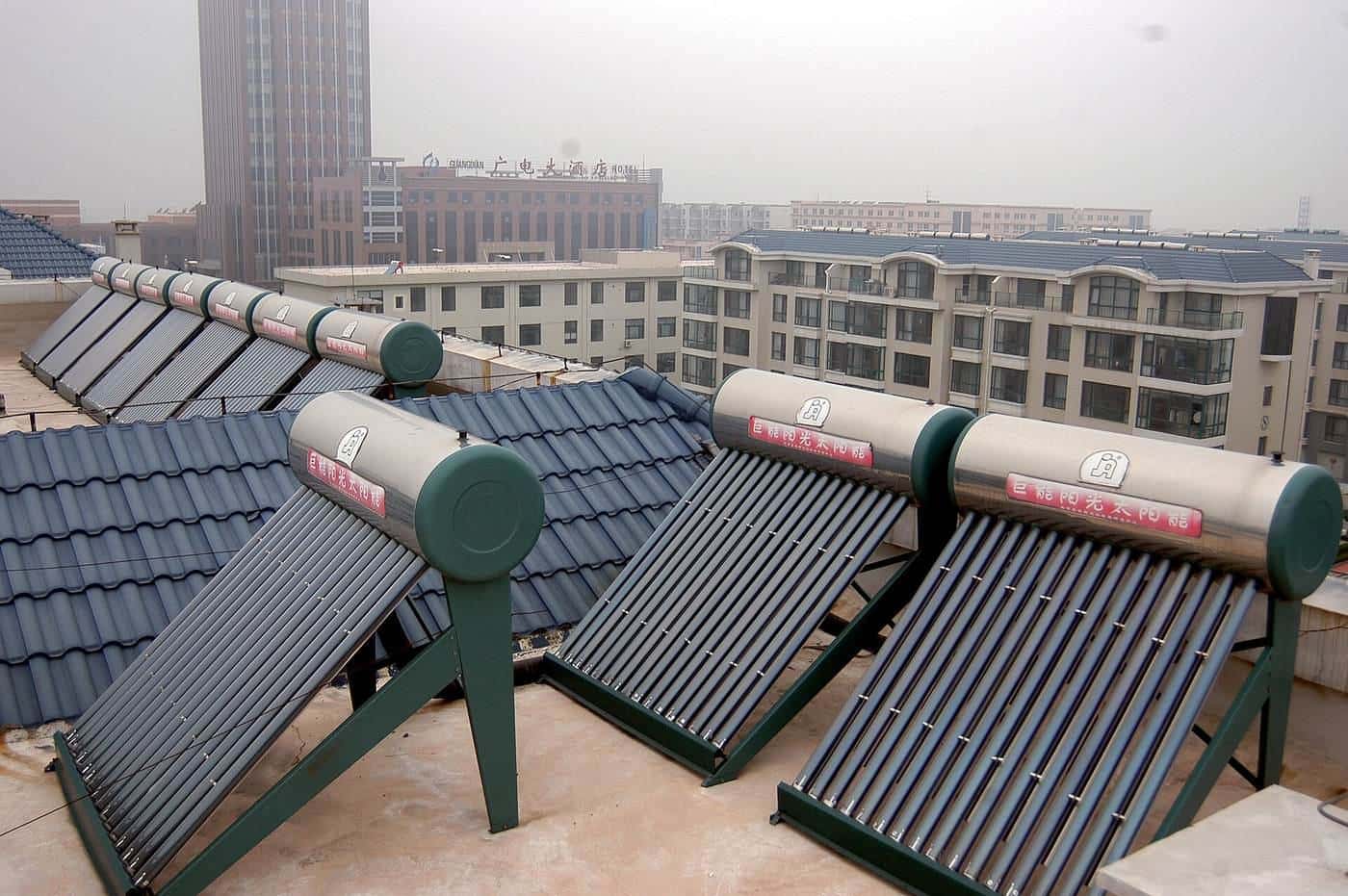
Solar panels aren't the only way to use the sun at home. Solar water heaters use roof collectors to heat water directly, and heat pump water heaters can run on solar electricity. Passive solar design, such as orienting living areas to the north and using eaves to shade summer sun, reduces heating and cooling needs. The Your Home guide covers these approaches in detail.
Renting and apartments
Solar is harder for renters and apartment residents, but not impossible. Some landlords install solar, and some states have programs that encourage it. In apartment buildings, owners corporations may install shared systems. Community solar projects and solar-friendly retail offers are other options. Talk to your landlord or strata committee.
Key points
Grid-connected systems are the simplest and most common. Hybrid systems add a battery to store solar for the evening and may offer backup. Off-grid systems suit remote homes. Your usage pattern, roof, budget and network rules all shape the right choice, so get a site assessment from an accredited designer.
Guides in this section
Solar systems
How rooftop solar works
How home solar works in plain English: solar cells, panels, inverters, the switchboard, the meter, exports and why timing matters for your bill.
Read · 7 min
Solar systems
Grid-connected solar
How grid-connected home solar works: connection approval, export limits, single and three-phase supply, blackouts and value.
Read · 6 min
Solar systems
Solar batteries and hybrid systems
Home solar batteries explained: how they work, capacity and power, backup, safety rules, sizing and the Cheaper Home Batteries Program.
Read · 6 min
Solar systems
Off-grid solar
Off-grid solar for Australian homes: when it makes sense, system design, batteries, backup generators, winter planning and daily life.
Read · 6 min
Frequently asked questions
What's the difference between grid-connected and off-grid solar?
A grid-connected system works alongside the electricity grid, drawing power when solar isn't enough and exporting surplus. An off-grid system isn't connected to the grid and relies on solar, batteries and usually a backup generator.
What is a hybrid solar system?
A hybrid system is a grid-connected system with a battery. Solar powers the home, charges the battery, and any remaining surplus is exported. The battery supplies the home in the evening or at night.
Does grid-connected solar work in a blackout?
Usually not. Standard grid-connected inverters must shut down during a grid outage for safety. Some systems with a battery and suitable equipment can supply backup power to selected circuits.
Can I add a battery later?
Often, yes. You may need a battery inverter or to replace your existing inverter with a hybrid model. Ask installers to check compatibility.
Sources and further reading
Facts on this page were checked against these primary and official sources. Conditions change — confirm before you travel or buy.
- Solar PV systems — Your Home, Australian Government
- Small-scale Renewable Energy Scheme — Clean Energy Regulator
- Cheaper Home Batteries Program — DCCEEW
- Energy Made Easy — Australian Energy Regulator