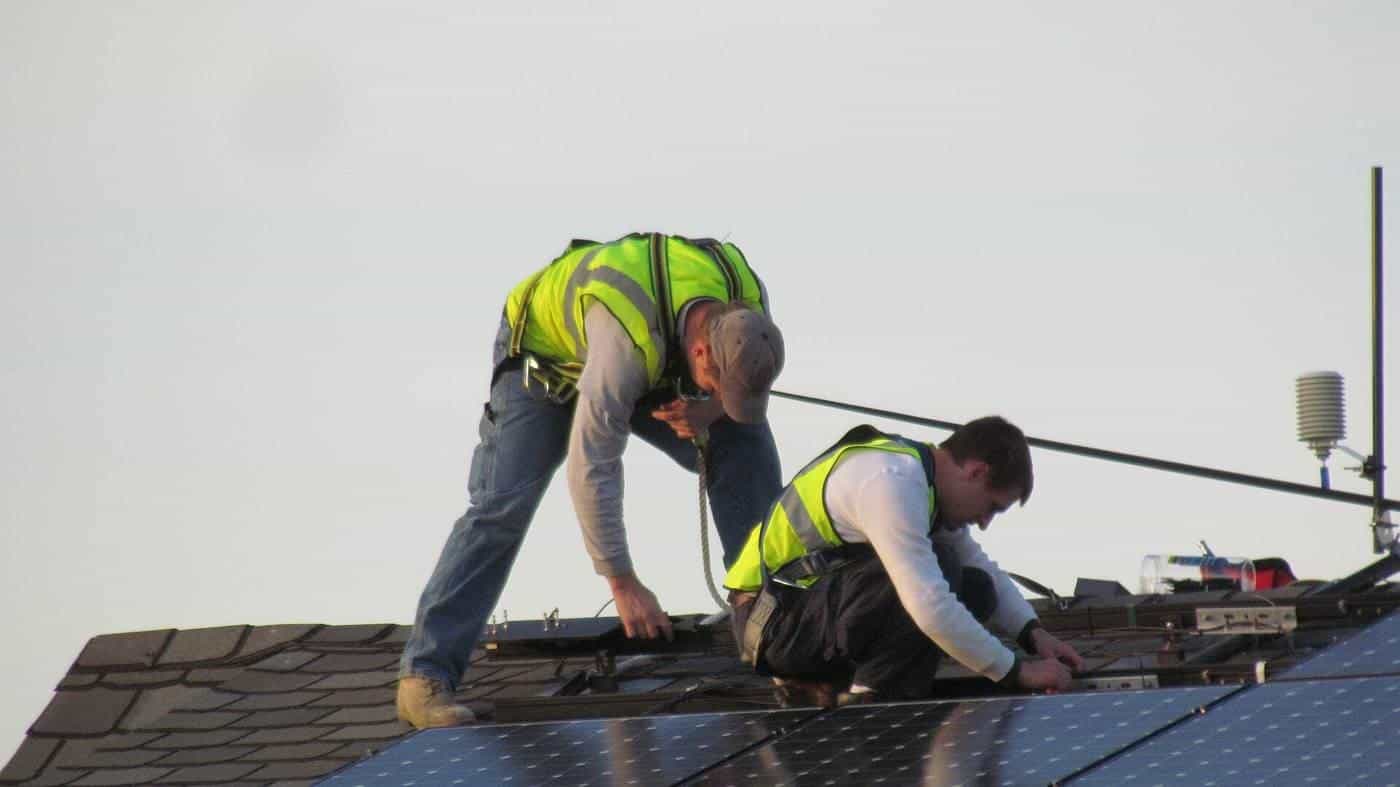
Buying solar is a significant decision. Systems last many years, prices and quality vary, and the details of design, products, installation and paperwork all matter. This section walks you through the buying process, from understanding your usage to comparing quotes, choosing an installer, claiming the federal discount and getting the most from your feed-in tariff.
SAA
Accredits installers
Required for STCs
STCs
Upfront discount
Solar and batteries
Retailers
Set feed-in tariffs
Compare offers
Guides in this section
- Getting solar quotes: what a good quote includes and how to compare them fairly.
- Choosing an installer: accreditation, licensing, retailers, contracts and red flags.
- Rebates and STCs: how the federal scheme and battery program work, plus state programs.
- Feed-in tariffs and bills: how exports are paid, choosing a plan and using more of your solar.
The buying process
Most solar purchases follow a similar path. First, you work out your goals and gather your electricity bills and usage data. Next, you contact a few installers or retailers, who assess your roof, often using satellite imagery followed by a site visit, and propose a design. You compare quotes, choose a provider and sign a contract. The installer applies to your electricity distributor for approval to connect, installs the system and completes the paperwork, including the certificate of electrical safety and the STC claim. Your meter may need to be reconfigured or replaced, after which your system can begin exporting.
Understand your usage first
Before asking for quotes, look at your electricity bills to see how much you use in a typical day and how this changes through the year. If you can, download interval data from your retailer or distributor, which shows when you use electricity. This helps installers recommend the right size of system and tells you whether a battery might be worthwhile. Our size estimator turns your usage into a rough system size.
Retailers and installers
Some companies both sell and install solar using their own staff; others sell systems and use subcontracted installers. Either can work well. What matters is that the system is designed and installed by people accredited by Solar Accreditation Australia, that electrical work is done by a licensed electrician, and that the company stands behind the job. The New Energy Tech Consumer Code sets standards for businesses selling solar and batteries, and some government programs require sellers to be signatories.
Avoiding pressure selling
Be cautious of door-to-door salespeople, cold calls, offers of "free" solar and deals that expire today. Take time to compare and read the contract. If you agree to buy from an unsolicited salesperson, Australian Consumer Law gives you a cooling-off period during which you can cancel, and sets rules on when sellers can call and what they must tell you.
Paying for solar
Most people pay for solar upfront, with the STC discount applied to the price. Some retailers offer finance or payment plans, and some states have offered interest-free loans. Check the total cost, interest, fees and terms of any finance carefully, and compare it with the cash price. Some finance arrangements cost more overall than paying cash, so read the fine print.
Getting connected
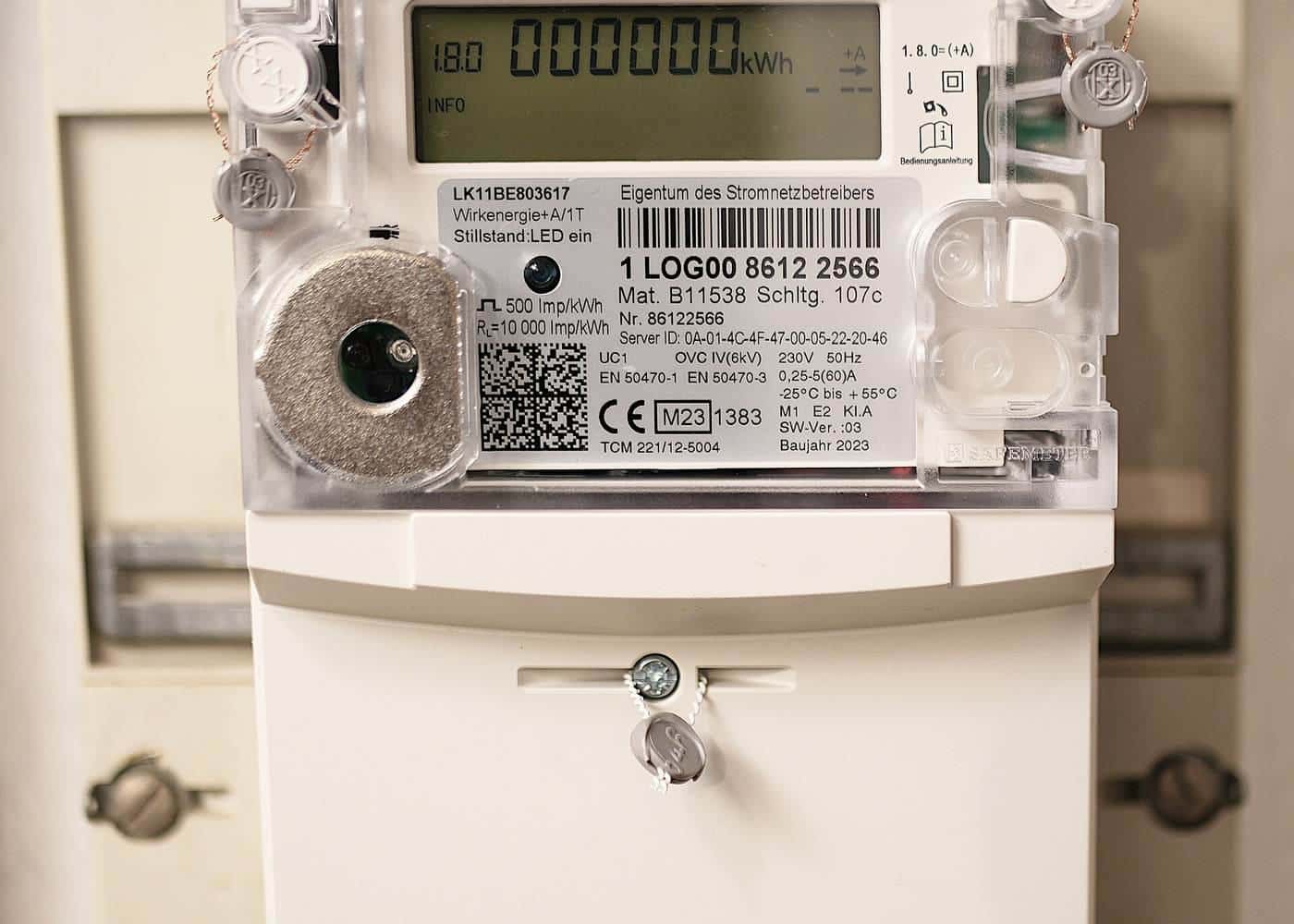
Before your system can be connected, your installer must apply to your electricity distributor, the company that owns the poles and wires in your area. The distributor checks that the network can accept your system and may limit how much it can export. After installation, you receive a certificate of electrical safety or equivalent, and your meter may need to be changed. Contact your retailer to make sure you're on a plan with a feed-in tariff.
After installation
When your system is installed, the installer should hand over documentation including the system design, product datasheets and warranties, a commissioning record, shutdown instructions and the electrical safety certificate. Keep these safe. Learn how to read your monitoring app and check it regularly. Read our guide to monitoring and maintenance.
Common questions before buying
People often ask whether to wait for better technology or bigger rebates. Solar technology improves gradually, and the federal discount for solar declines slowly each year, so waiting rarely brings a dramatic benefit. The best time to buy is when you've done your research and found a quote you're confident in.
Strata and rentals
If you live in an apartment, townhouse or rental, you will usually need approval from your owners corporation or landlord before installing solar. Raise it early, as approvals can take time.
Key points
Know your usage before you ask for quotes, compare detailed quotes from accredited providers, read the contract and be wary of pressure selling. Check how the STC discount is applied, make sure your distributor approves the connection, and choose an electricity plan that suits a solar household.
Guides in this section
Buying and installing
Getting solar quotes
How to get and compare home solar quotes: preparing usage data, what a good quote includes, comparing designs and warning signs.
Read · 5 min
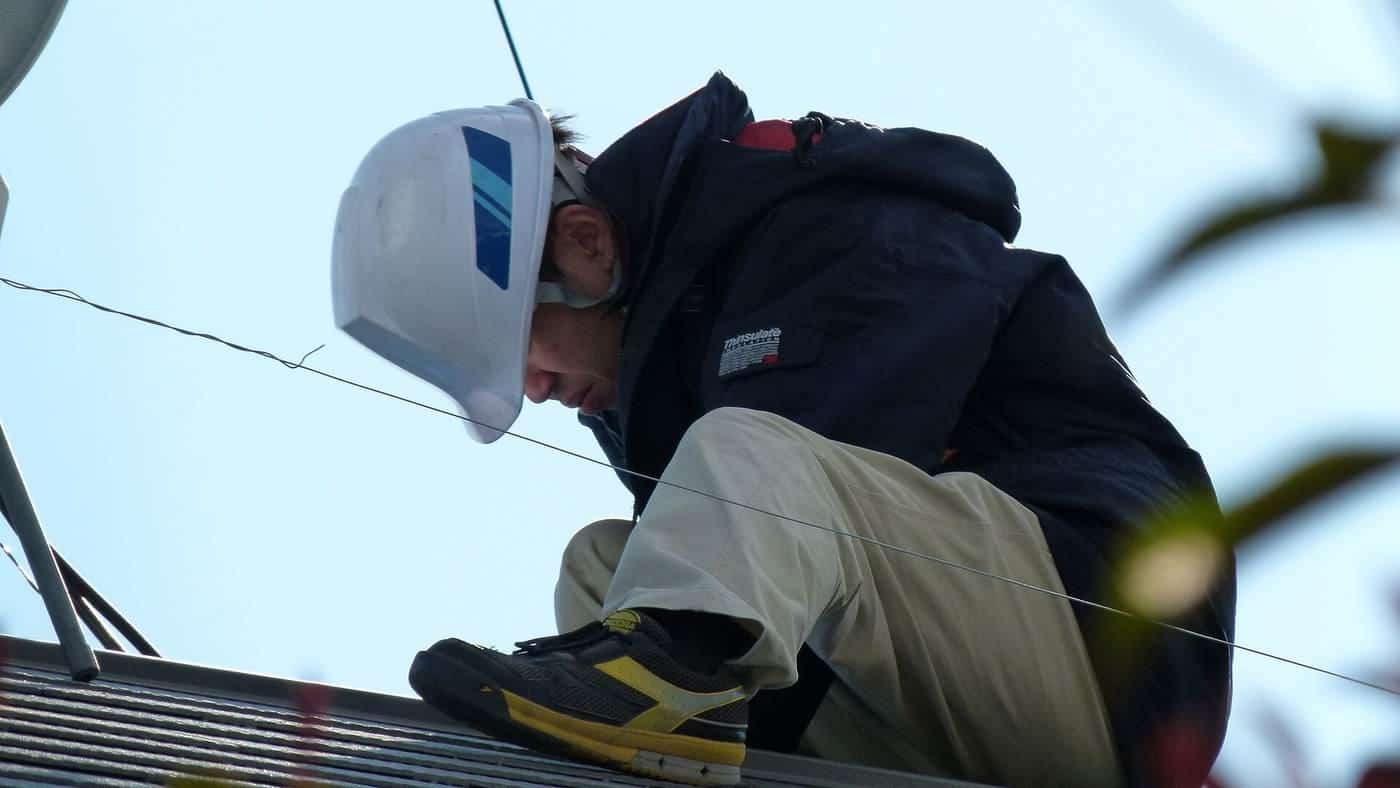
Buying and installing
Choosing a solar installer
How to choose a solar installer: SAA accreditation, licensed electricians, the New Energy Tech Consumer Code and red flags.
Read · 5 min
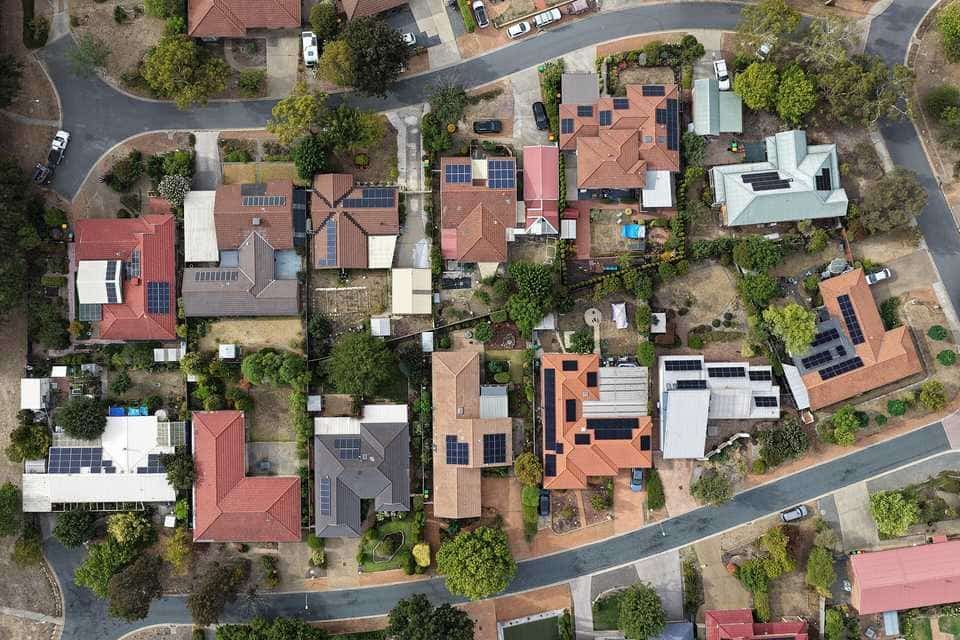
Buying and installing
Solar rebates and STCs
How the federal solar discount works: STCs, the SRES, the Cheaper Home Batteries Program, deeming and state programs.
Read · 5 min
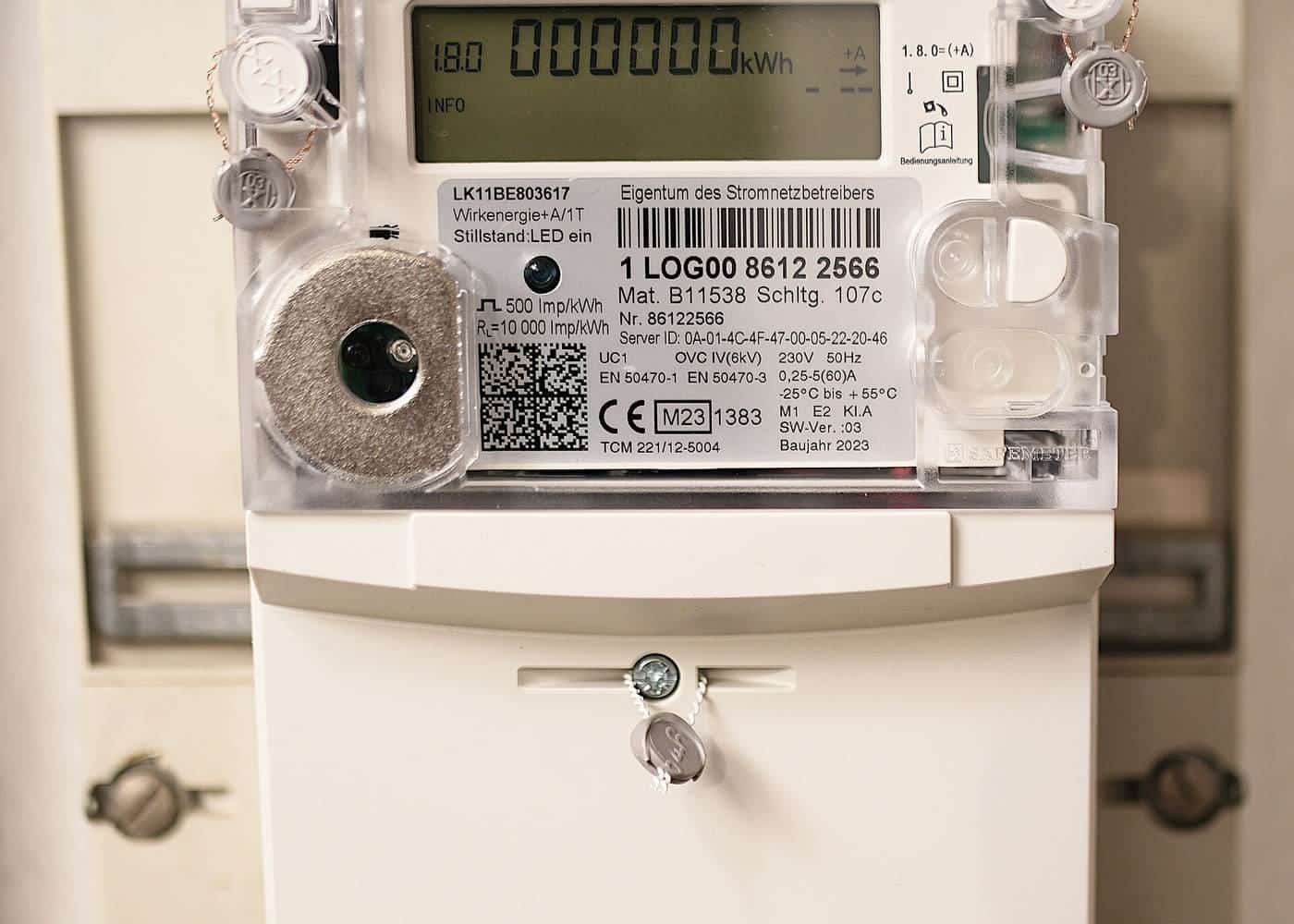
Buying and installing
Feed-in tariffs and bills
How solar feed-in tariffs work in Australia, reading a solar bill, time-of-use and export charges, and choosing the right plan.
Read · 5 min
Frequently asked questions
How many quotes should I get?
Getting more than one quote lets you compare designs, products, warranties and prices. Make sure each quote is based on a proper assessment of your roof and usage.
What is an STC?
A small-scale technology certificate. Eligible solar, battery and other small systems can create STCs under the Small-scale Renewable Energy Scheme. Most people assign them to their installer or retailer in exchange for an upfront discount.
What is a feed-in tariff?
The amount your electricity retailer credits you for each kilowatt-hour of solar you export to the grid. Rates vary between retailers and offers, and can change.
Can I cancel a solar contract?
If you signed an agreement with an unsolicited salesperson, such as a door-to-door or phone seller, Australian Consumer Law gives you a cooling-off period. Read the contract carefully before signing in any case.
Do I need approval to connect solar?
Yes. Your installer usually applies to your electricity distributor for approval to connect, and the distributor may set limits on system or export size.
Sources and further reading
Facts on this page were checked against these primary and official sources. Conditions change — confirm before you travel or buy.
- Small-scale Renewable Energy Scheme — Clean Energy Regulator
- Solar battery installers and designers — Clean Energy Regulator
- Energy Made Easy — Australian Energy Regulator
- Unsolicited selling — ACCC