Not every roof is equally suited to solar. How a roof faces, how steep it is, what shades it, what it's made of and what condition it's in all affect how much a system can produce, how it should be mounted and how much the installation will cost. A good installer assesses all of these before proposing a design. Knowing what they're looking for helps you judge whether a quote has been properly thought through.
North
Best overall
Most annual energy
East/West
Morning, afternoon
Spreads generation
Shade
Biggest enemy
Assess year-round
Orientation
In the southern hemisphere, the sun is in the northern part of the sky for most of the day, so north-facing panels generally produce the most energy over a year. East-facing panels produce more in the morning and west-facing panels more in the afternoon. A combination of east and west faces produces a little less energy in total than all-north, but spreads generation across the day, which can suit households that use more electricity in the morning or late afternoon.
South-facing panels produce noticeably less, especially in winter, and are usually avoided unless other faces are unavailable and the roof pitch is low.
Tilt
The tilt of panels affects how much sun they capture through the year. Most panels on pitched roofs simply follow the roof's angle, which for typical Australian roofs works well. Steeper tilts favour winter production, when the sun is lower; flatter tilts favour summer. On flat roofs, tilt frames can angle panels toward the sun. Very flat panels collect more dust because rain washes them less effectively.
Shade
Shade is one of the biggest causes of poor solar performance. Trees, neighbouring buildings, chimneys, vents, aerials and even power lines can cast shadows that move across the roof through the day and year. Because panels in a string are linked, shade on part of one panel can reduce output from others too. Trees also grow, so a sunny roof today may be shaded in a few years.
A good installer assesses shading for different times of day and year, often using software and sun-path tools, and designs the layout to avoid shade or uses microinverters or optimisers to limit its impact. Ask how they assessed shading on your roof.
Roof space
The available area determines how many panels fit. Installers must leave setbacks from roof edges and ridges in some cases, keep clear of vents and skylights, and leave access paths. Complex roofs with many small faces, hips and valleys fit fewer panels than simple roofs of the same area. Our size estimator shows roughly how much roof area a system needs, based on panel dimensions you enter.
Roof types
Solar can be installed on most common Australian roof types, using mounting hardware designed for each:
- Metal roofs such as corrugated or trimdeck steel are generally the easiest, with brackets fixed through or clamped to the sheeting.
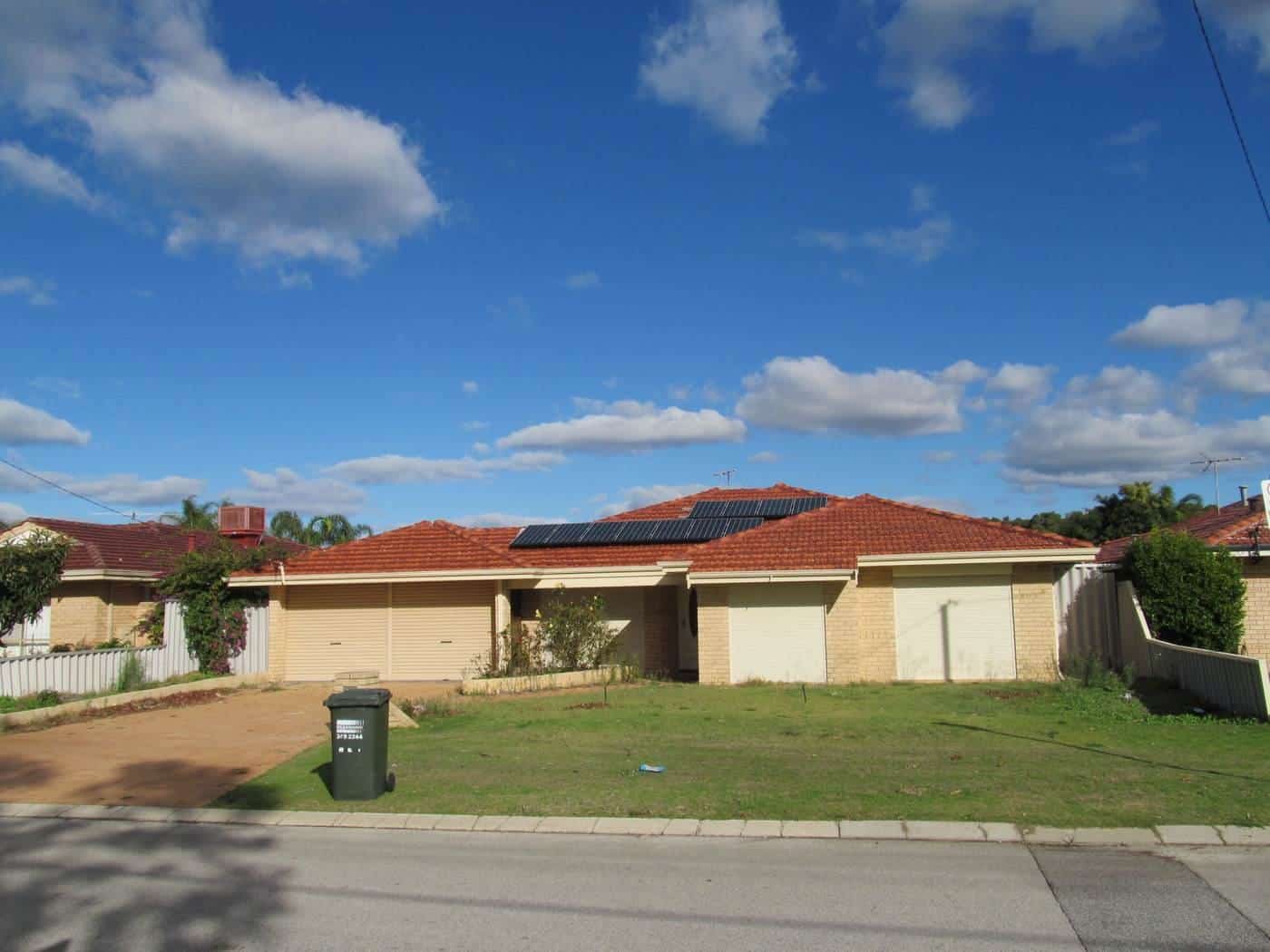
- Concrete and terracotta tiles require tile hooks fixed to the rafters beneath, with tiles carefully notched or replaced. Terracotta tiles are brittle and need extra care.
- Slate roofs are fragile and need specialist installers.
- Flat or low-pitch roofs often use tilt frames or ballasted systems.
- Older roofs with asbestos-containing materials must not be drilled or disturbed without appropriate assessment and controls. Get advice before any work.
Roof condition
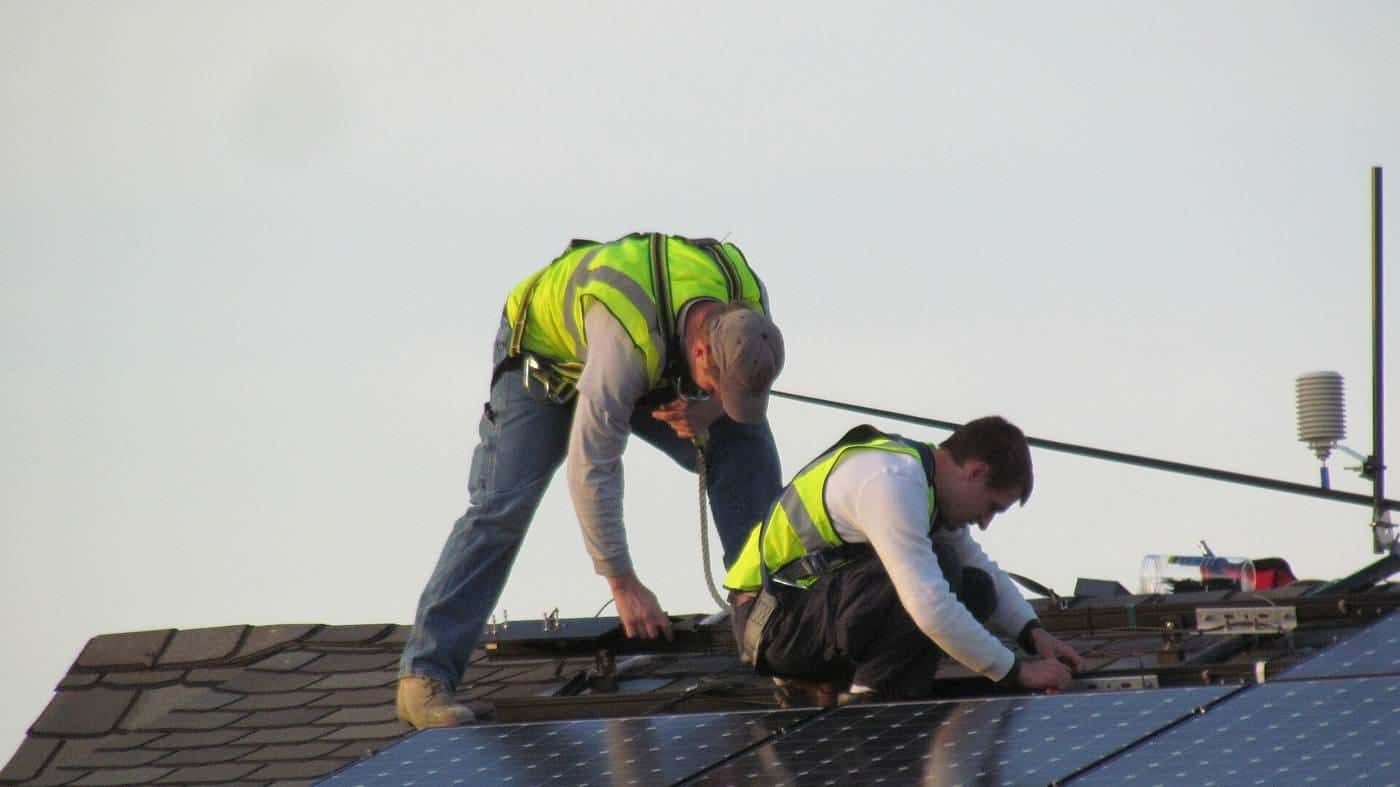
Panels may stay on your roof for decades. If your roof is old, damaged or due for replacement, it's generally better to repair or replace it before installing solar, because removing and reinstalling panels later adds significant cost. Ask the installer to inspect the roof structure and covering and to flag any concerns. Check that the structure can carry the added weight of the panels and mounting.
Mounting systems
Mounting systems usually consist of rails fixed to the roof with brackets or hooks, with panels clamped to the rails. The system must be rated for the wind conditions at your site, which depend on your region, the terrain, the height of the building and the location of the panels on the roof. Areas near roof edges and corners experience higher wind loads. In cyclone-prone regions, stricter requirements apply.
Ask your installer to confirm that the mounting system is certified for your wind region and roof type, and that it will be installed according to the manufacturer's instructions. Poorly fixed panels can damage the roof or come loose in storms.
Waterproofing
Every fixing through a roof is a potential leak. Installers must seal penetrations properly and avoid cracking tiles. Cable entries must be weatherproof. Ask about the installer's workmanship warranty, and check the roof after the first heavy rain.
Ground mounts and other options
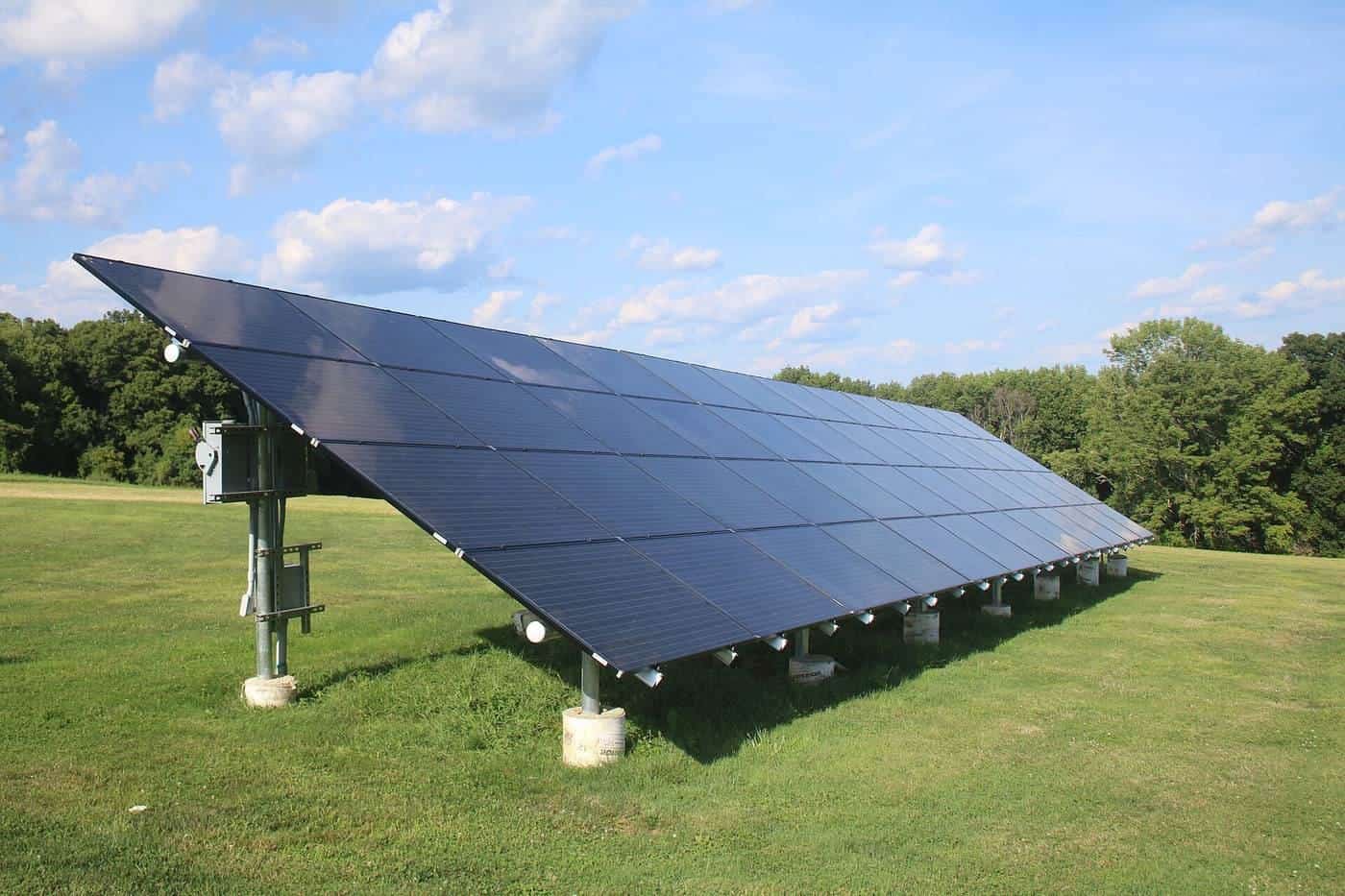
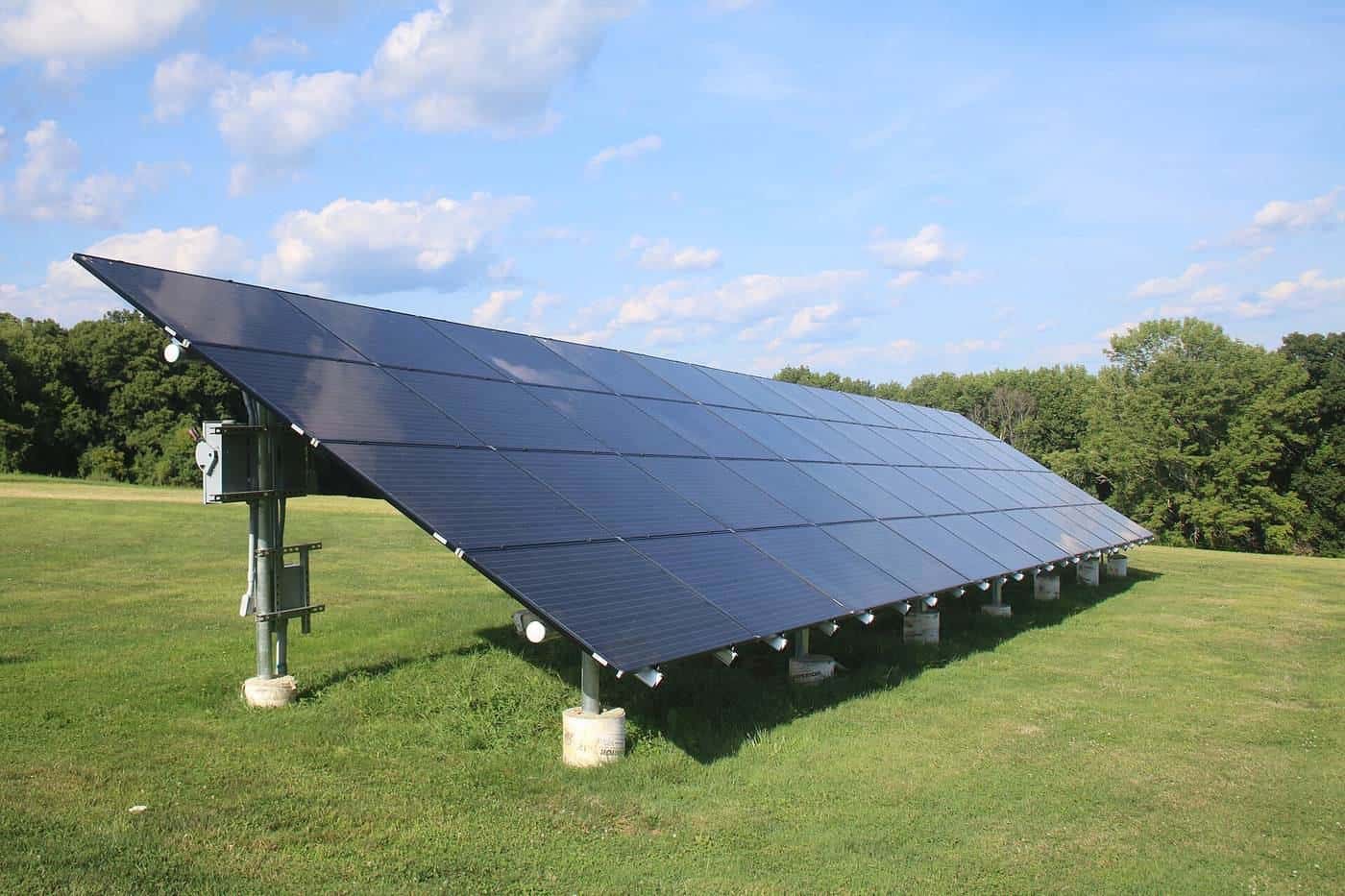
If your roof isn't suitable, ground-mounted arrays, carports, pergolas and sheds can host panels. Ground mounts make it easy to choose the ideal orientation and tilt and to clean panels, but need space, footings, trenching for cables and protection from damage. They're common on rural properties and off-grid systems. Check local planning rules before installing ground-mounted or freestanding arrays.
Planning, heritage and strata
In most areas, rooftop solar on a house doesn't need planning approval if it meets certain conditions, but rules vary between states and councils. Heritage-listed properties and homes in heritage overlays may need approval, and panels may need to be placed out of view from the street. In apartments and townhouses, the owners corporation's approval is usually required for work on common property, including roofs. Check with your council or strata manager before signing a contract.
Safety during installation
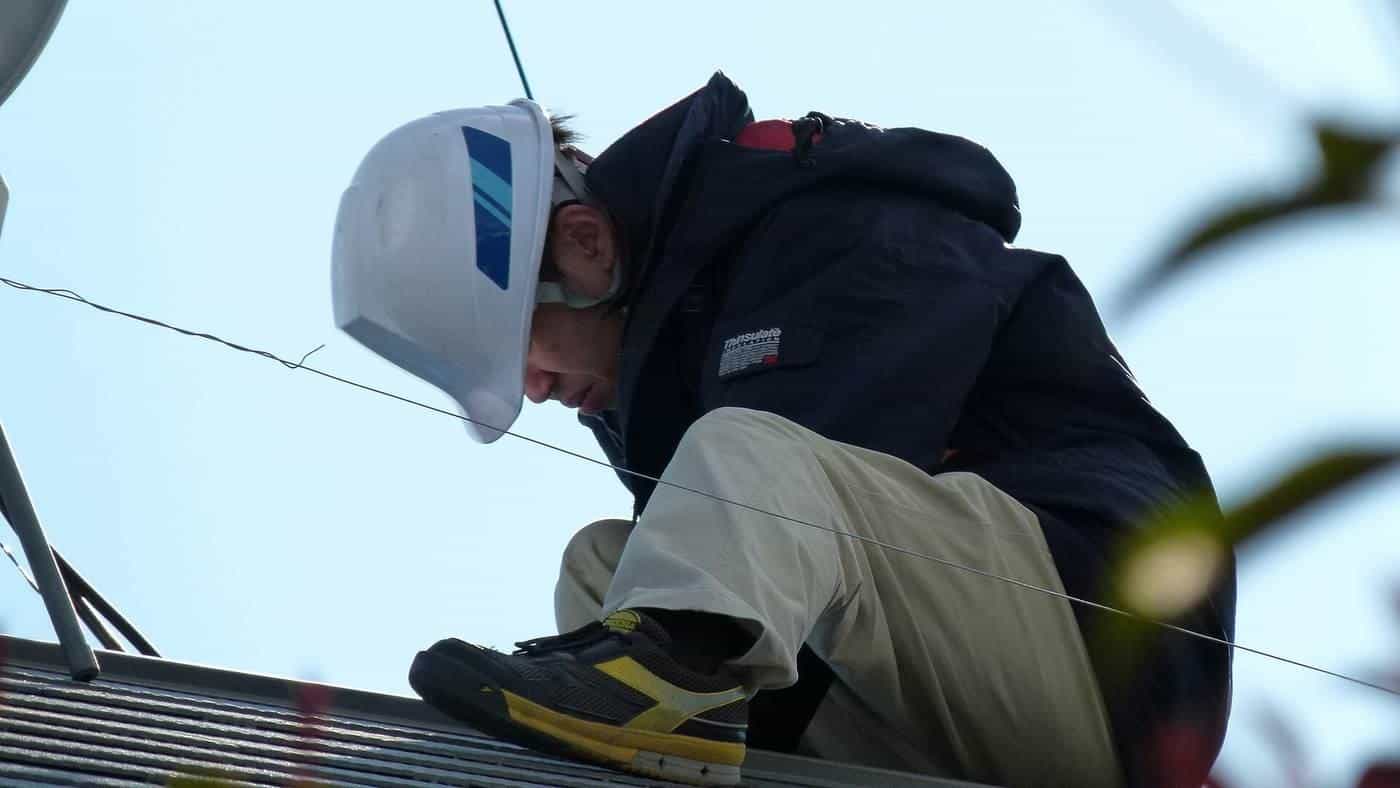
Working on roofs is dangerous. Installers must follow work health and safety requirements, including fall protection such as edge protection, scaffolding or harness systems. If an installer turns up with no visible safety equipment, that's a red flag.
Questions to ask about your roof
- Which roof faces will you use, and why?
- How did you assess shading, and how will it affect output?
- Is my roof in good enough condition for solar?
- What mounting system will you use, and is it rated for my wind region?
- How will you protect tiles and seal penetrations?
- Do I need council, heritage or strata approval?
Roof access and future work
Panels make some future roof work harder, such as replacing tiles, cleaning gutters or installing skylights. Think about whether you'll need access to particular areas, and leave space where needed.
Coastal and harsh environments
Near the coast, salt spray can corrode fixings and frames over time. In these areas, ask about mounting hardware and panels rated for corrosive environments, and plan for more frequent checks.
Battery and inverter locations
While assessing your roof, the installer will also look for a suitable inverter location and, if needed, a compliant battery location, ideally close to the switchboard.
Key points
North-facing, unshaded roofs in good condition are ideal, but east and west faces work well too. Shade can greatly reduce output, so make sure it's properly assessed. Fix old roofs first, use mounting rated for your wind region and roof type, and check planning, heritage and strata rules before you sign.
Frequently asked questions
Which direction should solar panels face in Australia?
North-facing panels generally produce the most energy over a year. East- and west-facing panels produce a little less in total but more in the morning or afternoon, which can suit some households.
Can solar go on a flat roof?
Yes. Panels can be mounted on tilt frames to angle them toward the sun, or laid at a low angle. Some tilt helps rain wash panels clean.
Should I replace my roof before installing solar?
If your roof is old or needs repairs, it's usually better to fix it first. Removing and reinstalling panels later adds cost.
Does shade matter?
Yes. Even partial shade can significantly reduce output. A good installer will assess shading through the day and year.
Can solar damage my roof?
A proper installation shouldn't. Poor installation, such as cracked tiles or badly sealed penetrations, can cause leaks. Use accredited installers and check workmanship warranties.
Sources and further reading
Facts on this page were checked against these primary and official sources. Conditions change — confirm before you travel or buy.
- Solar PV systems — Your Home, Australian Government
- Passive design orientation — Your Home, Australian Government
- Solar battery installers and designers — Clean Energy Regulator
- Bureau of Meteorology climate data — Bureau of Meteorology