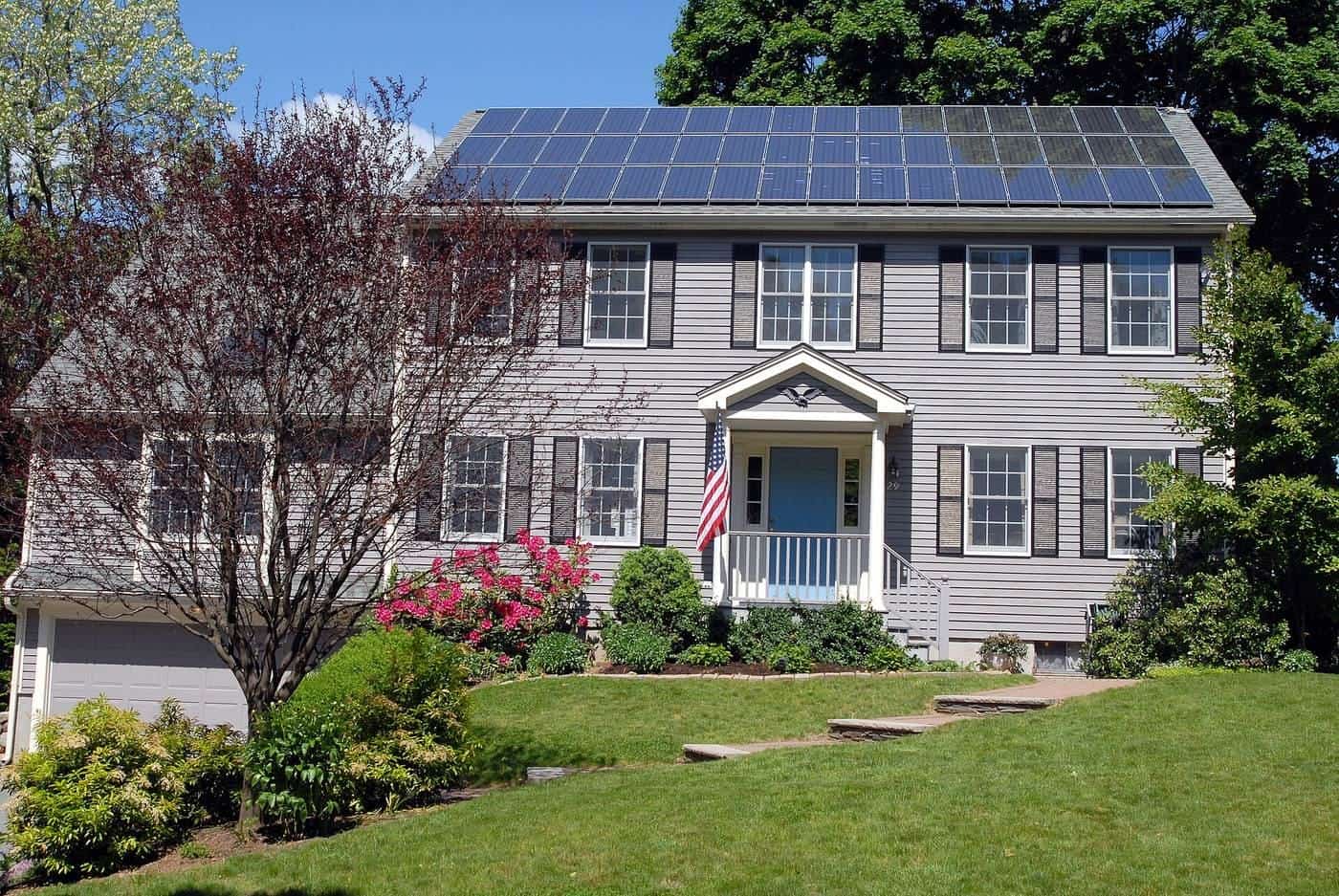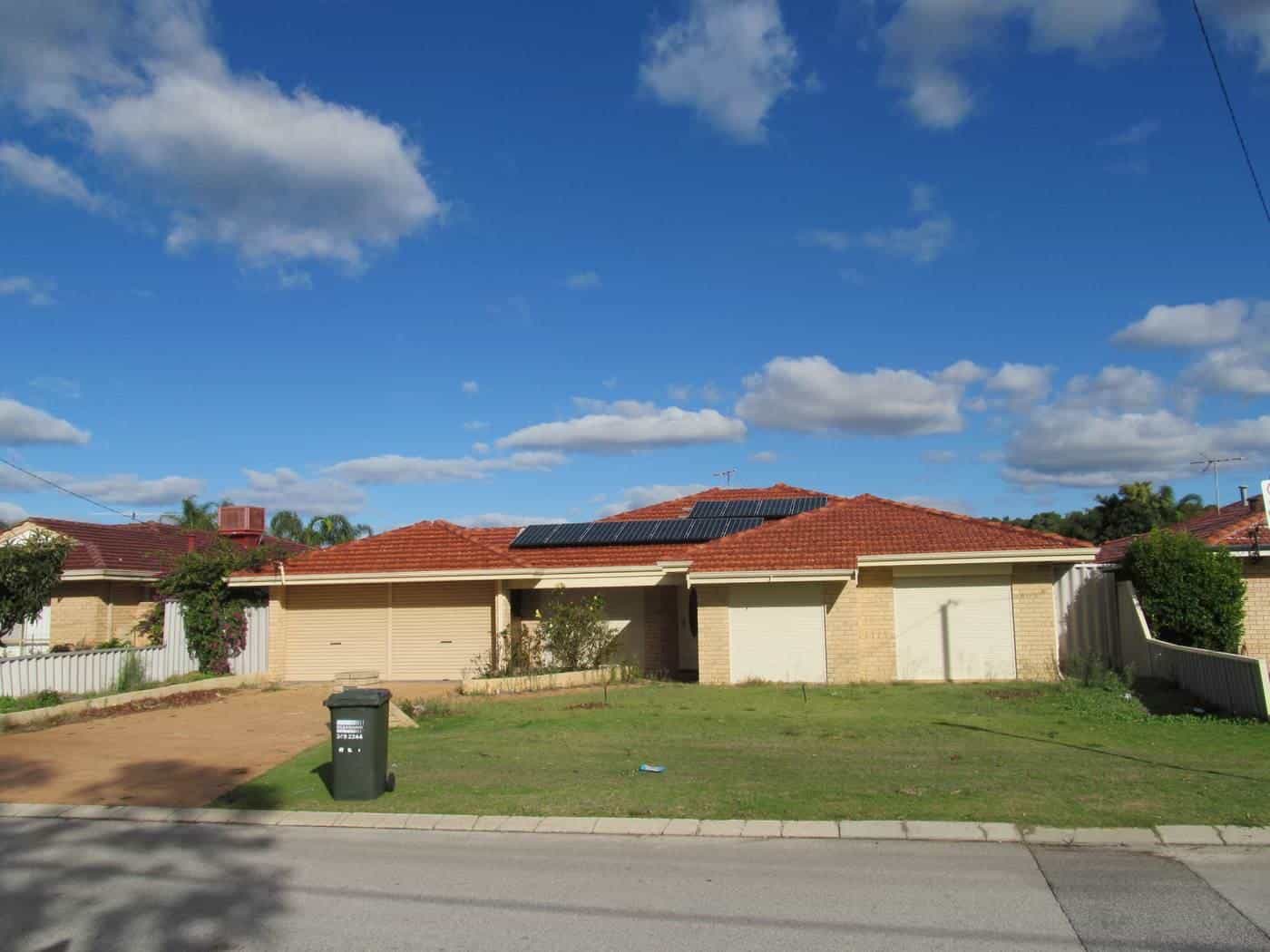
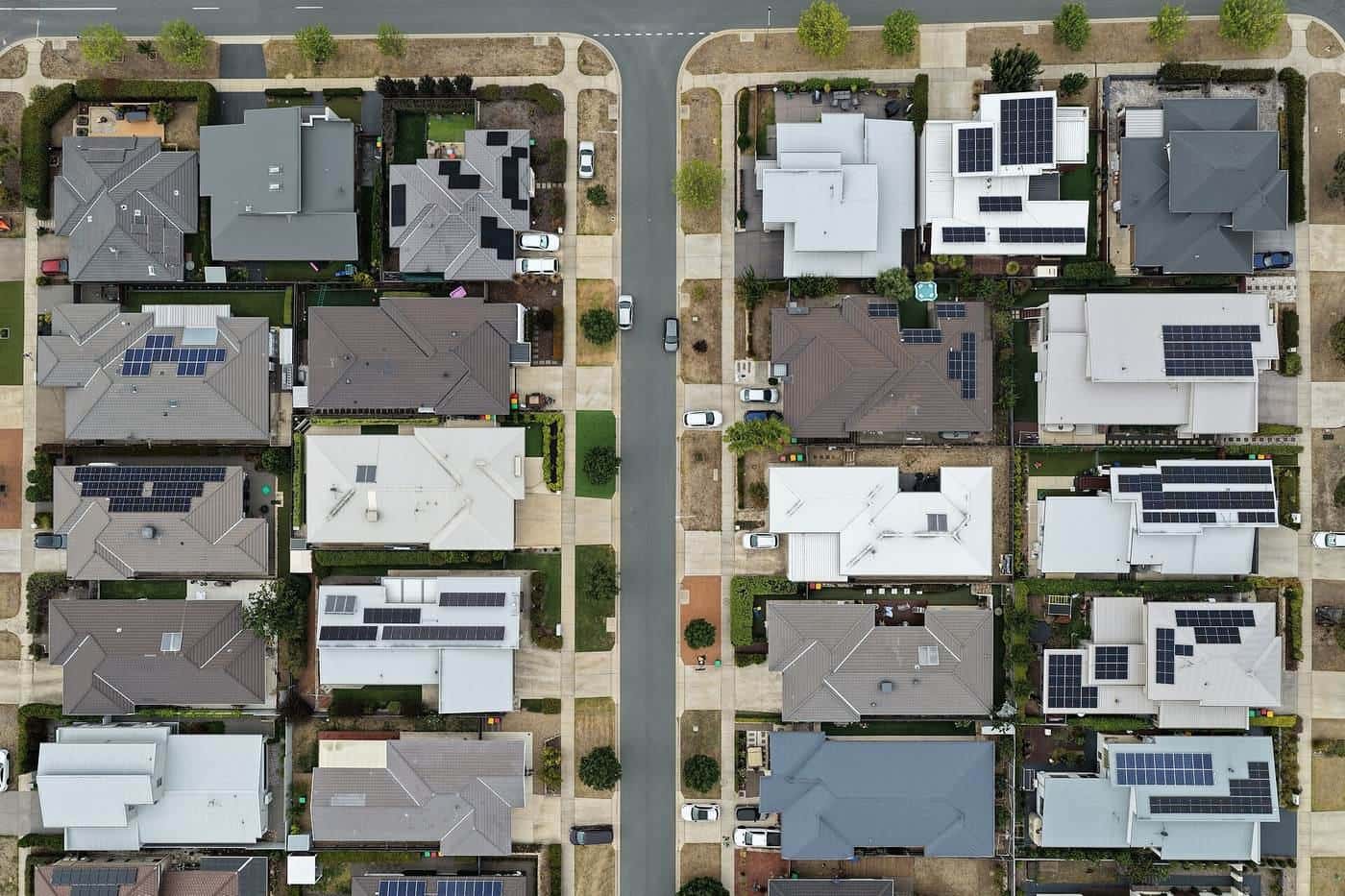
A grid-connected solar system is what most people mean when they talk about rooftop solar. Panels on the roof feed an inverter, which supplies your home and sends any surplus to the electricity grid. When the sun isn't shining, or your home needs more power than the panels produce, the grid fills the gap automatically. There's no battery, no generator and nothing to switch.
This guide explains how grid-connected systems work, the role your electricity distributor plays, the limits that may apply, what happens in a blackout and how to get the most value from your system.
No battery
Simplest setup
Panels, inverter, grid
Distributor
Approves connection
May set export limits
Shuts down
In a blackout
For safety
How a grid-connected system works
Your panels produce DC electricity, which the inverter converts to AC. This flows to your switchboard and on to your appliances. When your home uses less than the system produces, the surplus flows out through your meter to the grid. When your home uses more than the system produces, or at night, electricity flows in from the grid. The switch between these happens seamlessly and continuously.
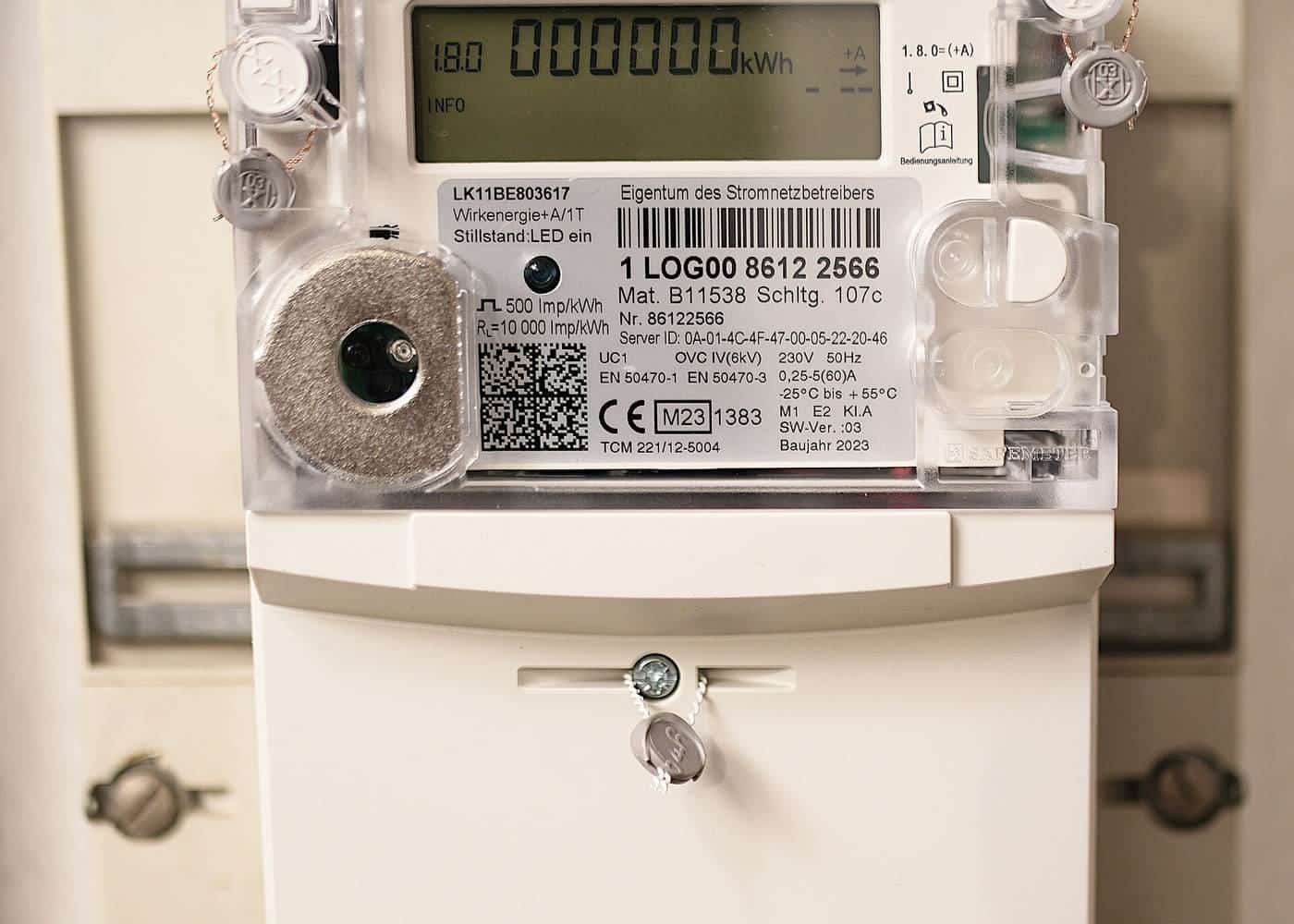
Your retailer bills you for electricity imported from the grid and credits you a feed-in tariff for electricity exported. A two-way meter, usually a smart meter, records both.
Who's who in the electricity system
Three parties are involved with your solar system once it's connected:
- Your electricity distributor owns and runs the poles and wires in your area. It approves solar connections, sets technical rules and export limits, and is responsible for your meter in many areas. You don't choose your distributor; it depends on where you live.
- Your electricity retailer sells you electricity, sends your bill and pays your feed-in tariff. In most areas, you can choose your retailer and plan.
- The market operator runs the electricity market and power system. Rooftop solar is now a major source of electricity during the day, and its growth has led to new rules on how systems behave.
Getting approval to connect
Before installing a grid-connected system, your installer usually applies to your distributor for approval. The distributor checks whether the local network can accept the system, based on its size, the type of supply to your home and how much solar is already connected nearby. In many cases, small systems are approved quickly. Larger systems, or systems in areas with a lot of solar, may be approved with an export limit, or may need a more detailed assessment.
Don't let anyone install a system before approval where approval is required. Without approval, your system may not be connected, or you may need to change it later.
Single-phase and three-phase homes
Most Australian homes have a single-phase electricity supply. Some, particularly larger homes, rural properties and homes with heavy loads such as ducted air conditioning, pool equipment or workshops, have three-phase supply. Distributors usually allow larger systems or higher exports on three-phase homes than on single-phase homes. Your installer can check what supply you have and what the local rules allow.
Export limits
As more homes install solar, local networks can experience high voltage in the middle of sunny days, when lots of systems export at once. To manage this, distributors may set export limits, capping how much power a system can send to the grid. Some areas have zero-export limits for certain systems. The inverter enforces the limit by reducing output when necessary.
An export limit doesn't stop your home using as much solar as it needs; it only limits the surplus sent to the grid. If your system is export-limited, using more solar during the day or adding a battery can help you get more value from the energy your panels can produce.
Flexible and dynamic exports
Some distributors now offer flexible or dynamic export limits, which allow higher exports most of the time and reduce them only when the network is congested. These arrangements require a compatible inverter with an internet connection. Ask your installer whether they're available in your area and whether the inverter they're proposing supports them.
Emergency backstop and remote management
Because rooftop solar now supplies a large share of electricity in the middle of the day, some states have introduced requirements allowing new or upgraded systems to be remotely curtailed in rare emergencies, when too much solar could threaten the stability of the power system. These requirements apply in some states and not others, and they're designed to be used rarely. Your installer should know the rules in your area and set up the system accordingly.
Inverter settings and standards
Inverters connected to the grid must meet Australian Standards for grid connection and be set to the settings required in your region. These settings control how the inverter responds to changes in voltage and frequency, helping keep the grid stable. Installers must configure inverters correctly; a wrongly configured inverter may trip off more than necessary, reducing your generation.
What happens in a blackout
When the grid fails, a standard grid-connected inverter shuts down within a fraction of a second. This anti-islanding protection prevents the system from sending power into lines that electricity workers may be repairing, and is required by Australian Standards. It means a standard grid-connected system can't power your home during a blackout, even on a sunny day.
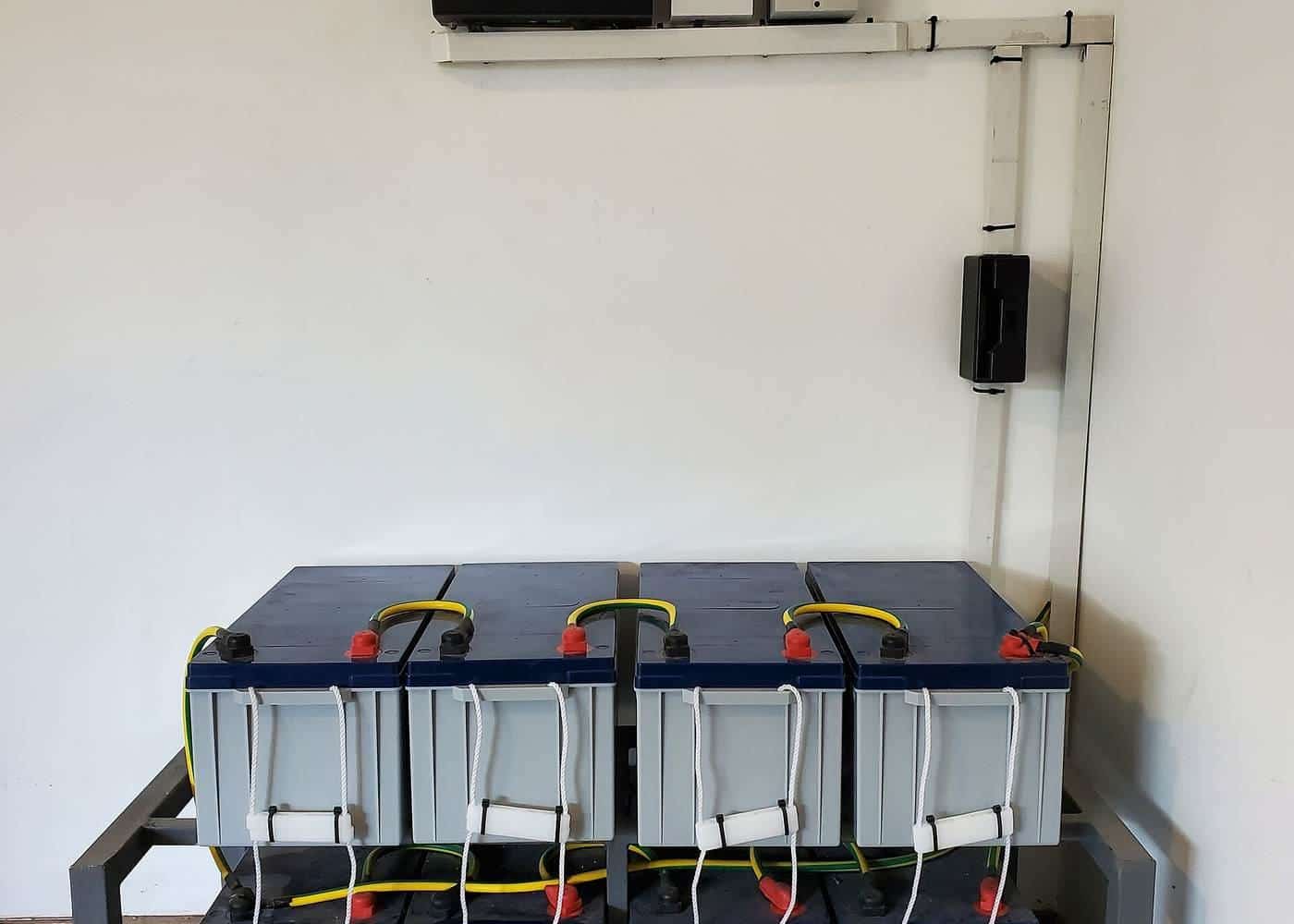
If backup power is important to you, look at systems with a battery and backup capability, which can isolate your home from the grid and supply selected circuits during an outage. Not every battery system offers backup, so ask specifically. Read our battery guide.
Sizing a grid-connected system
The right size depends on your usage, your roof, your budget and network rules. A larger system produces more electricity, but if most of it is exported at a low feed-in tariff, or limited by an export cap, the extra value may be modest. A system that's too small may leave savings on the table.
Installers commonly install somewhat more panel capacity than the inverter's rating, because panels rarely produce their full rating and doing so increases generation in the mornings, afternoons and winter. There are limits on how far this can go under scheme rules and inverter specifications. Ask installers to explain their sizing decisions and show estimated generation month by month.
Our size estimator gives a rough starting point based on your daily usage.
Getting the most value from grid-connected solar
Because exports usually earn less than the price of grid electricity, the most valuable solar is the solar you use at home. Ways to use more of it include:
- Running dishwashers, washing machines and dryers during the day using timers.
- Heating water during the day with a timer or diverter, or with a heat pump water heater scheduled to run in daylight.
- Running pool pumps during the day.
- Pre-cooling or pre-heating your home with reverse-cycle air conditioning before you get home.
- Charging an electric vehicle during the day where possible.
Choose an electricity plan that suits your usage and solar, considering both the price you pay for grid electricity and the feed-in tariff. Read our guide to feed-in tariffs and bills.
Upgrading an older system
Many homes installed small systems years ago. If you want to expand, you may be able to add panels, add a second inverter or replace the system entirely. Upgrades may require new network approval, may change your feed-in arrangements and may affect eligibility for STCs on the new components. Some older premium feed-in tariff schemes have closed, so check the terms of any legacy arrangement before making changes.
Key points
Grid-connected solar supplies your home first, exports surplus and draws from the grid as needed. Your distributor approves connections and may set export limits. Standard systems shut down in a blackout. Size the system to your usage and network rules, and use more solar during the day to get the best value.
Frequently asked questions
Why does my solar switch off in a blackout?
Grid-connected inverters must disconnect when the grid goes down so they don't send electricity into lines that workers may be repairing. This is called anti-islanding protection.
What is an export limit?
A cap set by your electricity distributor on how much power your system can send to the grid. It helps the network manage voltage and capacity. Your inverter enforces the limit.
Can I install more panels than my inverter's rating?
Often, yes, within limits. Installers commonly install somewhat more panel capacity than the inverter's rating, because panels rarely produce their full rated output. Rules for STC eligibility and the inverter manufacturer's limits apply.
Do I need approval from my distributor?
Yes. Your installer normally applies to your distributor before installation. The distributor may approve the system as proposed, approve it with an export limit, or ask for changes.
What is dynamic export?
Some distributors offer flexible export limits that vary with network conditions, allowing more export most of the time. This requires a compatible inverter and an internet connection.
Sources and further reading
Facts on this page were checked against these primary and official sources. Conditions change — confirm before you travel or buy.
- Solar PV systems — Your Home, Australian Government
- Energy Made Easy — Australian Energy Regulator
- Small-scale Renewable Energy Scheme — Clean Energy Regulator
- Australian Energy Market Operator — AEMO