One of the appeals of solar is that it quietly gets on with the job. There are no moving parts in the panels, and most systems run for years with little attention. But solar systems can develop faults, and some failures are silent: an inverter that trips off, a string that stops working or a panel that degrades can go unnoticed for months, costing you money. And like any electrical installation, a solar system needs periodic checks to stay safe.
This guide explains how to monitor your system, what basic maintenance involves, how to spot problems and when to call a professional.
App
Check monthly
Compare with past months
Inspect
Periodically
By a qualified person
Never
DIY electrical
Dangerous voltages
Understanding your monitoring
Most inverters come with monitoring, usually through an app or website. At a minimum, it shows how much electricity your system is generating now, today and over longer periods. If your system includes consumption monitoring, it also shows how much your household uses, how much solar you use yourself and how much you export or import.
Get to know what normal looks like for your system. On a clear day, generation rises through the morning, peaks around the middle of the day and falls in the afternoon, producing a smooth curve. Cloudy days produce jagged, lower curves. Generation is higher in summer and lower in winter.
Checking for problems
A quick check once a month takes a few minutes and can catch problems early:
- Compare this month with the same month last year. Allowing for weather, generation should be similar. A big drop suggests a problem.
- Look at a clear day's curve. It should be smooth. Flat tops at the inverter's maximum are normal on large systems; sudden drops, gaps or a much lower peak than usual are not.
- Check for error messages. Your app or inverter display may show faults or warnings.
- Check that monitoring is still connected. If the app shows no data, your inverter may have lost its internet connection, perhaps after a router change.
If you're unsure, ask your installer to review the data. Many problems, such as a tripped isolator or a failed string, are simple to fix once identified.
Using your electricity bill
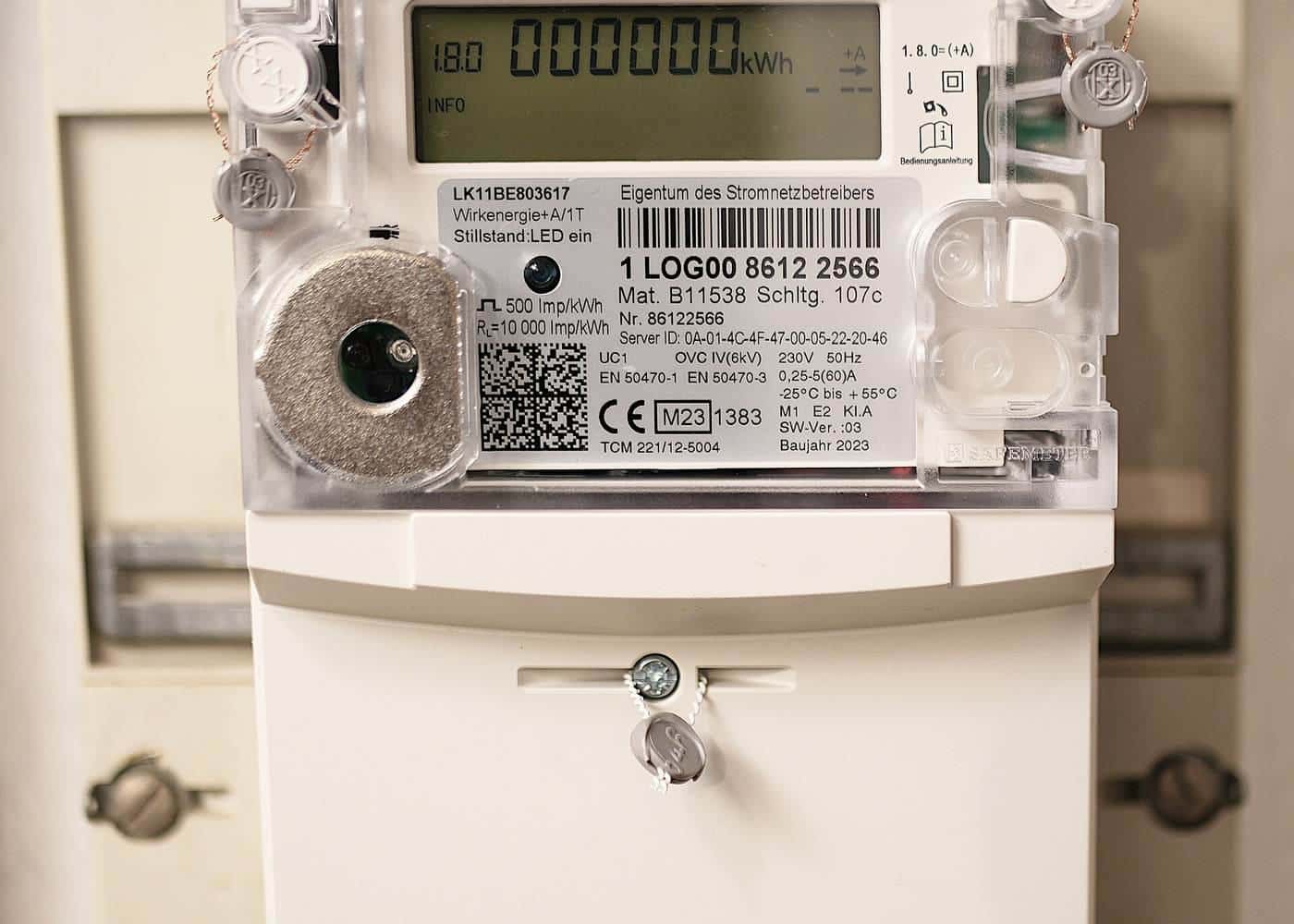
Your bill shows how much you imported from and exported to the grid. Comparing exports across bills, allowing for seasons and changes in your usage, is another way to spot a drop in performance. Your retailer or distributor may also offer access to your interval data, showing imports and exports every half-hour or less.
Common causes of low generation
- Shade from growing trees or new buildings.
- Dirt, dust, bird droppings or leaves on panels.
- A tripped isolator or circuit breaker.
- An inverter fault or the inverter shutting down due to high grid voltage or overheating.
- A failed string or panel, often due to a connector or cable problem.
- Export limits reducing output when your home isn't using much.
Cleaning
In most parts of Australia, rain keeps panels reasonably clean. Panels at a low tilt, in dusty or inland areas, near the coast where salt builds up, or under trees and bird roosts may benefit from occasional cleaning. Check your panel manufacturer's cleaning instructions, as some cleaning methods or chemicals can damage panels or void warranties.
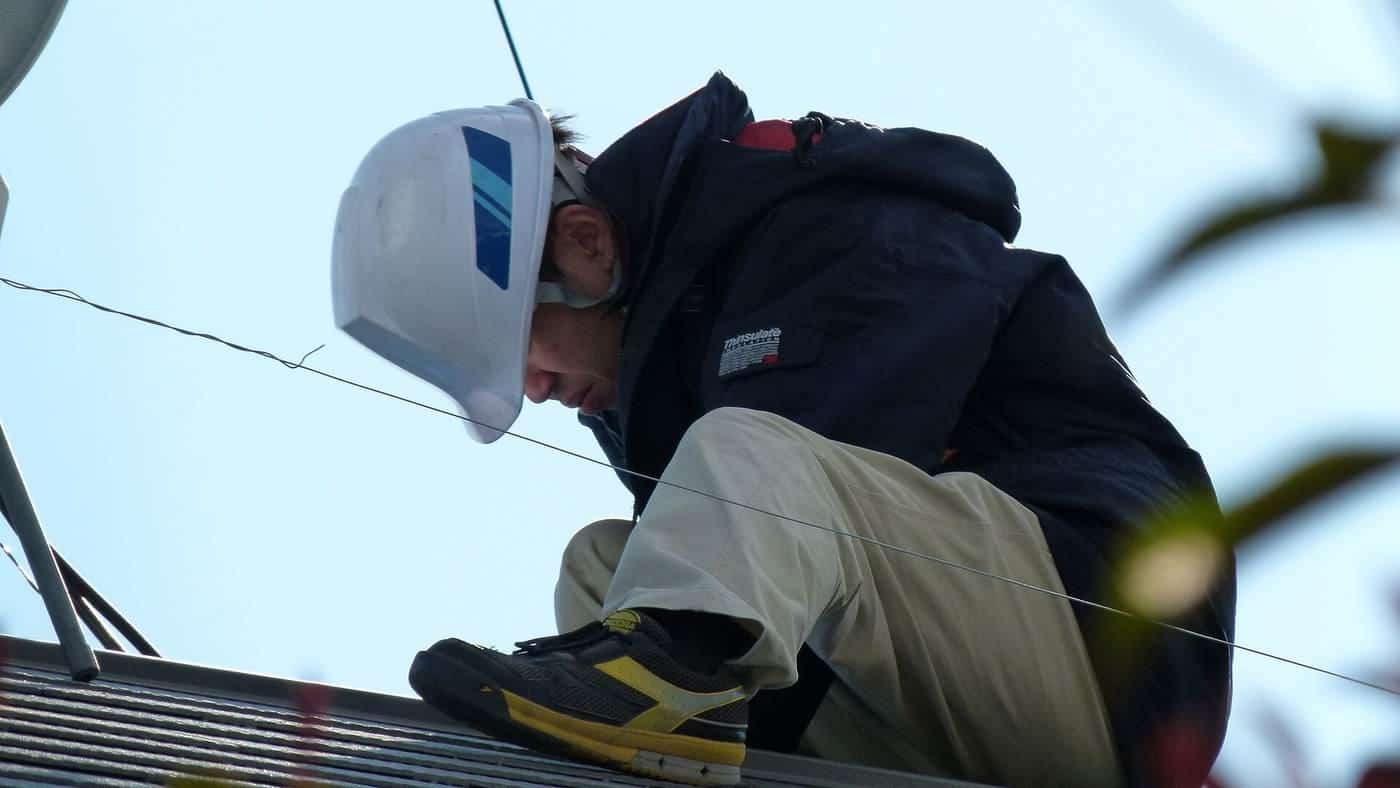
Don't climb onto your roof to clean panels yourself. Falls from roofs cause serious injuries and deaths. Use a professional cleaner with appropriate safety equipment, or clean from the ground with suitable equipment if safe to do so. Never use high-pressure water or abrasive tools on panels.
Safety inspections
Solar systems involve high-voltage DC electricity and connections exposed to sun, heat and weather for many years. Over time, connectors can loosen, cables can be damaged by heat or animals, isolators can deteriorate and water can get in. Problems like these can cause faults and, rarely, fires.
Have your system inspected periodically by a qualified person, following your installer's and the manufacturers' recommendations. An inspection typically includes checking panels and mounting, testing electrical connections and isolators, inspecting cables, checking the inverter and reviewing performance. Keep records of inspections, as some warranties require evidence of maintenance.
Shutting down your system
Your installer should provide a shutdown procedure, usually displayed near the inverter or switchboard. You might need it in an emergency, for maintenance or before work on your home's electrics. Follow it exactly, in the order shown. Remember that panels produce DC electricity whenever light falls on them, even when the system is shut down, so the cabling from the panels can still be live.
Pests and animals
Birds, especially pigeons, sometimes nest under panels, bringing noise, mess and damage to cables. Possums and rodents can chew wiring. Mesh guards around the edge of the array can keep animals out; ask a professional to fit them.
Storms, hail and bushfires
After severe storms or hail, check your monitoring and look at the panels from the ground for visible damage. If panels are cracked or the system has faults, contact your installer and your insurer. Don't touch damaged panels or cables. Include your solar system in your home insurance and, in bushfire-prone areas, in your bushfire plan.
Warranties and claims
Keep your system documents, including the design, datasheets, warranties, commissioning records and electrical safety certificate, somewhere safe. If a component fails, contact your installer first; they can diagnose the problem and handle warranty claims with the manufacturer. If your installer is no longer in business, contact the manufacturer directly. Australian Consumer Law provides consumer guarantees that apply regardless of warranties.
When to replace components
Inverters are the component most likely to need replacing, usually well before the panels. When an inverter fails out of warranty, you may choose a like-for-like replacement or take the opportunity to upgrade, for example to a hybrid inverter ready for a battery. Panels can last much longer, though their output slowly declines. A significant drop beyond the performance warranty may be grounds for a claim.
Simple solar care routine
0 of 8 done
Ticks are saved in this browser only.
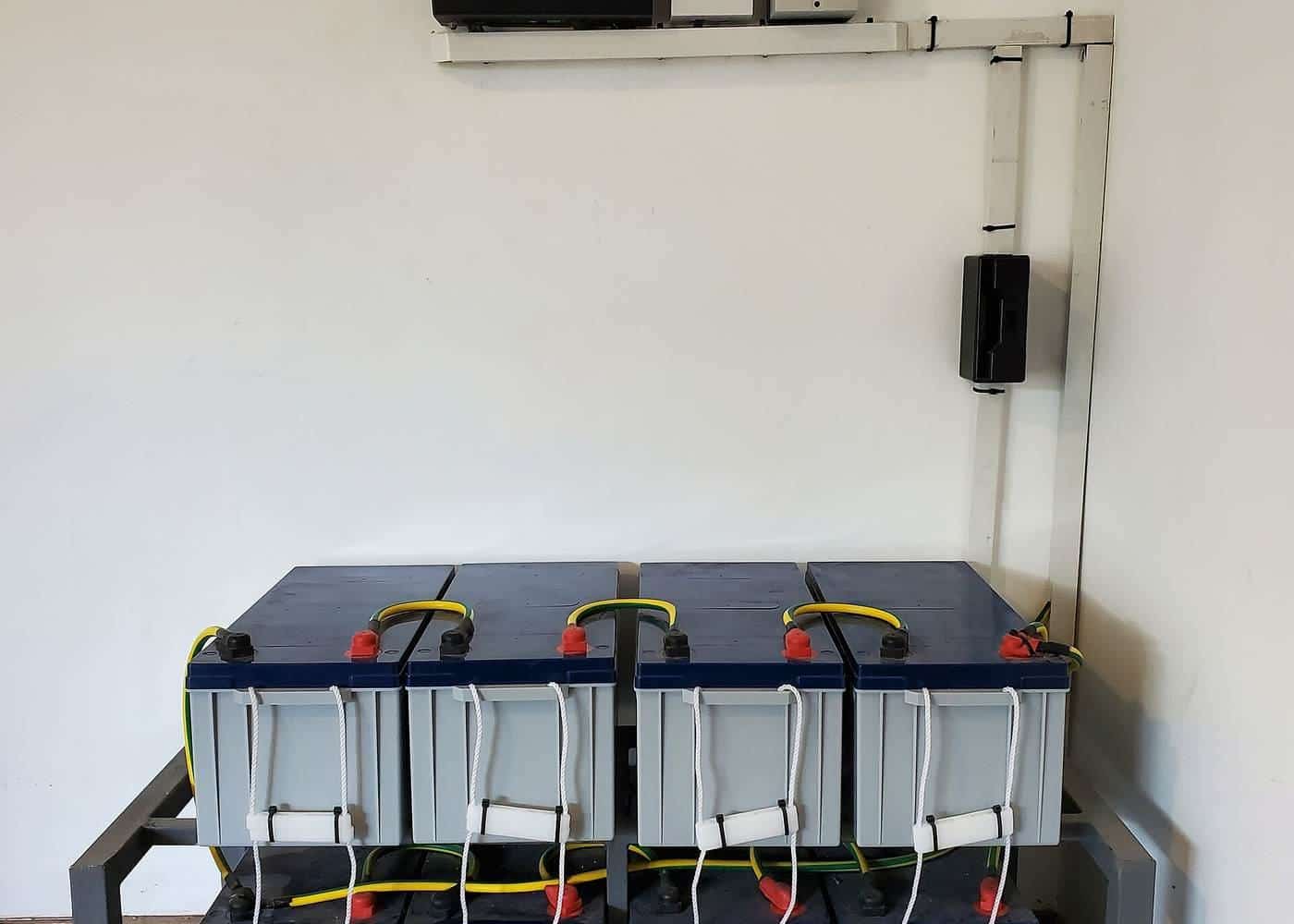
Monitoring a battery
If you have a battery, your app also shows its state of charge and how much it charges and discharges each day. Watch for alerts and any drop in performance.
Sharing data with your installer
Many monitoring platforms let you give your installer access to your data, so they can spot faults remotely. Ask whether this is available and what it involves.
Key points
Check your monitoring regularly and compare generation with past periods to catch faults early. Keep panels reasonably clean using professionals, never climb on the roof yourself, and book periodic safety inspections. Keep your documents, know how to shut the system down and contact your installer when something looks wrong.
Frequently asked questions
How do I know if my solar is working?
Check your monitoring app or inverter display on a sunny day. Compare generation with similar days in previous weeks or years. A sudden drop or zero generation suggests a problem.
Should I clean my solar panels?
In most areas, rain keeps panels reasonably clean. In dusty areas, near the coast, or where birds or pollen are a problem, occasional cleaning may help. Don't climb on the roof yourself; use a professional.
How often should my system be inspected?
Follow your installer's and the manufacturers' recommendations. Periodic inspections by a qualified person help keep the system safe and protect warranties.
Can I turn my solar off?
Yes. Your installer should leave a shutdown procedure, usually posted near the inverter or switchboard. Follow it exactly.
Why is my generation lower in winter?
The sun is lower and days are shorter, so panels receive less sunlight. Lower winter generation is normal.
Sources and further reading
Facts on this page were checked against these primary and official sources. Conditions change — confirm before you travel or buy.
- Solar PV systems — Your Home, Australian Government
- Solar battery installers and designers — Clean Energy Regulator
- Energy Made Easy — Australian Energy Regulator
- Consumer guarantees — ACCC