Ask about solar rebates and you'll often hear about "the government rebate". In fact, the main federal support for home solar isn't a rebate paid by the government. It's a market-based scheme in which eligible systems create certificates that have a value, and that value is usually passed to you as a discount on the price. Since July 2025, eligible batteries have been supported in a similar way.
Understanding how this works helps you check that a quote applies the discount correctly, and explains why the discount changes over time.
STC
Small-scale technology certificate
Created by eligible systems
2030
Scheme end
Discount declines yearly
1 May 2026
Battery changes
Support tiered by size
The Small-scale Renewable Energy Scheme
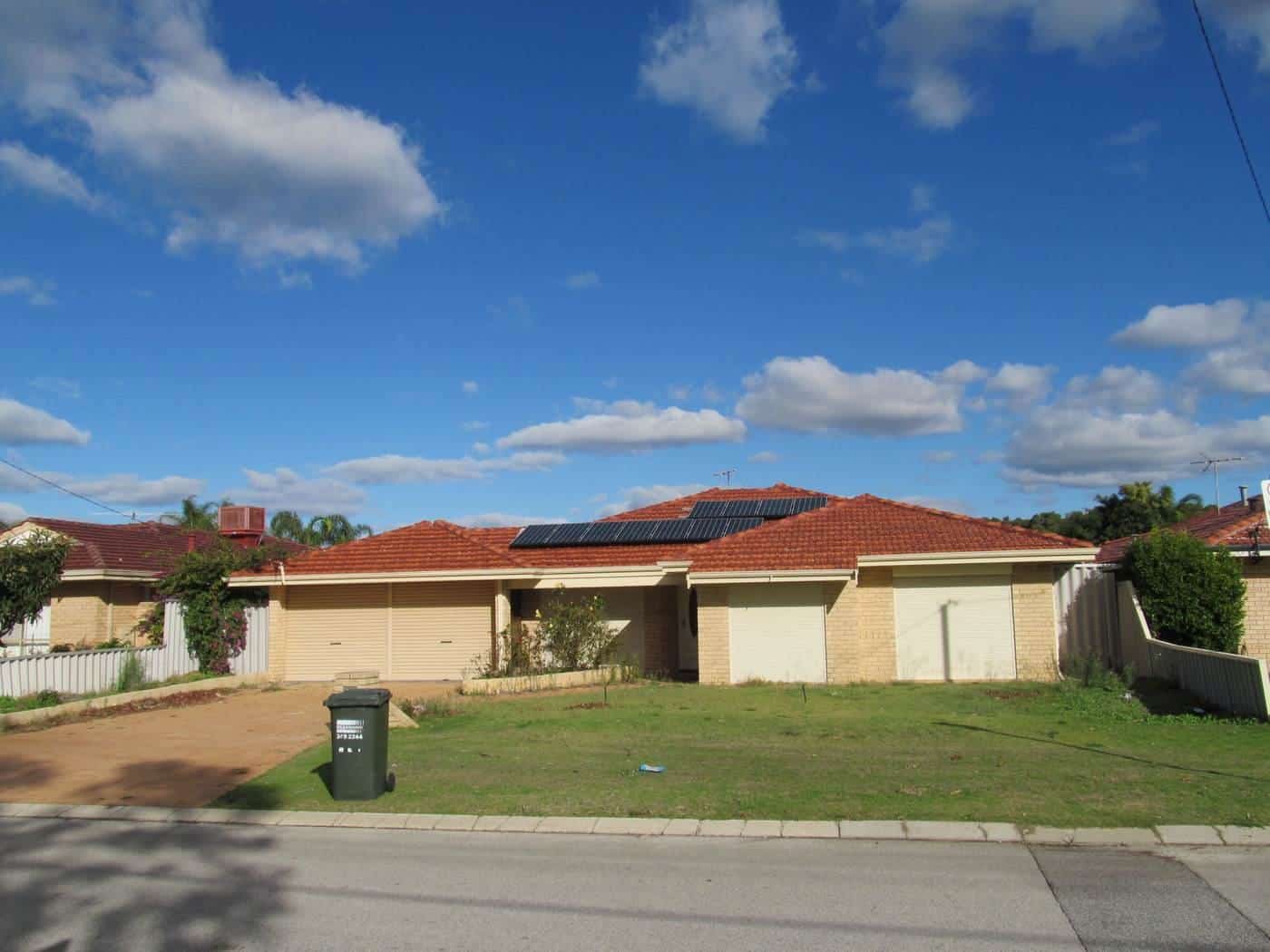
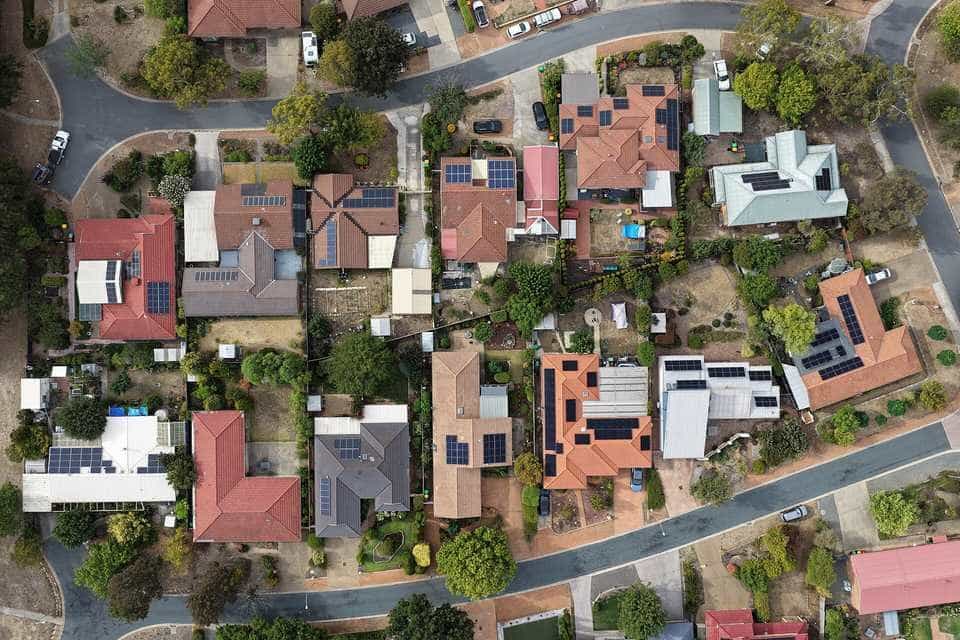
The Small-scale Renewable Energy Scheme (SRES) is part of the Australian Government's Renewable Energy Target. It's administered by the Clean Energy Regulator. Under the scheme, eligible small-scale systems, including rooftop solar panels, solar water heaters, air source heat pump water heaters, small wind and hydro systems and, since 1 July 2025, batteries, can create small-scale technology certificates (STCs).
Electricity retailers and other liable entities are required by law to buy STCs each year. That creates a market, so STCs have a value. The value can change with supply and demand, though there's also a clearing house where STCs can be sold at a set price, subject to availability of buyers.
How STCs become a discount
You can create and sell STCs yourself, but it involves paperwork, registration and waiting for payment. Almost everyone instead assigns their right to create STCs to their installer or retailer, or to a registered agent, in exchange for an upfront discount on the price of the system. The installer then creates and sells the certificates.
Your quote should show the number of STCs your system is eligible for and the value being credited to you. You'll sign an assignment form at or after installation.
How many STCs a solar system creates
For solar panels, the number of STCs depends on:
- System size. Larger systems create more certificates, up to the scheme's size limits for small-scale systems.
- Location. Australia is divided into zones based on sunshine. Systems in sunnier zones create more certificates for the same size.
- The deeming period. STCs for solar are created upfront for the expected generation over a number of years. Because the scheme ends in 2030, the deeming period shortens each year, so a given system creates fewer STCs each year it's installed later.
The Clean Energy Regulator provides a calculator to estimate how many STCs a system will create.
Eligibility requirements
To be eligible for STCs, a system generally must:
- Be designed and installed by people accredited by Solar Accreditation Australia.
- Use panels, inverters and batteries from the Clean Energy Council's approved lists.
- Meet relevant Australian Standards and local requirements.
- Be a new system, with STCs claimed within the time limits set by the scheme.
The installer handles most of the paperwork, but you should check that the requirements are met, because a system that isn't eligible won't receive the discount.
The Cheaper Home Batteries Program
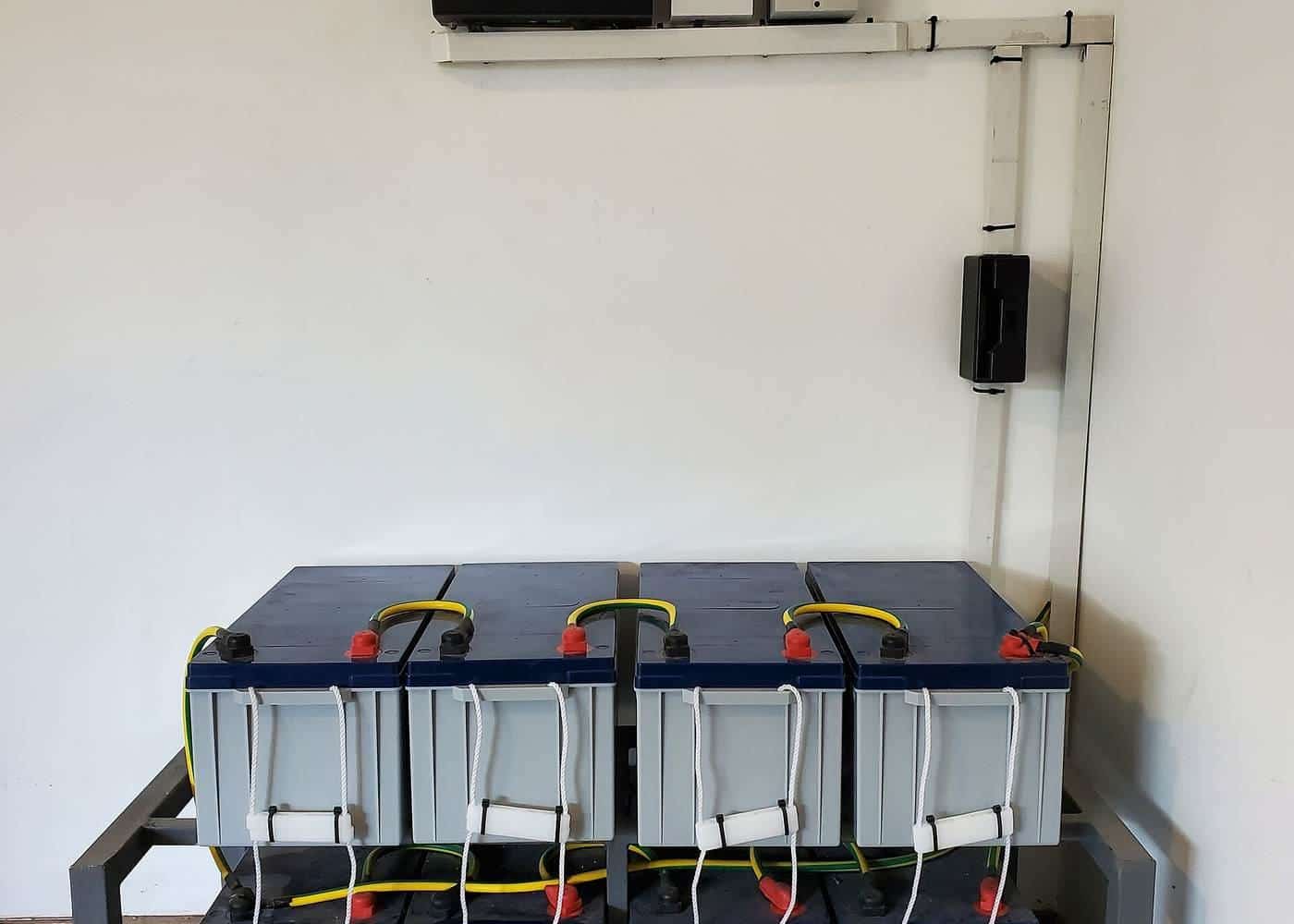
The Cheaper Home Batteries Program extends the SRES to batteries. Eligible batteries installed on or after 1 July 2025 can create STCs based on their usable capacity. According to the department, the program supports batteries from 5 to 100 kWh nominal capacity, with STCs available for the first 50 kWh of usable capacity, and supports stacked, on-grid and off-grid batteries for residential and non-residential premises. Only one battery system per premises is eligible for STCs, according to the regulator.
The number of STCs per kilowatt-hour of usable capacity is set by an STC factor. Changes that took effect on 1 May 2026 mean the factor declines every six months, and support tapers by size: the full factor applies to the first 14 kWh of usable capacity, a reduced share between 14 and 28 kWh, and a smaller share between 28 and 50 kWh. The regulator says the program aims to maintain a discount of around 30% on battery costs as prices fall. The discount is determined by the installation date, not when you sign a contract. The Clean Energy Regulator has a calculator for estimating battery STCs.
Solar water heaters and heat pumps
Solar water heaters and air source heat pump water heaters can also create STCs under the SRES. Replacing an electric storage water heater with a heat pump scheduled to run during the day can be a useful way to use more of your solar. Check eligibility and the discount with suppliers.
State and territory programs
Some states and territories offer their own support for solar, batteries, heat pumps or energy upgrades, such as rebates, interest-free loans or programs for renters, landlords, low-income households and community housing. Programs open, change and close frequently, and many have eligibility criteria and approved-supplier requirements. Check your state or territory government's energy website for current programs before you buy, as some require approval before installation.
Avoiding rebate traps
- Be wary of "rebate ending soon" pressure. The SRES discount declines gradually and predictably, though battery changes can be larger. Don't let a deadline rush you into a poor decision.
- Check that the discount is shown. Your quote should show the number of STCs and the value credited.
- Don't confuse discounts. Some sellers present ordinary price cuts as government rebates.
- Check eligibility. Make sure the installer and products meet the requirements.
Tax and other incentives
For businesses, solar and batteries may have tax implications. Households generally don't claim tax deductions for home solar, but if you run a business from home or own a rental property, get advice from a tax professional.
Keeping records
Keep a copy of your STC assignment form, your quote showing the discount, the installer's accreditation details and your system documentation. If questions arise later, for example during an audit or a warranty claim, these records show what was installed, by whom and how the discount was applied.
If you sell the STCs yourself
Some owners choose to create and sell STCs themselves, hoping for a better price. This requires registering with the regulator's online system, meeting deadlines and accepting market risk. For most households, assigning the certificates to the installer is simpler.
Key points
The federal solar discount comes from STCs created under the SRES, usually assigned to your installer for an upfront discount. The number of STCs depends on system size, location and installation year, and declines until the scheme ends in 2030. Batteries are supported through the Cheaper Home Batteries Program, tiered by size since 1 May 2026. Check state programs and make sure your quote shows the discount.
Frequently asked questions
Is there a government rebate for solar panels?
Not a cash rebate as such. The federal Small-scale Renewable Energy Scheme lets eligible systems create small-scale technology certificates (STCs), which have a market value. Most people assign them to their installer for an upfront discount.
How many STCs will my system create?
It depends on the system size, your location's zone and the year of installation, because the deeming period shortens each year until the scheme ends in 2030. The Clean Energy Regulator has a calculator.
Does the solar discount reduce each year?
Yes. For solar panels, the number of years of generation counted shortens each year, so the number of STCs for a given system declines. For batteries, the STC factor declines every six months.
Do batteries get STCs?
Yes. Under the Cheaper Home Batteries Program, eligible batteries installed on or after 1 July 2025 can create STCs based on usable capacity. Support was tiered by battery size from 1 May 2026.
Are there state rebates too?
Some states and territories offer their own programs, such as rebates, loans or programs for renters and low-income households. These change often; check your state government's energy website.
Sources and further reading
Facts on this page were checked against these primary and official sources. Conditions change — confirm before you travel or buy.
- Small-scale Renewable Energy Scheme — Clean Energy Regulator
- Solar batteries — Clean Energy Regulator
- Cheaper Home Batteries Program — DCCEEW
- Battery rebates are changing 1 May 2026 — Clean Energy Regulator
- Changes to the Cheaper Home Batteries Program — Clean Energy Regulator