For homes on remote properties, connecting to the electricity grid can be expensive or impossible. Off-grid solar systems provide an alternative: a self-contained power supply built around solar panels, batteries and usually a backup generator. Australia has a long history of off-grid power on stations, farms, bush blocks and remote communities, and modern systems are more capable and reliable than ever.
But an off-grid system is different from grid-connected solar. There's no grid to fall back on, so the system has to supply everything you need, every day, through every season. That makes design, equipment quality and your own habits far more important. This guide explains how off-grid systems work, how they're designed and what living with one involves.
No grid
Self-contained
Solar, batteries, backup
Winter
Design for
Shortest days, most cloud
Generator
Usual backup
For long cloudy spells
When off-grid makes sense
Off-grid solar is most common where a home is far from existing power lines, where a new grid connection would require a long and costly line extension, or where the reliability of a long rural line is poor. It's also used for weekenders, cabins and sheds. In some regional areas, distributors offer standalone power systems to customers at the end of long lines instead of maintaining the poles and wires.
For homes that already have a grid connection, going off-grid is a much bigger decision. Grid-connected solar with a battery can provide most of the benefits of independence, with the grid as a backup. Disconnecting is often difficult to reverse.
The main components
An off-grid system usually includes:
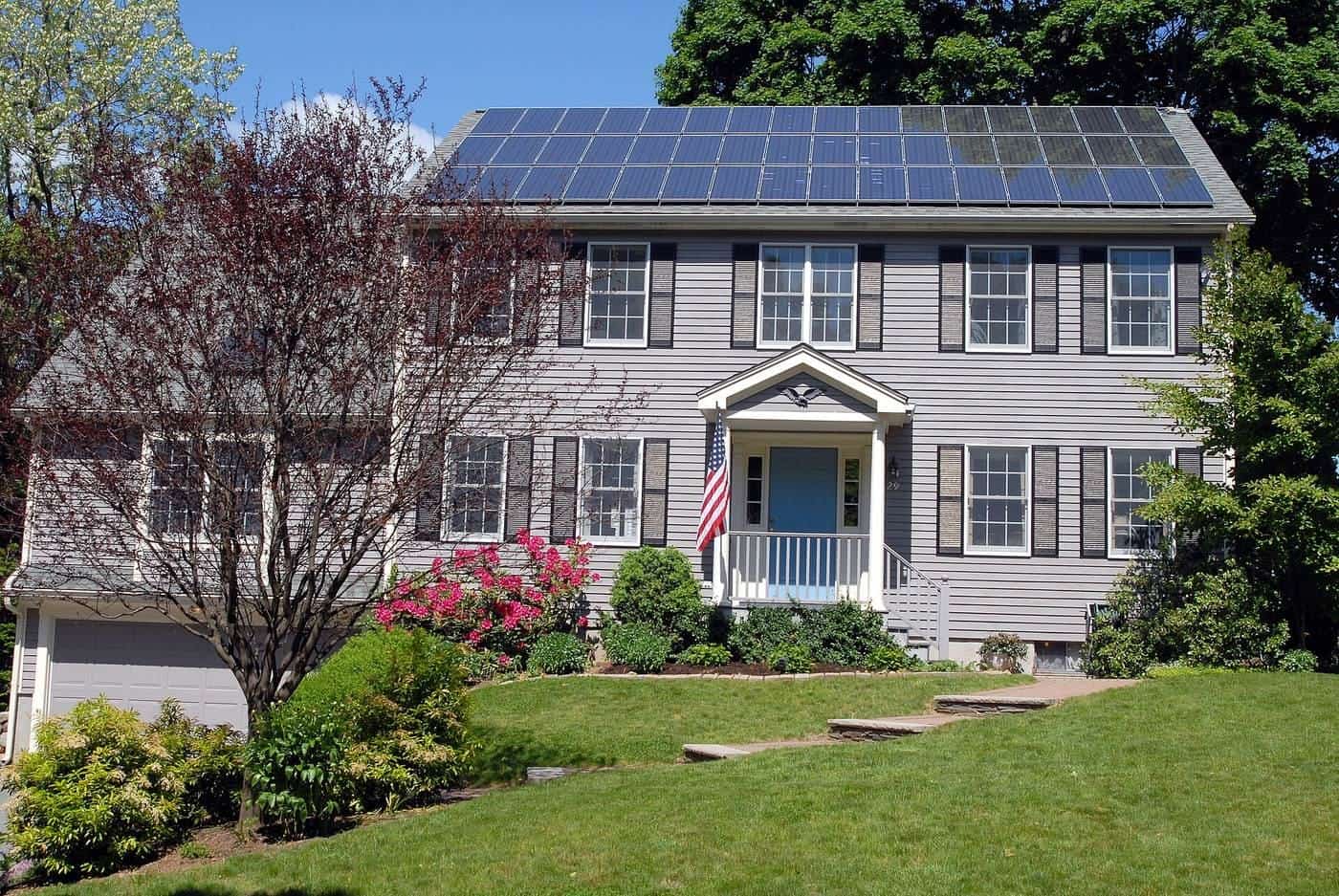
- Solar panels, often a larger array than a grid-connected home would need, to generate enough in winter.
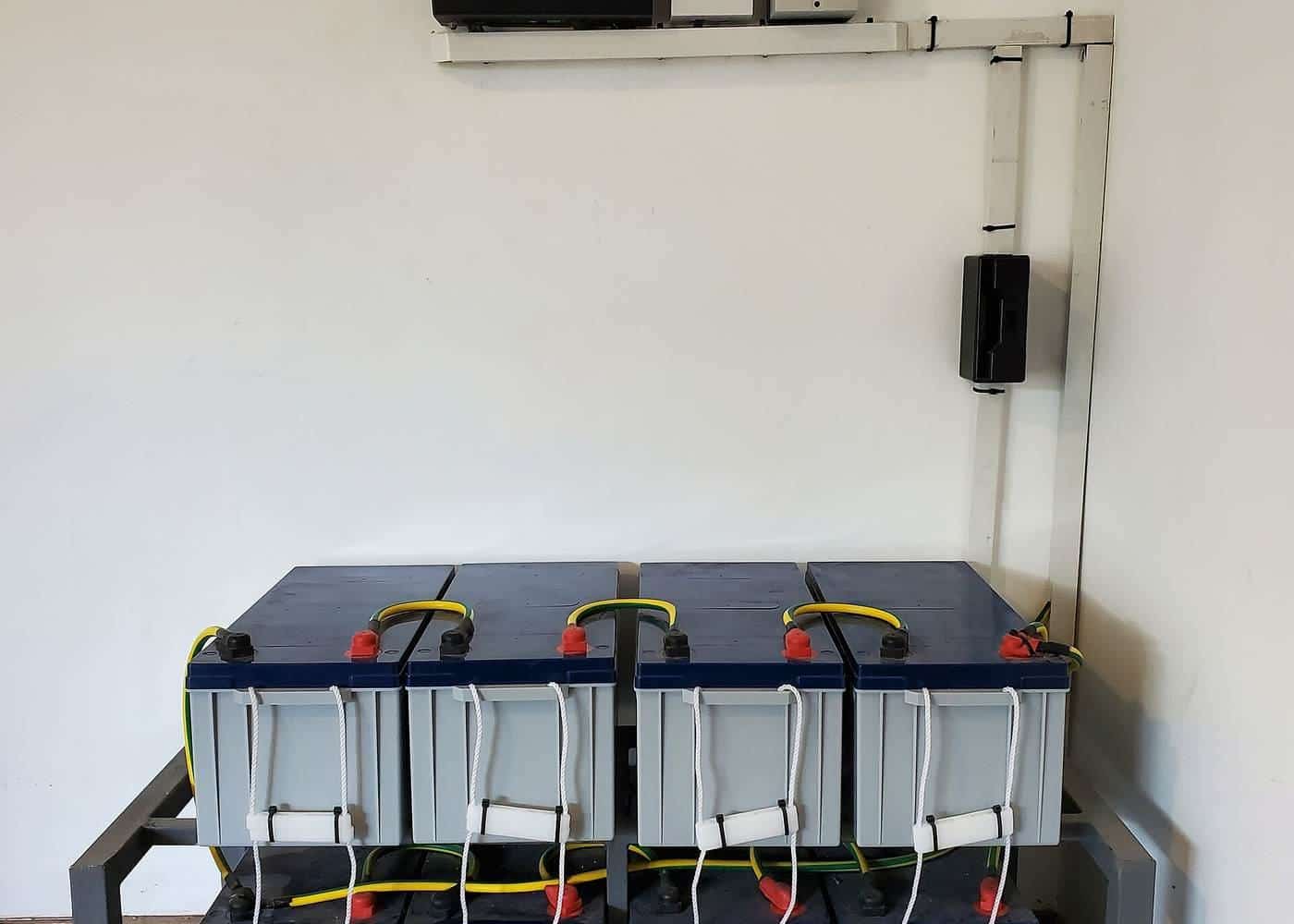
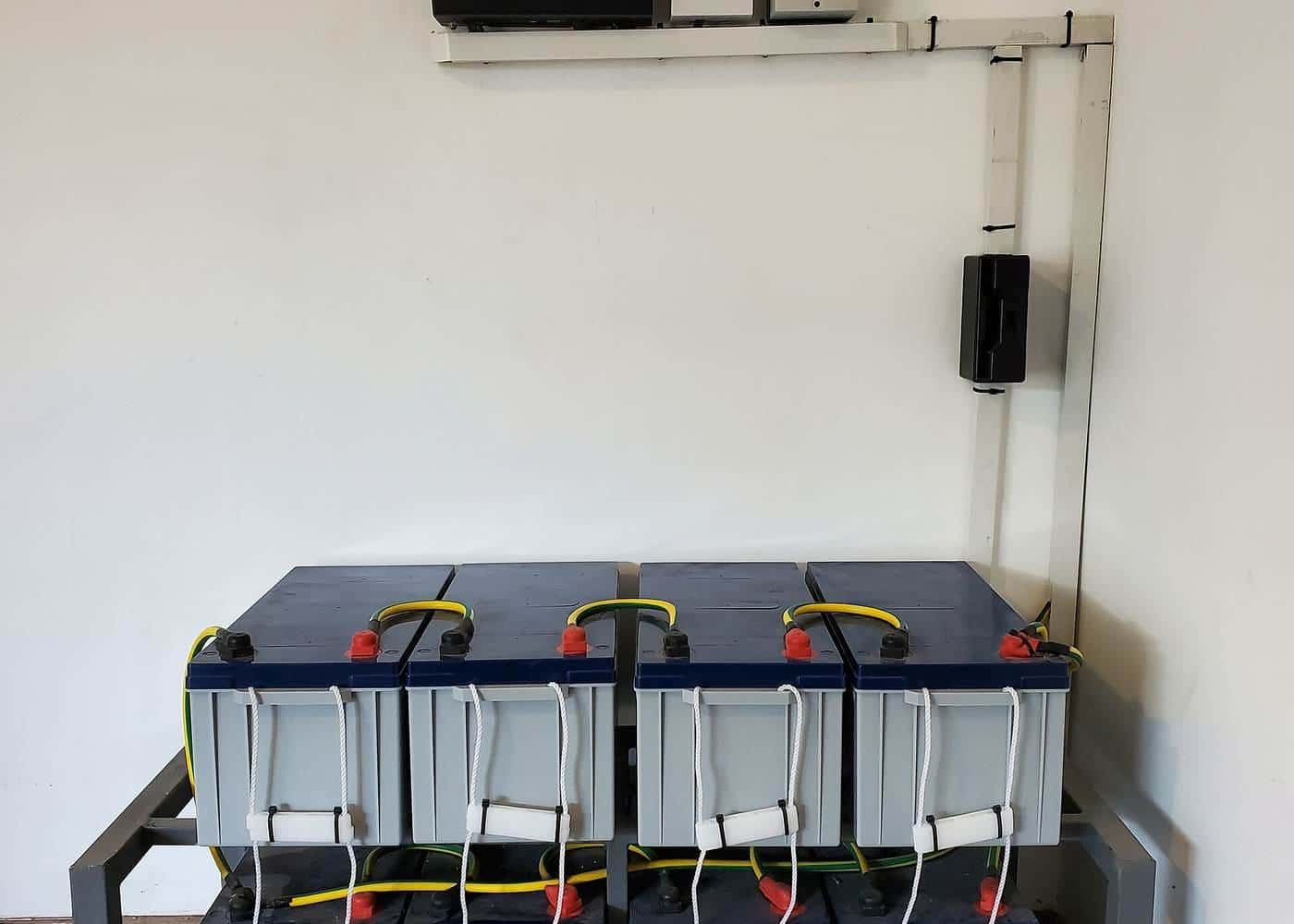
- A battery bank to store energy for night-time and cloudy days.
- An inverter-charger that converts battery power to AC for the home and can charge the batteries from a generator.
- Charge controllers or a hybrid inverter to manage charging from the panels.
- A backup generator, usually diesel or petrol, that starts when the batteries run low or demand is high.
- Monitoring so you can see the state of charge, generation and usage.
Designing an off-grid system
Off-grid design starts with a detailed load assessment: a list of every appliance, how much power it uses and how long it runs, across the seasons. From this, the designer works out your daily energy needs and your peak power demand.
The system is then sized so that:
- The solar array can meet your daily usage and recharge the batteries in the worst month, usually midwinter, when days are shortest and the sun is lowest.
- The battery bank can supply your needs through a set number of days with little sun, called days of autonomy, without being discharged beyond safe limits.
- The inverter can supply your peak demand, including the surge when motors such as pumps and fridges start.
- The generator can recharge the batteries and supply the home when needed.
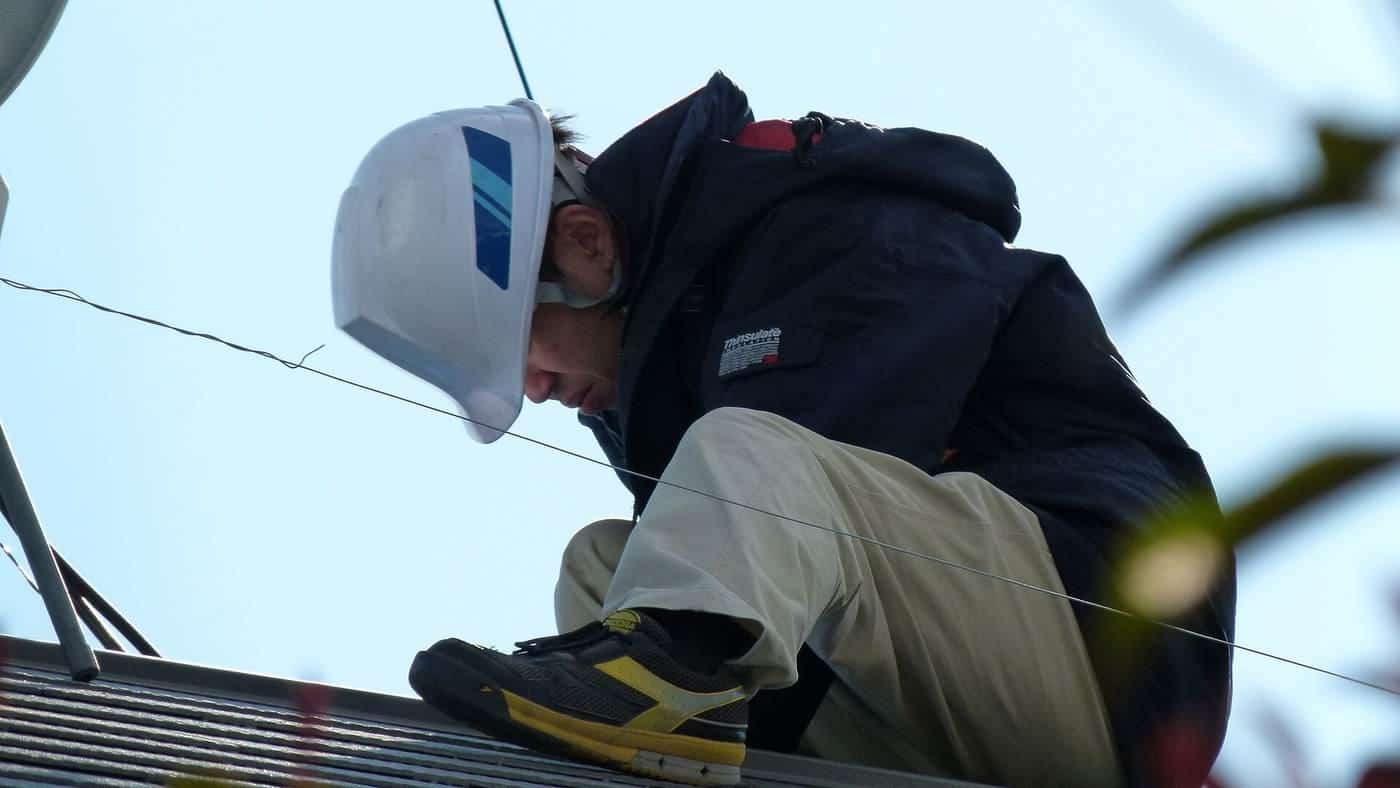
Off-grid design is specialised work. Solar Accreditation Australia offers accreditation for off-grid design and installation, and systems claiming STCs must be designed and installed by appropriately accredited people.
Reducing your loads
The cheapest energy in an off-grid home is the energy you don't need. Efficient appliances, LED lighting, a well-insulated home designed to stay comfortable with little heating or cooling, and careful choices about large loads can dramatically reduce the size and cost of the system you need. Appliances that produce heat, such as electric heaters, kettles, ovens and clothes dryers, use a lot of energy; off-grid homes often use gas, wood or solar heating for these, or use them only when the sun is shining.
The Your Home guide has detailed advice on designing energy-efficient homes for Australian climates.
Panels and mounting
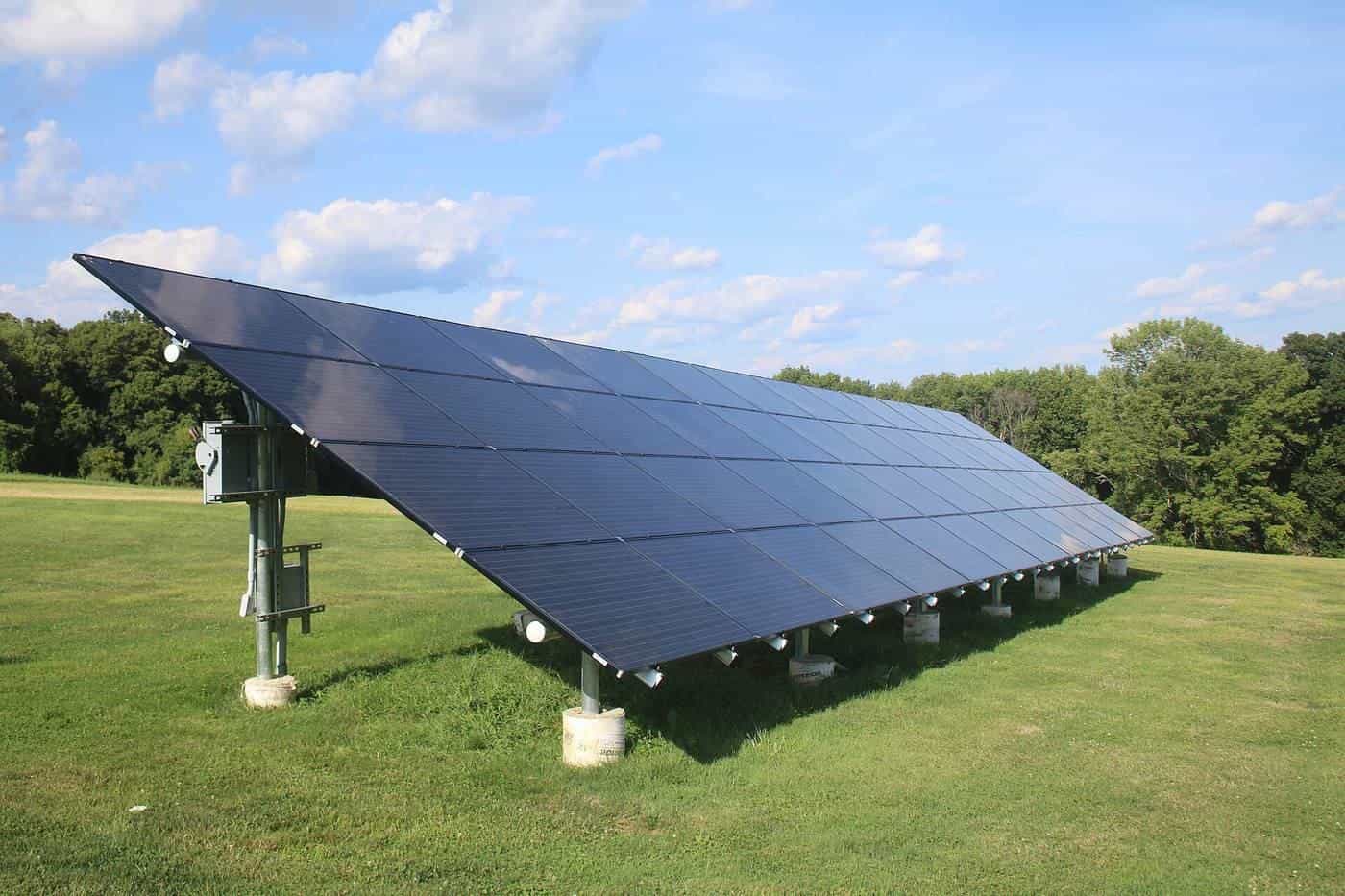
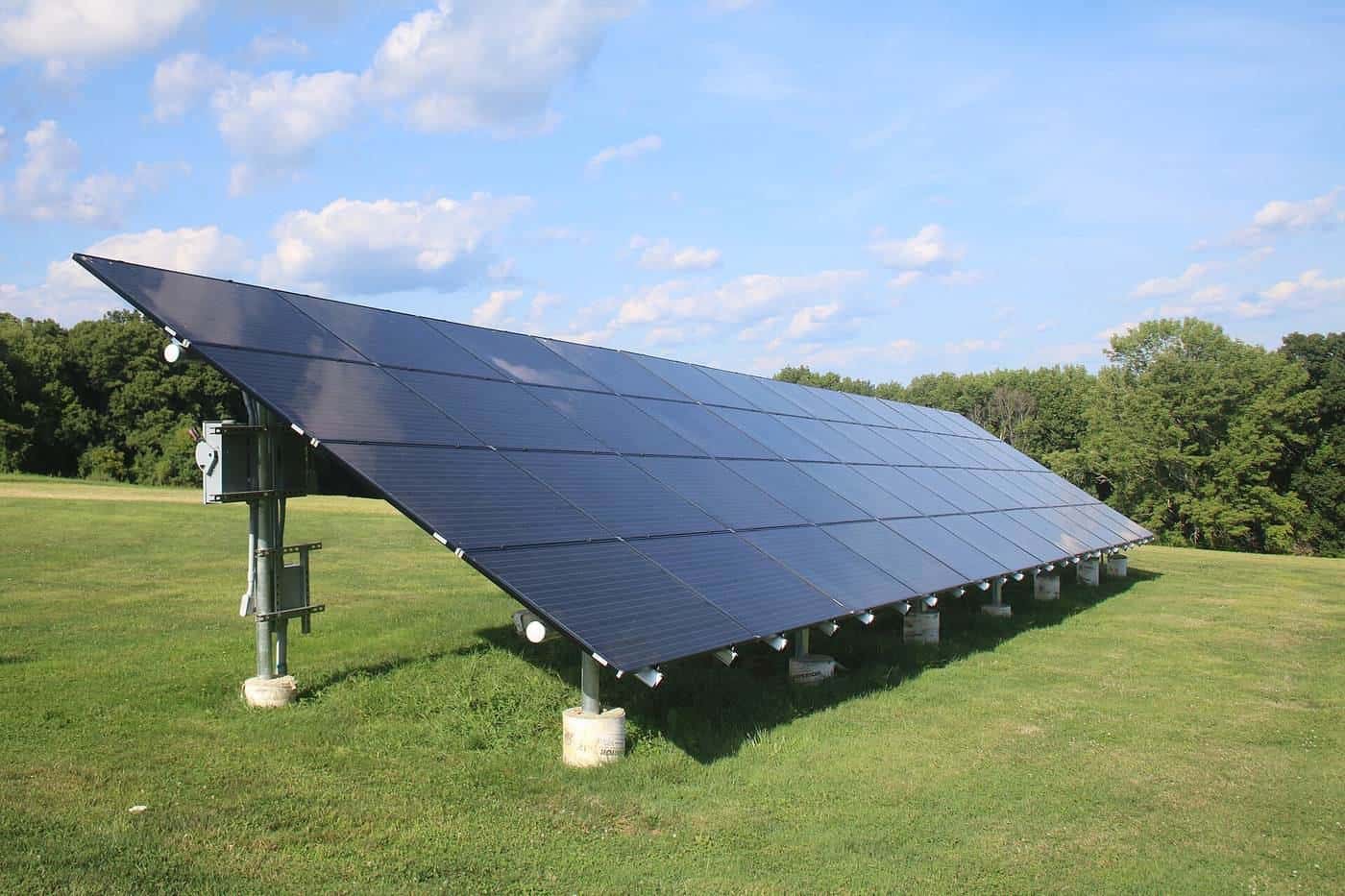
Off-grid arrays are often ground-mounted, which makes it easier to choose the ideal orientation and tilt, to keep panels clean and to expand later. Steeper tilts favour winter production, which is when off-grid systems most need it. Keep arrays clear of shade, especially from trees that grow over time.
Batteries for off-grid homes
Batteries are the most critical and often the most expensive part of an off-grid system. Most new systems use lithium batteries, which can be discharged more deeply and cycled more often than older lead-acid batteries, and need less maintenance. Lead-acid batteries are still used in some systems and need regular care, including watering for some types.
Battery life depends on how deeply and how often the battery is discharged, its temperature and how well it's managed. Keep batteries in a well-ventilated, shaded, protected enclosure that meets Australian Standards and the manufacturer's requirements.
Generators
A backup generator is a safety net for long periods of poor weather, high usage or equipment faults. Many inverter-chargers can start the generator automatically when the battery reaches a set level. Size the generator to charge the batteries efficiently, store fuel safely, and service the generator regularly so it starts when you need it. Exercise it periodically even if it's rarely needed.
Living off-grid
Living off-grid means paying attention to your energy. You'll learn to watch your battery's state of charge, to run big loads such as washing machines and pumps when the sun is shining, and to be careful during long cloudy spells. Many off-grid households find this becomes second nature. A good monitoring system helps, and some systems can send alerts to your phone.
Plan for maintenance and replacement. Inverters and batteries will eventually need replacing, and having a relationship with a local installer who knows your system is valuable.
Bushfire and safety considerations
Many off-grid properties are in bushfire-prone areas. Keep vegetation clear of panels, battery enclosures and generators, make sure everyone in the household knows how to shut down the system, and include the system in your bushfire plan. Fire services may need to know about battery and fuel storage on the property.
Government support
Off-grid solar panels can be eligible for STCs under the Small-scale Renewable Energy Scheme, and the Cheaper Home Batteries Program can support eligible off-grid batteries. Some states have also run programs for remote households. Requirements, including accreditation and approved products, apply. Check current details with the Clean Energy Regulator and your state government. Read our guide to rebates and STCs.
Questions to ask an off-grid designer
- How did you calculate my daily usage and peak demand?
- How many days of autonomy is the battery designed for?
- How does the system perform in midwinter?
- When will the generator run, and how is it controlled?
- What monitoring and alerts are included?
- What maintenance will the system need, and who will do it?
- What warranties apply, and what happens if a component fails?
Expanding later
Plan for growth. Leave room in the battery enclosure and on the mounting frame, and choose an inverter-charger that can handle extra panels or batteries if your needs change.
Key points
Off-grid solar can power remote homes reliably, but it needs careful design around your loads and the worst winter weather. Reduce your loads first, size panels and batteries for winter, include a backup generator and monitoring, and work with designers accredited for off-grid systems.
Frequently asked questions
Is off-grid solar cheaper than connecting to the grid?
It depends. Where a grid connection would require a long new line, off-grid can be the more practical option. In suburbs with an existing connection, staying connected is usually simpler and less expensive.
Do off-grid systems need a generator?
Most do. A backup generator covers long cloudy spells, unusually high usage and equipment problems. Some well-designed systems rarely run their generator, but it's an important safety net.
How long will an off-grid battery last on a cloudy day?
That depends on battery size and usage. Designers size off-grid batteries to cover a number of days with little sun, called days of autonomy.
Are off-grid batteries eligible for government support?
The Cheaper Home Batteries Program can support eligible off-grid batteries, and off-grid solar panels can be eligible for STCs. Check current requirements with the Clean Energy Regulator.
Can I disconnect from the grid if I already have a connection?
It's possible, but think carefully. Disconnecting is often hard to reverse, and you take on full responsibility for your power supply. Talk to experienced designers first.
Sources and further reading
Facts on this page were checked against these primary and official sources. Conditions change — confirm before you travel or buy.
- Solar PV systems — Your Home, Australian Government
- Solar battery installers and designers — Clean Energy Regulator
- Eligibility information for the Cheaper Home Batteries Program — DCCEEW
- Small-scale Renewable Energy Scheme — Clean Energy Regulator