A solar system without a battery exports its surplus during the day and relies on the grid at night. A battery changes that by storing surplus solar for use in the evening and overnight. Batteries have become much more common in Australian homes, helped by the federal Cheaper Home Batteries Program. But a battery is a significant purchase, and whether it suits you depends on your usage, your tariffs, your goals and the system design.
This guide explains how home batteries work, what the specifications mean, when they provide backup, where they can be installed, how to think about sizing and how the federal program works.
kWh
Capacity
How much energy it stores
kW
Power
How fast it delivers energy
STCs
Federal discount
Cheaper Home Batteries Program
How a hybrid system works
In a solar system with a battery, often called a hybrid system, solar supplies your home first. When the panels produce more than your home is using, the surplus charges the battery. Once the battery is full, any further surplus is exported to the grid. In the evening, when solar output falls, the battery discharges to supply your home. When the battery runs low, the grid takes over.
The system's controls decide when the battery charges and discharges. Most batteries follow this simple self-consumption pattern by default, but many can also be set to charge from the grid at cheap times, discharge at expensive times, or keep a reserve for backup.
AC-coupled and DC-coupled batteries
There are two main ways to connect a battery:
- DC-coupled systems use a hybrid inverter that connects to both the panels and the battery. Solar can charge the battery directly as DC, which is efficient. This is common for new systems installed with a battery from the start.
- AC-coupled systems use a separate battery inverter, or a battery with a built-in inverter, connected on the AC side of your switchboard. This is a common way to add a battery to an existing solar system without replacing the solar inverter.
Both approaches work. Your installer should explain which they recommend and why.
Understanding battery specifications
- Usable capacity (kWh): how much energy you can store and use. This is the most useful figure for comparing batteries, and it's the figure used to calculate STCs under the federal program.
- Nominal capacity (kWh): the total capacity, some of which is reserved to protect the battery. Program eligibility refers to nominal capacity.
- Continuous power (kW): how much power the battery can deliver at once. This determines how many appliances it can run simultaneously.
- Peak power (kW): how much power the battery can supply for short bursts, such as when motors start.
- Round-trip efficiency: how much of the energy put into the battery comes back out. Some energy is always lost.
- Warranty: usually a number of years or a total throughput of energy, whichever comes first, with a guaranteed remaining capacity at the end.
Batteries and backup power
Many people assume a battery will keep the lights on in a blackout. That's only true if the system is designed for backup. When the grid fails, a backup-capable system disconnects your home from the grid and supplies power from the battery, and in some cases from the panels too. Systems differ in what they back up: some supply a few essential circuits, others the whole home. There may be a brief interruption as the system switches over.
Some batteries offer no backup at all. If backup matters, ask installers specifically which circuits will be backed up, whether solar can recharge the battery during an extended outage, and how the switchover works. Remember that a battery's capacity is limited; running air conditioners or electric heating during an outage drains it quickly.
Where batteries can be installed
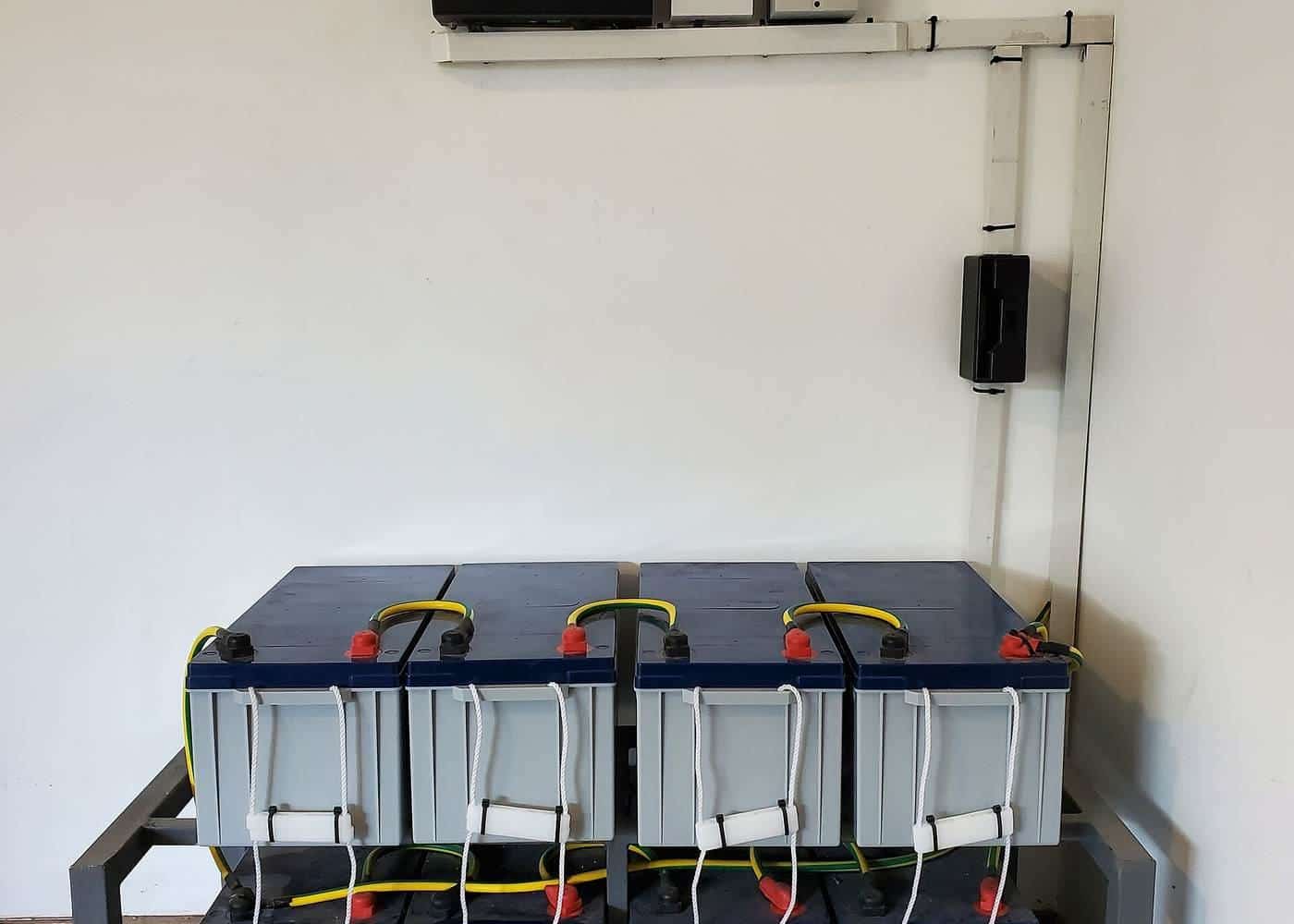
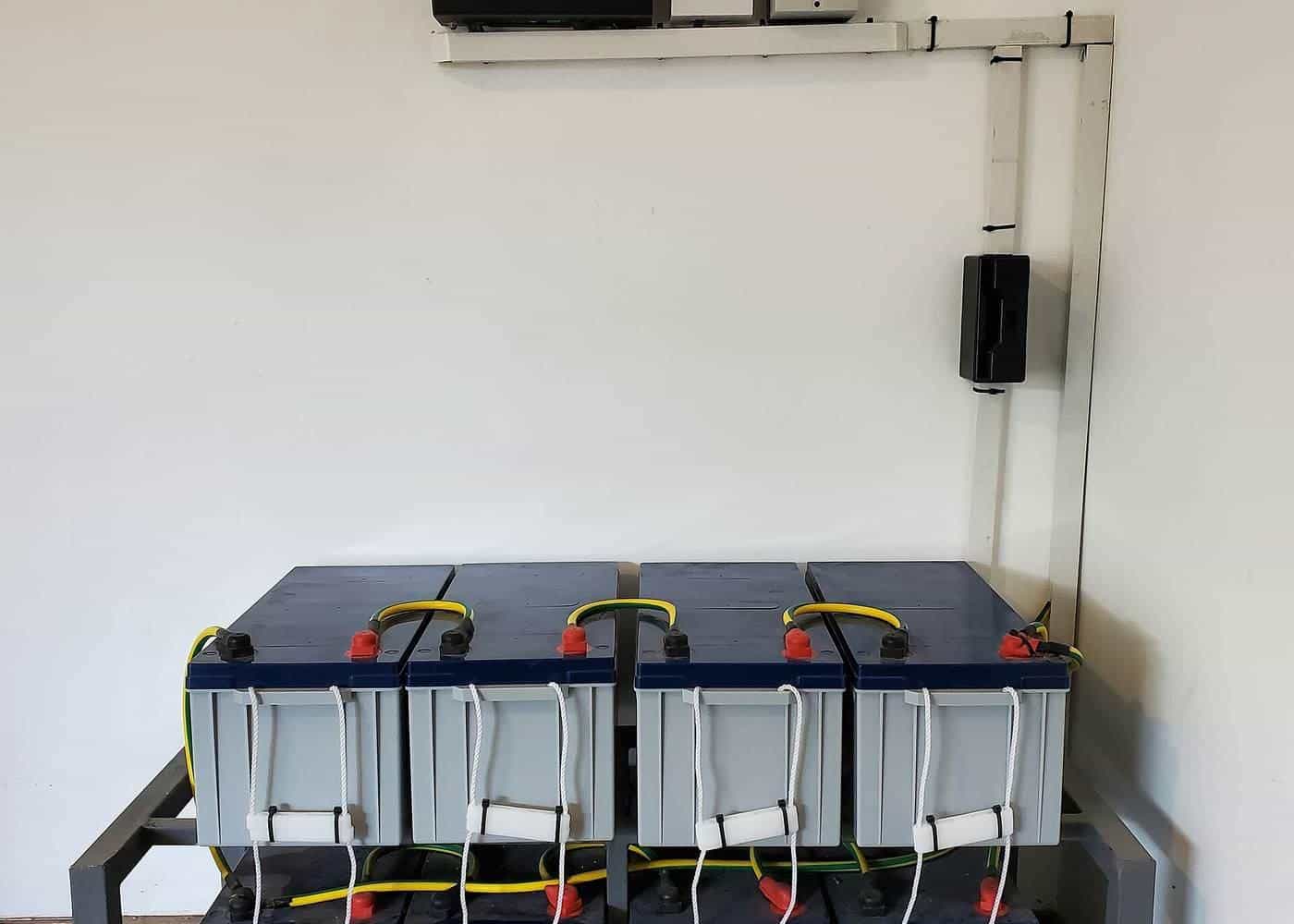
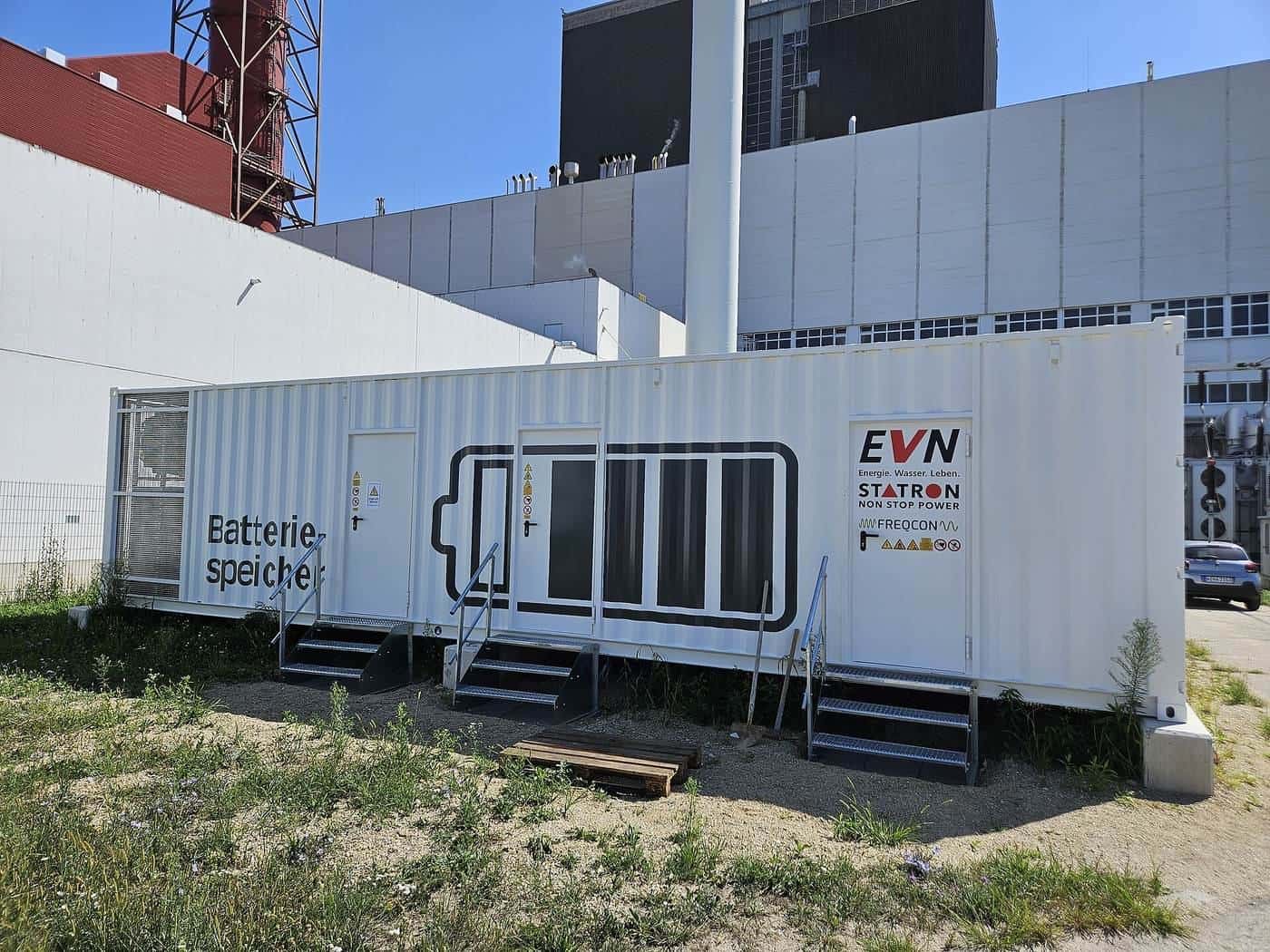
Lithium-ion batteries store a lot of energy, and Australian Standards set rules on where and how home batteries can be installed. These include keeping batteries out of habitable rooms, such as bedrooms and living areas, and away from exits, windows, ventilation openings and other hazards. Batteries may also need protection from impact, heat and direct sun. Common locations include a garage wall or a suitable outdoor wall. Your installer must follow these requirements and the manufacturer's instructions.
Is a battery worth it for you?
Whether a battery makes financial sense depends on several factors:
- Your evening usage. Households that use a lot of electricity in the evening and overnight get more value from stored solar.
- Your solar surplus. A battery needs surplus solar to fill it. A small solar system that's mostly consumed during the day may not have much left over.
- Your tariffs. The bigger the gap between what you pay for grid electricity and what you earn for exports, the more each stored kilowatt-hour is worth.
- Battery cost and life. The upfront cost after any discount, and how long the battery lasts, determine the value over its life.
- Other goals. Backup power, reducing reliance on the grid, joining a virtual power plant or managing an export limit may matter to you beyond the financial return.
We don't publish payback figures, because they depend so heavily on your circumstances and change with prices and tariffs. Ask installers for an analysis based on your actual interval data, and check their assumptions.
Sizing a battery
A battery that's too small fills quickly and runs out early in the evening. One that's too large may never fill, especially in winter, and costs more. A good starting point is your typical evening and overnight usage, compared with your typical daily solar surplus. Your interval data shows both. An installer can model different sizes using this data. Note that under the federal program, support per kilowatt-hour tapers for larger batteries, which affects the economics of very large systems.
The Cheaper Home Batteries Program
The Australian Government's Cheaper Home Batteries Program provides a discount on eligible batteries installed on or after 1 July 2025. It works through the Small-scale Renewable Energy Scheme: eligible batteries can create small-scale technology certificates (STCs) based on their usable capacity, and most households assign these to their installer in exchange for a discount on the price. The Clean Energy Regulator administers the program.
According to the department and the regulator, the program supports batteries from 5 to 100 kWh nominal capacity, with STCs for the first 50 kWh of usable capacity. Batteries must be on the Clean Energy Council's approved list and installed by a Solar Accreditation Australia accredited installer. On-grid and off-grid batteries can be eligible.
From 1 May 2026, the number of STCs per kilowatt-hour changed. It now declines every six months, and support tapers for larger batteries: the full factor applies to the first 14 kWh of usable capacity, a reduced share to capacity above 14 kWh up to 28 kWh, and a smaller share to capacity above 28 kWh up to 50 kWh. The discount depends on the installation date, not the contract date. The Clean Energy Regulator has a calculator on its website for estimating STCs. Read our guide to rebates and STCs.
Virtual power plants
A virtual power plant (VPP) links many home batteries so a retailer or other company can draw on them to support the grid at busy times. In return, you may receive credits, payments or a discount. VPPs can add value, but they also mean someone else can control your battery at times, which may reduce the energy available for your own use or backup. Read the terms carefully, including how often the battery can be used, what you're paid and how you can leave.
Battery safety and maintenance
Home batteries are designed with protection systems, but like any electrical equipment they must be installed and maintained properly. Keep the area around your battery clear, don't store flammable materials nearby, follow the manufacturer's guidance and watch your monitoring app for alerts. If you notice swelling, unusual heat, smells or noises, contact your installer.
Key points
A battery stores surplus solar for the evening and, if designed for backup, can supply power during a blackout. Compare batteries by usable capacity, power and warranty. Size the battery to your evening usage and solar surplus. The Cheaper Home Batteries Program provides an upfront discount through STCs, with support tapering for larger batteries since 1 May 2026.
Frequently asked questions
Will a battery give me power in a blackout?
Only if the system is designed for backup. Some batteries can supply selected circuits or the whole home during an outage; others shut down with the grid. Ask specifically about backup when getting quotes.
What is usable capacity?
The amount of stored energy you can actually use, in kilowatt-hours. It's what the Cheaper Home Batteries Program uses to calculate STCs, and it's the best figure for comparing batteries.
Can I add a battery to my existing solar?
Usually. You can add a battery with its own inverter (AC coupling) or replace your inverter with a hybrid inverter (DC coupling). An installer can check what suits your system.
Where can a battery be installed?
Australian Standards restrict battery locations, including keeping them out of habitable rooms and away from certain exits and hazards. Your installer must follow these rules.
Is there a government discount on batteries?
Yes. The Cheaper Home Batteries Program provides a discount on eligible batteries through STCs under the Small-scale Renewable Energy Scheme. The level of support was adjusted from 1 May 2026, and it declines over time.
What is a virtual power plant?
A program in which a company coordinates many home batteries to support the grid, usually in exchange for credits or payments. Terms vary, so read them carefully.
Sources and further reading
Facts on this page were checked against these primary and official sources. Conditions change — confirm before you travel or buy.
- Solar batteries — Clean Energy Regulator
- Cheaper Home Batteries Program — DCCEEW
- Eligibility information for the Cheaper Home Batteries Program — DCCEEW
- Solar battery installers and designers — Clean Energy Regulator
- Battery rebates are changing 1 May 2026 — Clean Energy Regulator