Installing solar changes how your electricity bill works. You buy less electricity from the grid, and you're credited for the solar you export. But the value of those exports, and how your plan prices electricity at different times, can make a big difference to your savings. Choosing the right plan, and using more of your own solar, are some of the easiest ways to get more from your system.
This guide explains how feed-in tariffs work, how to read a solar bill, how tariff structures affect solar households and how to choose a plan.
Retailers
Set most FiTs
Some regulated minimums
Self-use
Usually worth more
Than exporting
Compare
Whole plans
Not just the FiT
What is a feed-in tariff?
A feed-in tariff (FiT) is the amount your electricity retailer credits you for each kilowatt-hour of solar electricity you export to the grid. It appears as a credit on your bill. Feed-in tariffs vary between retailers and plans, and retailers can change them, so check the rate and terms when choosing a plan.
In the early days of rooftop solar, some state governments offered generous premium feed-in tariffs to encourage take-up. These schemes have closed to new customers, and the remaining legacy arrangements have mostly ended. Today, feed-in tariffs are generally much lower than the price you pay for grid electricity.
Who sets feed-in tariffs?
In most areas, retailers set their own feed-in tariffs as part of their plans. Some state regulators set minimum feed-in tariffs that retailers must offer, or publish benchmark ranges as a guide. In some regional areas served by a single government-owned retailer, rates are regulated. The rules differ by state and change over time, so check your state's energy regulator for current arrangements.
Self-use versus export
Because feed-in tariffs are usually much lower than what you pay for grid electricity, each kilowatt-hour of solar you use at home saves you more than each kilowatt-hour you export earns. This is the single most important idea for getting value from solar. The more of your solar you use yourself, the greater your savings.
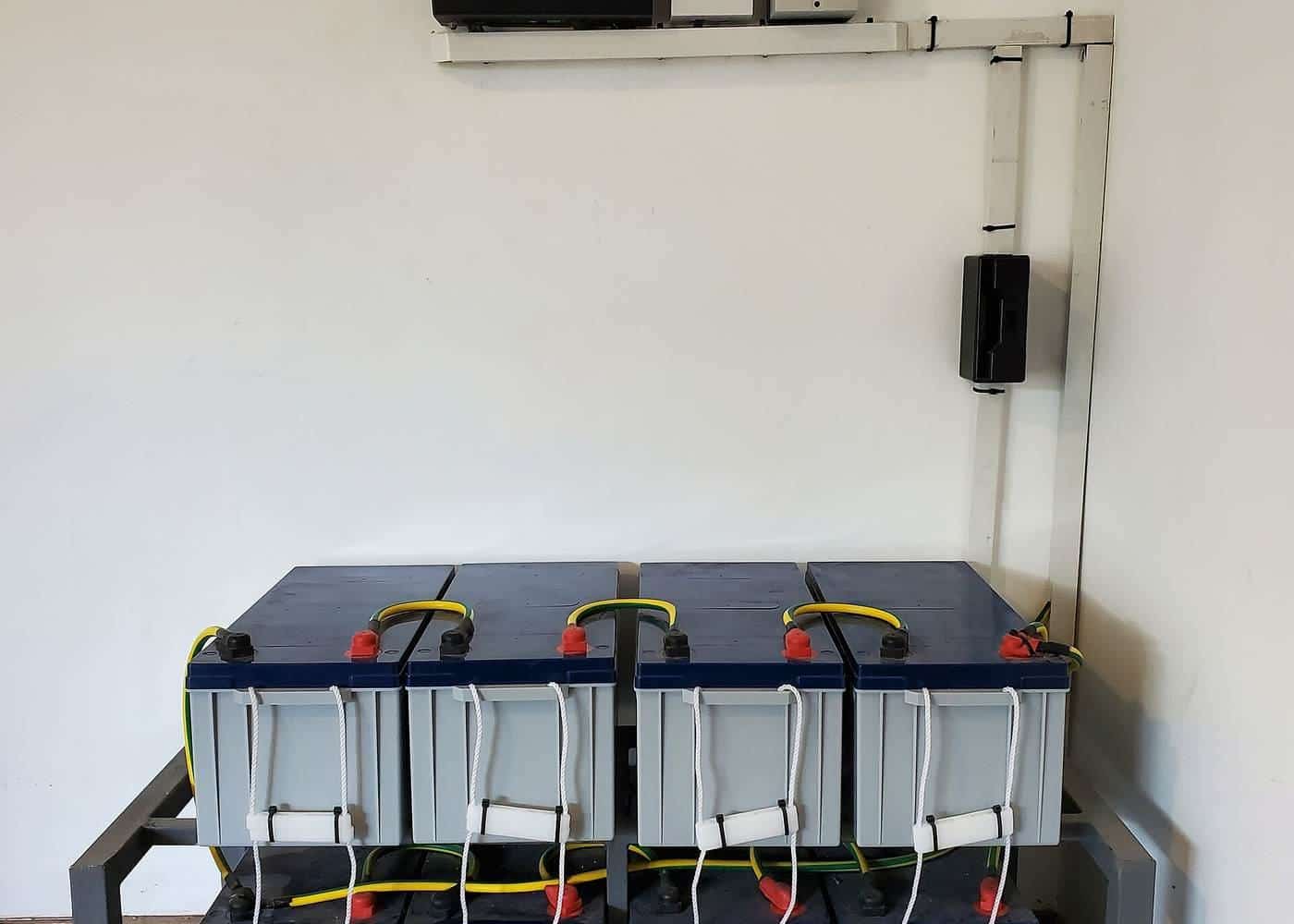
Ways to use more of your solar include running appliances on timers during the day, heating water in the middle of the day, pre-cooling or pre-heating your home, running pool pumps in daylight and charging electric vehicles during the day. A battery stores surplus for the evening.
Reading a solar bill
A typical bill for a solar home shows:
- Supply charge: a fixed daily charge for being connected, which solar doesn't reduce.
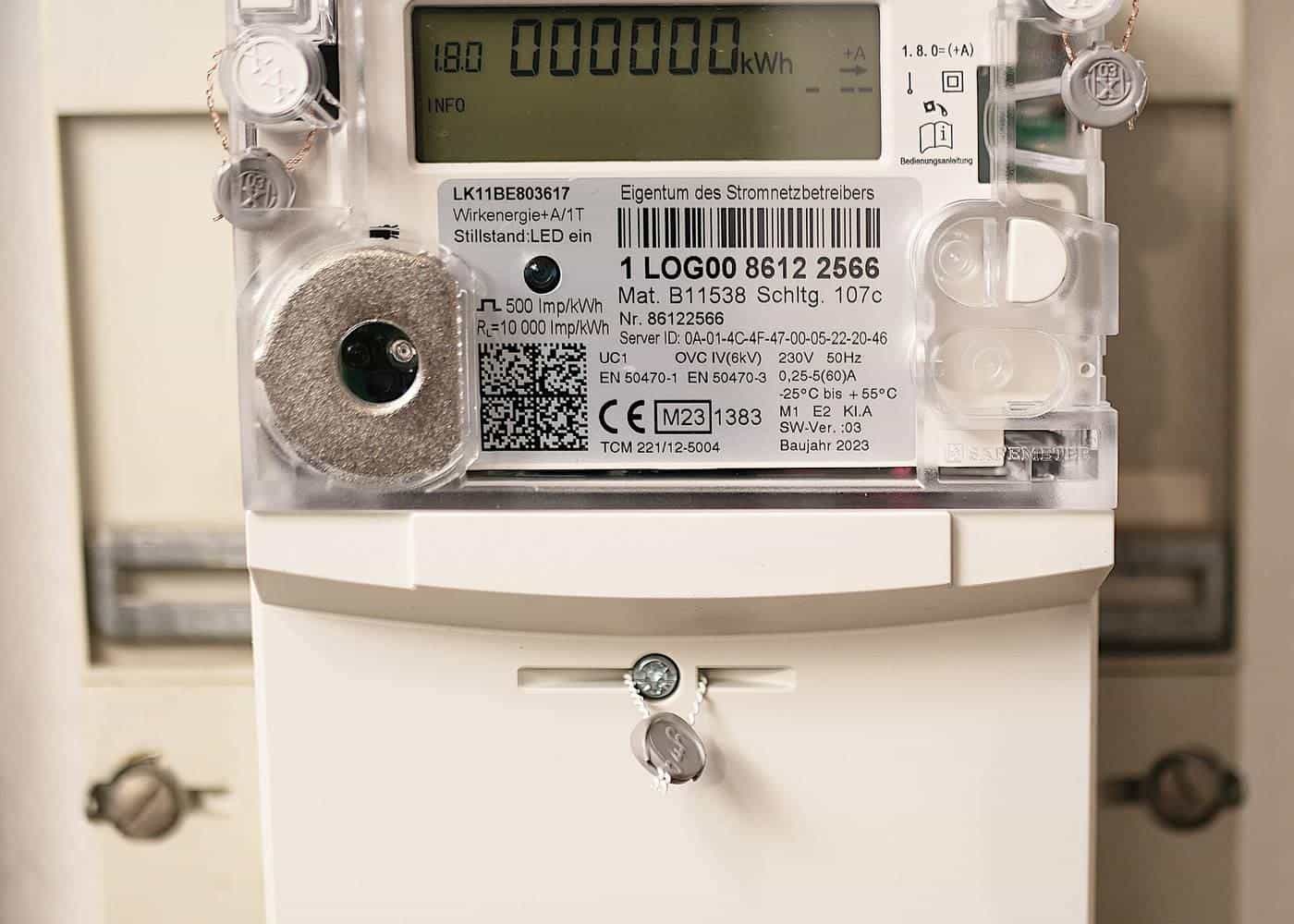
- Usage charges: what you pay for electricity imported from the grid, which may vary by time of day.
- Feed-in credit: the amount credited for exported solar.
- Other items: such as controlled-load tariffs for hot water, discounts and concessions.
Because the supply charge remains, most grid-connected solar homes still receive a bill, though it's usually smaller. In sunny months, feed-in credits may exceed usage charges.
Tariff structures
Electricity plans use different pricing structures, and the right one for a solar home depends on when you use electricity:
- Single rate (flat): the same price for electricity at any time.
- Time-of-use: different prices at peak, shoulder and off-peak times. Peak times usually fall in the late afternoon and evening, when solar output is low.
- Demand tariffs: include a charge based on your highest power use during certain periods.
- Controlled load: a separate cheaper rate for appliances such as hot water systems that run at set times.
Many distributors are moving solar homes onto time-of-use network tariffs, and retailers pass these on in different ways. Some newer plans offer very cheap or free electricity during the middle of the day, when solar floods the grid, which can suit households that can shift usage.
Two-way pricing for exports
As rooftop solar has grown, the middle of the day can see more electricity than the grid needs. Rules now allow distributors to introduce two-way pricing, in which exports may earn credits at some times and attract small charges at others, usually around the middle of the day, with a basic free export allowance. Some retailers pass this on in their plans. Check plan details for any export charges, and remember that a battery or shifting usage can reduce midday exports.
Choosing a plan
To compare plans:
- Use the government comparison site, Energy Made Easy, or Victorian Energy Compare if you live in Victoria. Both are free and independent.
- Enter your solar details, or better, upload your usage data, so the comparison reflects your imports and exports.
- Compare the whole plan, including supply charges, usage prices, feed-in tariffs, any export charges, discounts and conditions, not just the feed-in tariff.
- Check how long rates are fixed, if at all, and what happens when any discount period ends.
A plan with a high feed-in tariff may have higher usage or supply charges, so for many households a plan with cheaper usage is better overall, especially if most solar is used at home.
Plans for battery owners
If you have a battery, look at plans with large price differences between times, which let the battery save more, and consider whether a virtual power plant offer suits you. Read the terms carefully.
Reviewing your plan
Check your plan at least once a year, and after changes such as adding a battery, buying an electric vehicle or receiving a price change notice from your retailer. Retailers must notify you of price changes, and you're free to switch in most areas.
Concessions and help
Concessions and rebates for electricity bills are available for eligible households in each state and territory. If you're struggling to pay your bills, contact your retailer about its hardship program.
Plan comparison checklist
0 of 8 done
Ticks are saved in this browser only.
Solar and electric appliances
Switching from gas to efficient electric appliances, such as heat pump water heaters, reverse-cycle air conditioners and induction cooktops, can increase how much of your solar you use, particularly if you schedule them for daylight hours. Heat pump water heaters with timers are an especially effective way to store daytime solar as hot water. When comparing plans after such changes, use updated usage data, because your pattern of imports and exports will have changed.
Moving house
If you buy a home with solar, ask the seller for the system documents and check the inverter is working. You will need to set up your own electricity account and choose a plan with a feed-in tariff, as the previous owner's arrangements don't transfer automatically.
Key points
Feed-in tariffs are set mostly by retailers and are usually lower than grid prices, so solar used at home is worth more than solar exported. Compare whole plans using your own data on government comparison sites, watch for export charges and time-of-use pricing, and review your plan regularly.
Frequently asked questions
What is a feed-in tariff?
The credit your electricity retailer gives you for each kilowatt-hour of solar exported to the grid. Rates vary between retailers and plans and can change.
Who sets feed-in tariffs?
In most areas, retailers set their own feed-in tariffs. Some state regulators set minimum or benchmark rates, and some regional areas have regulated rates. Check the rules in your state.
Is a high feed-in tariff always best?
Not necessarily. Plans with high feed-in tariffs may have higher usage prices or supply charges. Compare the whole plan using your own usage and export data.
Why might I be charged for exporting?
Some network tariffs and retail plans now include small charges for exports at certain times, usually the middle of the day, alongside credits at other times. Check plan details.
How do I compare plans?
Use the government's Energy Made Easy comparison site, or Victorian Energy Compare in Victoria, and enter your solar details or upload your usage data.
Sources and further reading
Facts on this page were checked against these primary and official sources. Conditions change — confirm before you travel or buy.
- Energy Made Easy — Australian Energy Regulator
- Victorian Energy Compare — Victorian Government
- Australian Energy Regulator — AER
- Solar PV systems — Your Home, Australian Government